Last week I had a small weekend away to Vienna, Austria, as well as a small excursion to the next country over, Slovakia. Whilst in both Vienna and Bratislava I came across some sections of two museums which have been devoted to the subject of numismatics. I thought it would be a good chance to share my thoughts and experiences of both places here on my blog.
Kunsthistorisches Museum, Vienna

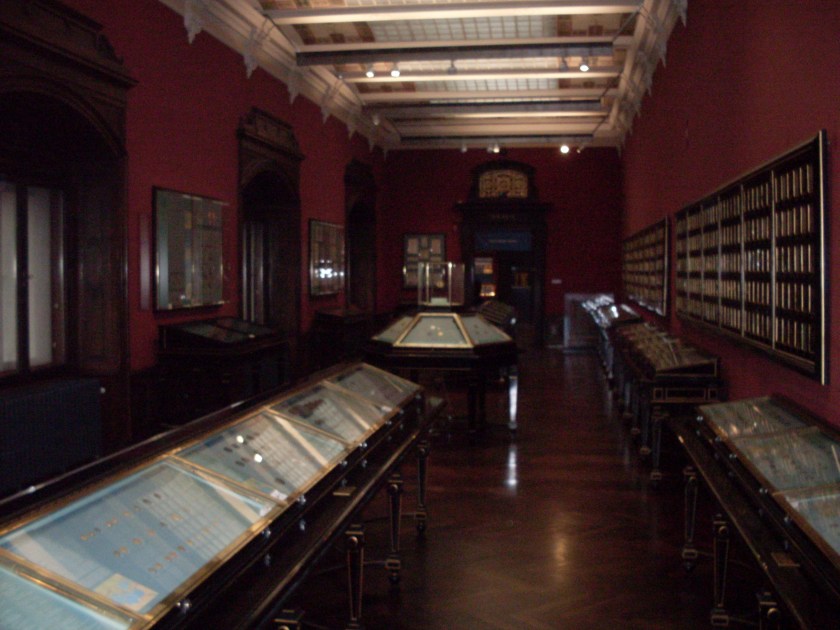
The coin galleries of the Kunsthistorisches Museum only comprise a small section of the third floor of the building, and during my visit, don’t actually command a high turnout of people wanting to see them. However, the collection itself is spread over three rooms, with the first being dedicated to medallions, and their development in Austria over time. As the picture above shows, the layout of the rooms were pretty formal, with many clear examples on display. The pictures on the wall are something unrelated to the field of numismatics, but are a collection of images which were collected by Archduke Ferdinand of Austria-Tyrol comprising of over 1000 likenesses of European notables dating from after 1579.
The collection has been one of the main displays of the museum since it was opened to the public in 1891, and it’s initial focus was exclusively on coins, medals, and orders of merit pertaining to Austria. In the early part of the twentieth century, the focus shifted and the collection cast a wider net, and sought to envision the development of coins and monetary systems as a whole, internationally, rather than just Austria. Examples of pre-monetary forms of currency on show, as well as die stamps, scales and weights, hoard vessels and so on.
It goes without saying a dearth of examples were on show in just 3 meagre rooms. With many international examples being readily available. My one true bugbear however was the descriptions near all the samples shown. I understand they are not going to print the information in a language the natives don’t speak, so my first port of call was the pamphlet in my language readily available to the side of the main entrance of the gallery. What I didn’t expect was to be carrying a hefty tome to rival even the most extensive dictionary in print today. Lugging that thing for the time it takes to explore the gallery completely is a herculean task I am not used to performing. However, in spite of carrying a book heavy enough to kill someone, the information contained within was flawless. The amount of knowledge, detail and throw-away trivia was astounding. So I must give kudos to whoever wrote it, they knew their stuff. I just wish it wasn’t so darned heavy!
Bratislava Castle
Bratislava castle is a site which has been occupied for thousands of years, so a wealth of history is ripe to be exploited from the get go, something which is well under way. The castle itself, although as a building has occupied the site for about 800 years, has undergone extensive restoration and reconstruction since 2008. This is in an effort to repair the failing and dilapidated building which once occupied the site. Much of the grandeur of the 18th century building has been restored and walking the sweeping rooms and galleries of the building imparts a simple sense of awe as you gaze out of the myriad number of windows looking at the views of the city and surround landscape. Much of the building is taken over to exploring the history of Slovakia, and Bratislava itself. One part through which we will explore is the small section of Celtic life presented in the pre-Roman part of Slovakia’s history in the castles catacombs.

Although not very large, the small section dealing with coins was very interesting. As you can see from the photo above, it is limited to a small column and a few glass cases. Behind the black screen in the back of the photo there was also a small part detailing how the ancient Celts minted the silver coins they used for trade, with some early Roman examples of coin molds being on display. This really caught my attention as I have never had a chance to see one in person before. I lament however a proper picture couldn’t be taken due to technical difficulties, and an overzealous museum guide decrying ‘No photos!’ Although sparse on any actual information (what little presented is in either Slovakian or German), there was a kind woman available to explain everything about the displays to me. It turned out, she was the main researcher for the coins found, and wrote much of the information presented in the museum. A book detailing all the information I wished to know was available written by her. A instant purchase by me if there ever was one, unfortunately, no English copy was available. In fact, in the castle shop there was a multitude of literature devoted to the field of numismatics ranging from site reports to small pamphlets, all reasonably priced too. However, all of them were in Slovakian. I did ask if there would be a chance of an English translation, but the closest clear answer I got was ‘maybe sometime in the future, but nothing is in the works right now’. A shame, as I feel a lot of the information on offer could spark further interest from further afield. Either way, I will be watching and hoping something does come along…

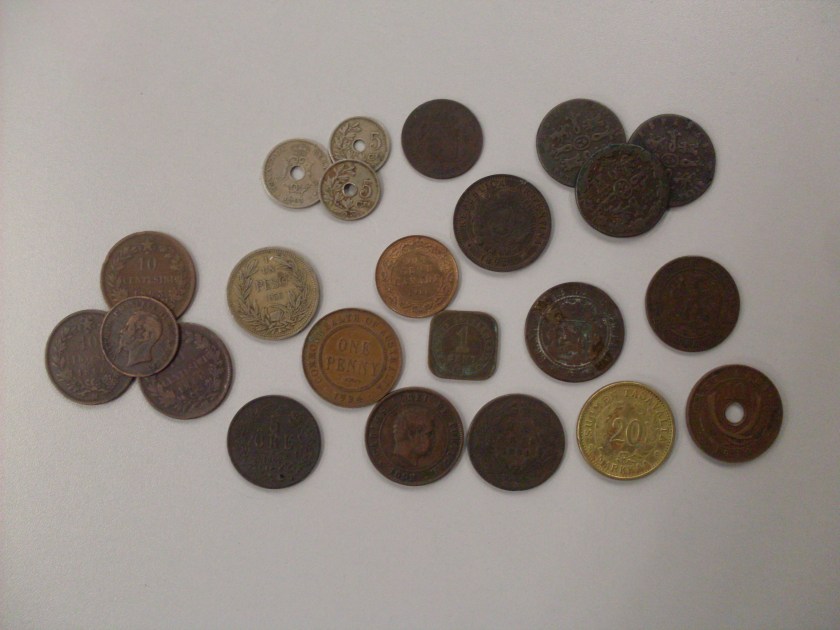

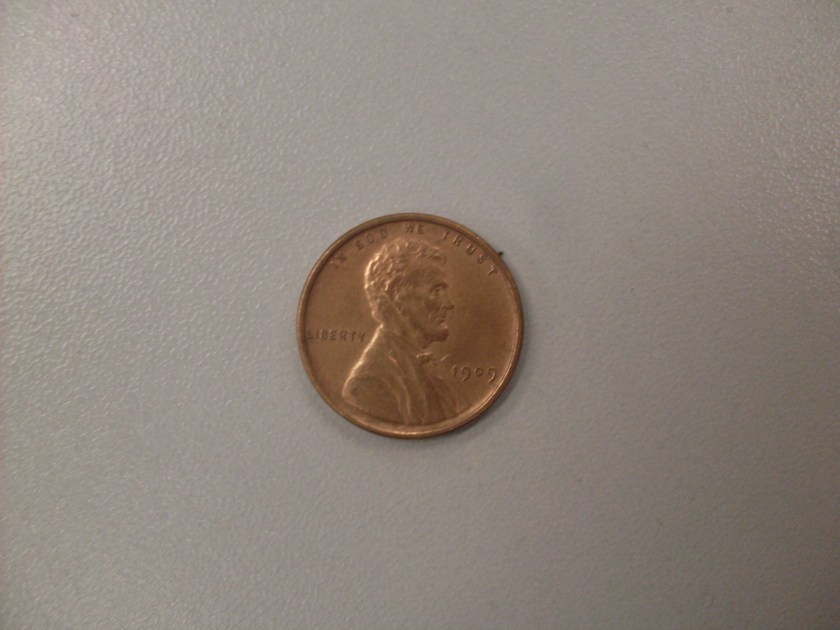
 Numismatic Exploits