This month I have added something to my collection which I have been trying to obtain for a very long time.
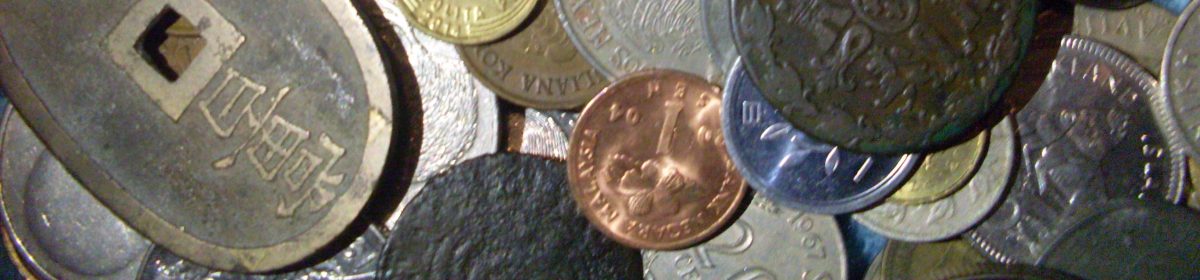
I have a personal love for coins and banknotes which are outside the normal types we often see and handle in our day to day lives. These could be from unusual shapes, size, values, or even unusual materials.
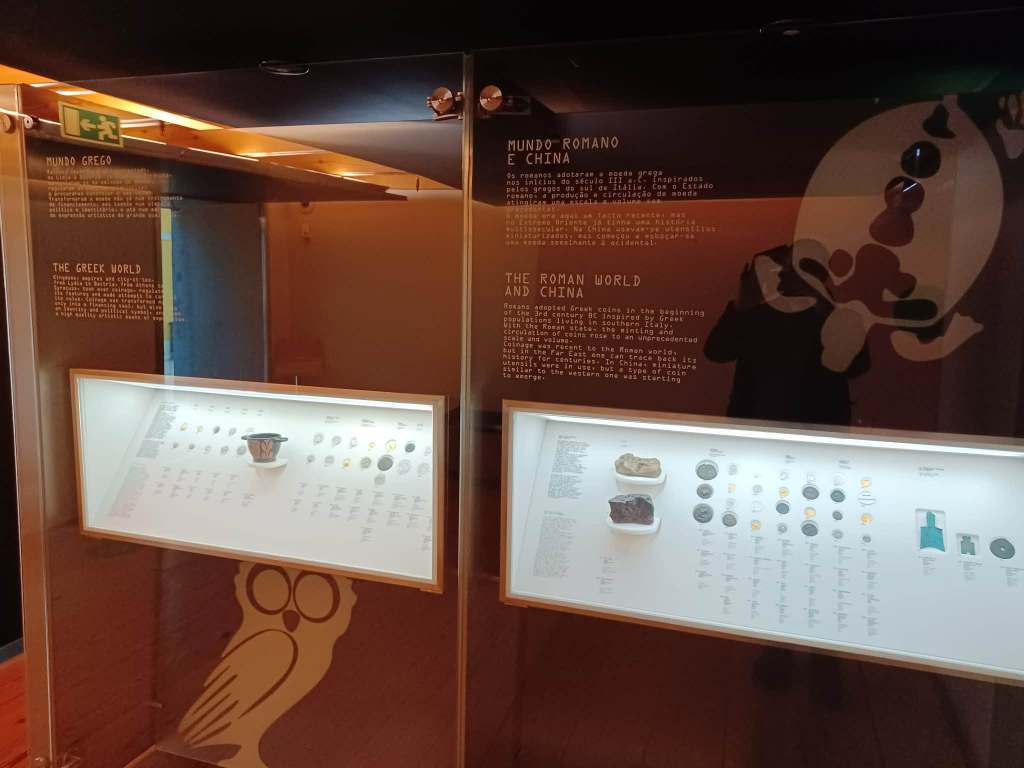
Heading back to China again this month I will be talking about the next best well known unusual coins from that country: Knife Coins.
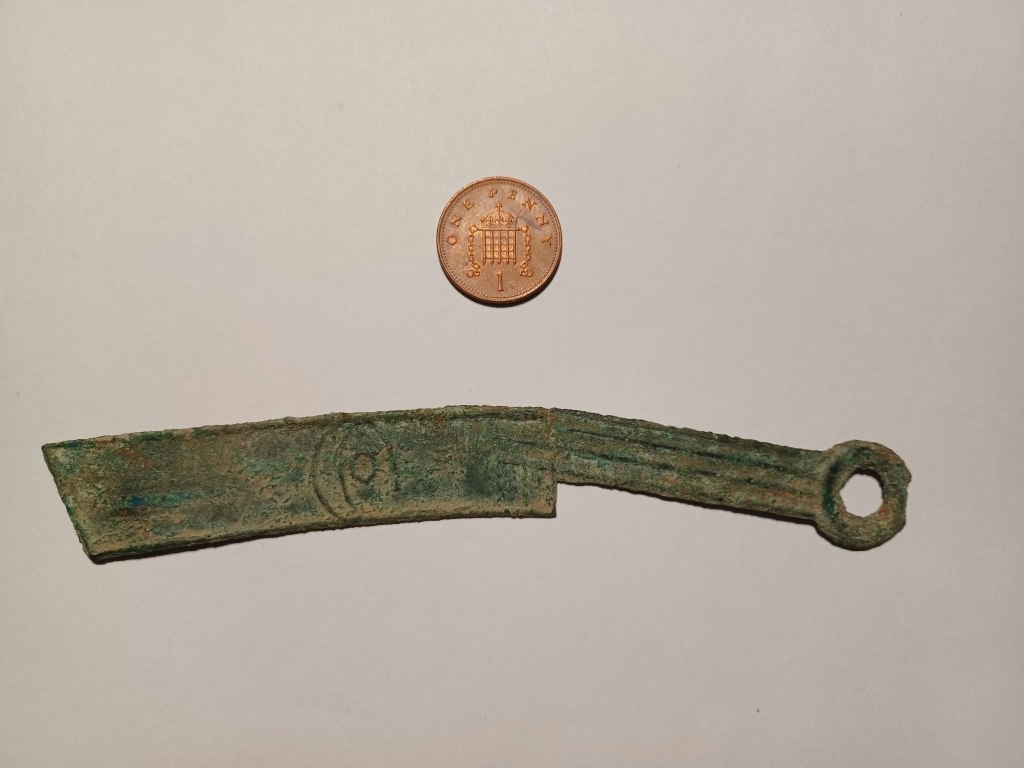
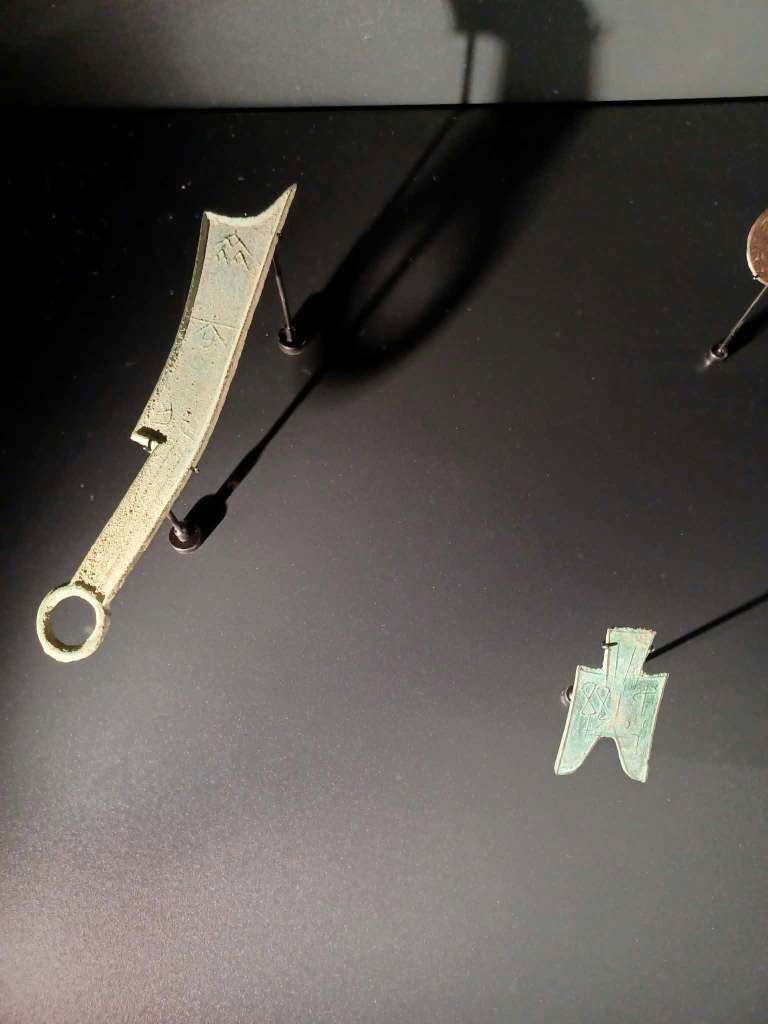
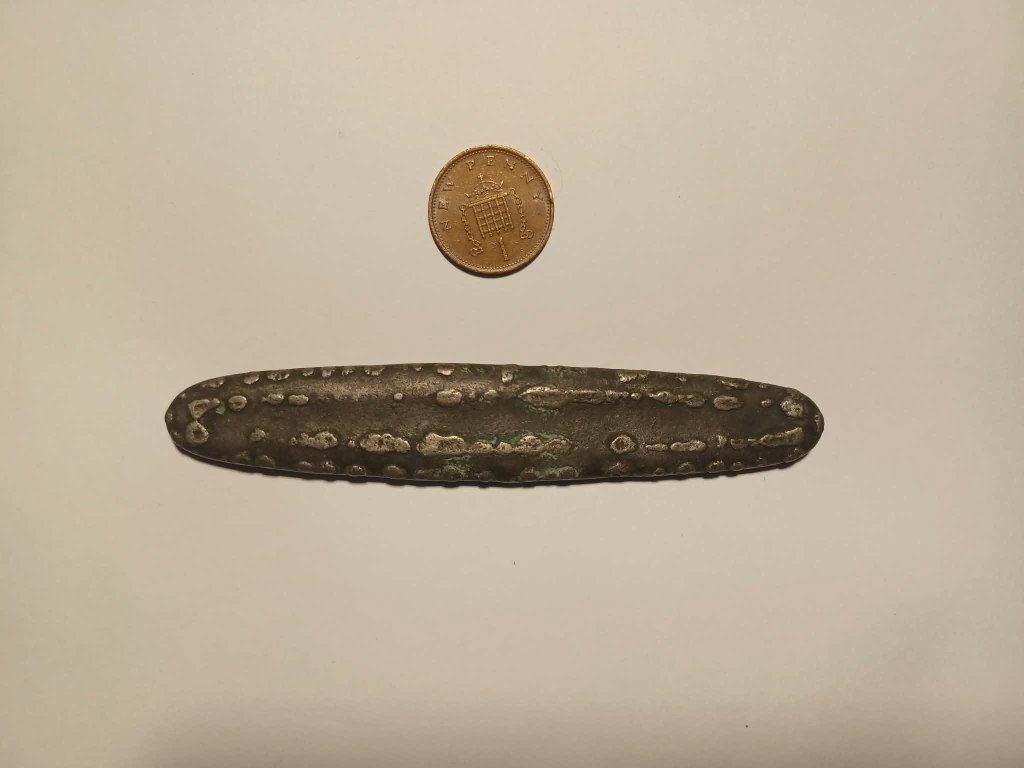
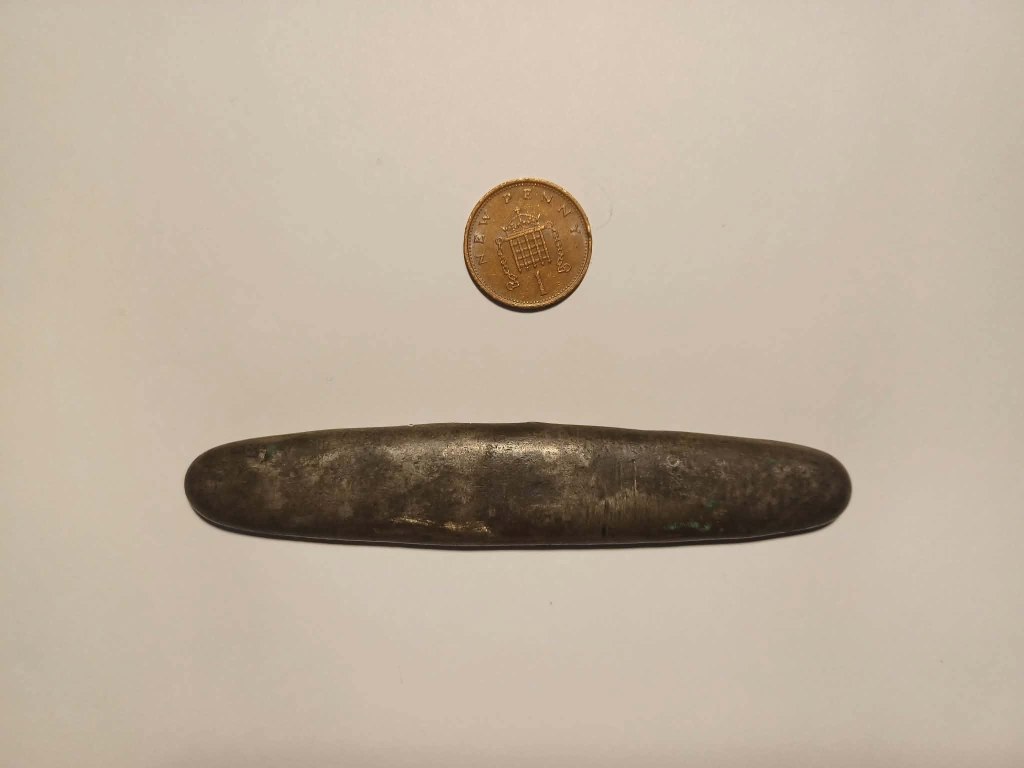
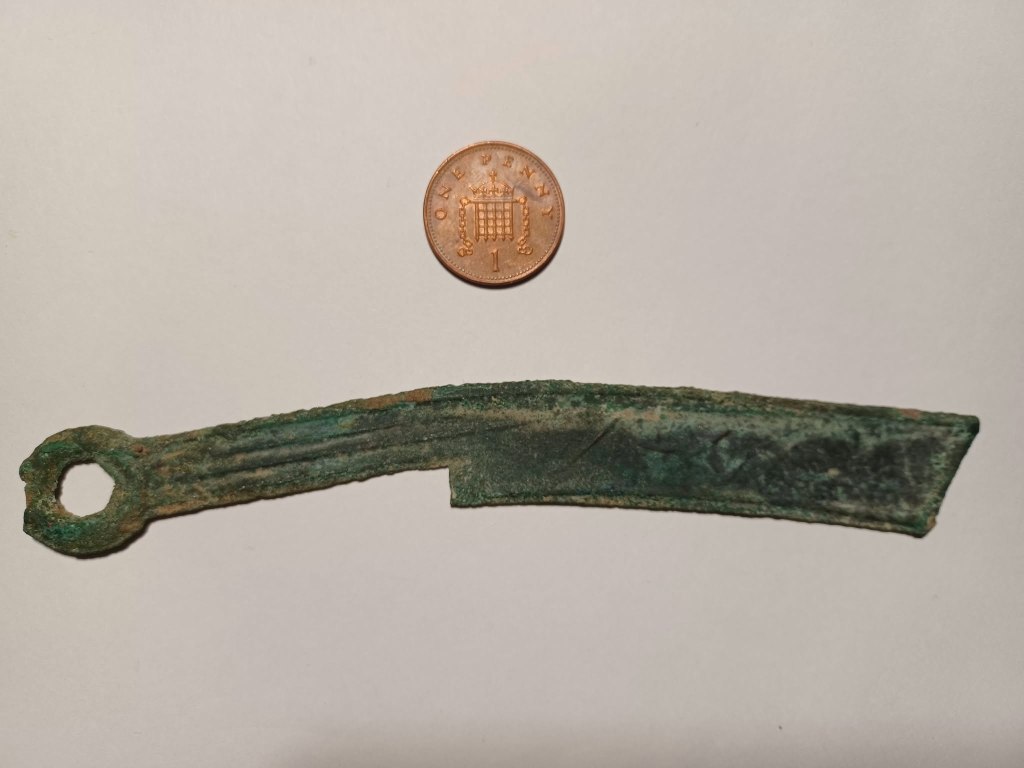
This coin dates from the Warring States period of Chinese history, one which entire textbooks have been devoted, from around 401 – 220 BC. This particular coin is from the state of Yan far in the north of China. It’s capital was Ji, which later became known as Yanjing and is now modern day Beijing.
Despite it’s use as a coin, it’s shape was very much similar to knives being used during the period and it design and use were in parallel to the well known spade coins. The piece I have collected is classified as a Ming knife due to the character displayed on the obverse. Their design and reason as to why they took on this shape is lost to history, but most knife coins were found in areas which experienced high levels of trade. The emergence of knife money met a growing need for a stable and trustworthy currency during a period of intense political and economic competition.
Their metal composition is much like many other ancient coins used at the time with about 40% of the coin being copper. The rest being various other metals to make a simple bronze alloy. The weights of each coin would vary in size, and of course value. Some of the larger coins minted in other states during this period were set based on parallel currencies, with in one instance a large knife coin from the state of Qin being able to purchase the modern equivalent of 23 litres of rice.
The Warring States period of China marks the eventual decline of the Zhou dynasty which has been ruling China at the time from around c.1046BC. Over the centuries this power would weaken to the point that by the 5th century BC, when the warring states period began, individual states would start to fight each other to increase their own political and economic influence within the Empire.
Initially there were many small states, but by the 4th century BC they had drastically reduced to just seven which were the Wei, Han, Yan, Qin, Chu, Zhao, and Qi. Between them there was almost an equilibrium of power, but eventually the state of Qin would gain an edge over the others due to the reforms spearheaded by their leader Shang Yang in the mid 4th century.
They would eventually cement their position as the strongest by 260BC when they devasted the armies of Zhao in a brutal two year military campaign. 22 years later, they would start a plan to unite the states of China, and formed initial alliances with the states of Qi and Yan to hold down the states of Wei and Chu whilst conquering the states of Han and Zhao which eventually ended in 228BC. By the end of the decade, Qin armies had invaded their former ally Yan’s territories conquering all the land and forcing their ruler to flee to the Liaodong peninsula where he was eventually defeated and captured.
At the same time, Qin forces had invaded the state of Wei and emerged victorious after flooding the capital by redirecting the Yellow river. Their armies did try to invade the state of Chu shortly after, but were defeated and pushed back. However, with a change of general, they retried two years later and managed to take the capital city.
By 222BC the only state left was Qi who had stayed out of the conflict thus far as Qin had been bribing their prime minister to persuade their king to stay out of the fighting. However, being the only state left at this time they panicked and moved their entire poorly trained army to their western borders to protect against Qin aggression. However, the Qin moved their armies through the northern borders and captured the Qi capital swiftly in 221BC.
China was now unified under the rule of the Qin, and Qin Shi Huang was crowned emperor, which marked the end of the Warring States period. This would start the very short lived Qin dynasty which would last until 202BC which would be succeeded by the Han dynasty.