So recently I had a small long weekend away to Brussels. Whilst there I managed to have a chance to visit the National bank of Belgium currency museum just on the fringes of the city centre.
On first visiting the museum, the exterior is nothing too impressive. In fact, it is quite easy to miss the entrance to the museum, as the building itself is rather nondescript. The interior however more than makes up for a seemingly grey and lifeless building.
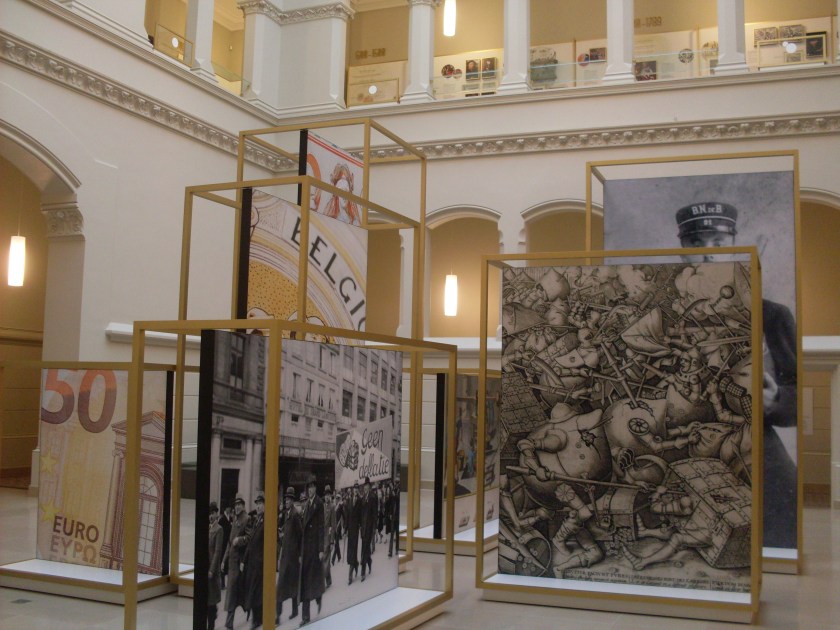
Once through the security checkpoint, you emerge out into a large hall separating both halves of the museum. On the ground floor, you are taken through the history of coinage in Belgium, with a look at combating counterfeiting and how Belgian bankers fought to keep inflation in check during the late 19th and early 20th centuries. It also explores the creation of the Belgian currency during the early parts of the 19th century, as the modern nation state as we now know it did not exist until 1830. Alongside this exploration, a section is also devoted to the Euro (which Belgium adopted in 2002), which shows all the security measures featured on the current banknotes in circulation.
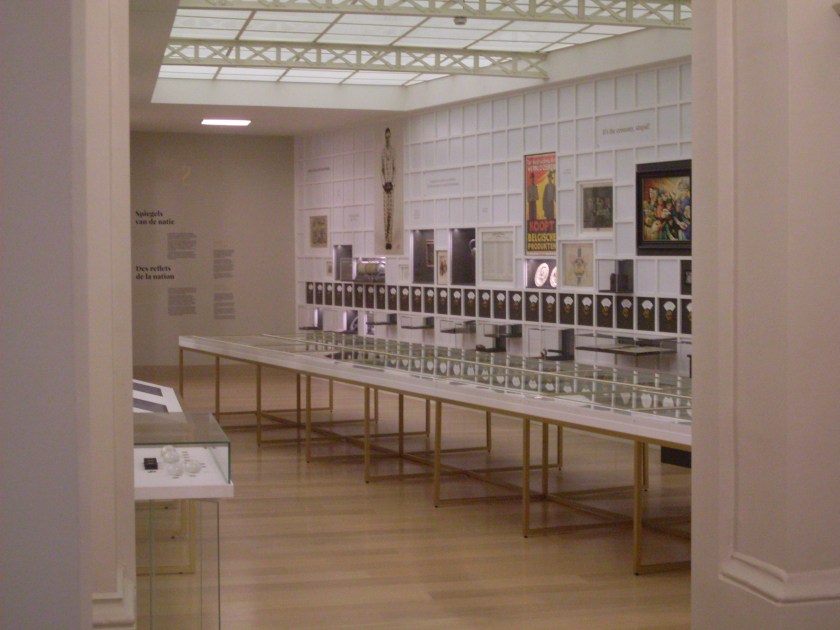
On the second floor, you are taken through a timeline of all the coins used throughout the region which would become Belgium from antiquity until modern times. Detailed explanations, and the history of the period is given throughout in French, German, and English. A small area is also dedicated to what I like to class as ‘funny money’, or items which have been used as coins but really don’t fit into how we traditionally see them. These ranged from Native American shells, Chinese tea bricks, Swedish copper plates, bronze cannons from Brunei, and the infamous large stones from the islands of Yap.


Overall the museum was very good. It certainly ranks amongst the top of all the numismatic museums I have visited so far. What certainly puts it out ahead of some of the other museums I have visited would be the fact that information presented was translated into multiple languages so nothing was lost to any visitors regardless of triviality. Despite the fact other museums have had much more items on display. The fact this museum was also free to enter was simply just icing on the cake.
 Numismatic Exploits