Day 3

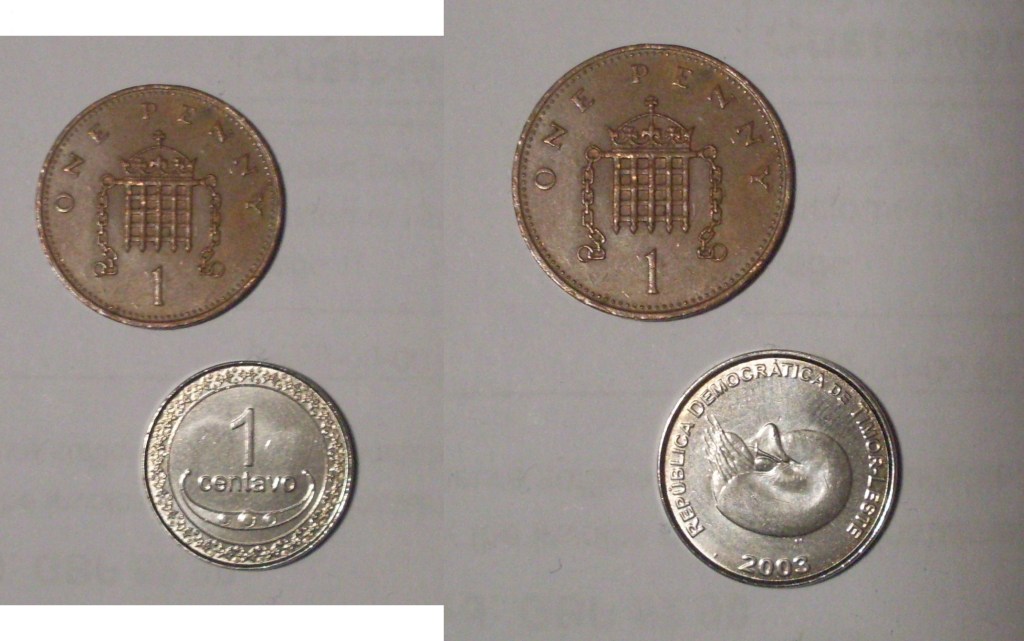
It is the third day of our advent countdown and the coin behind the door today was a centavo coin from the Asian nation of Timor-Leste.
Timor-Leste (formerly known as East Timor) is a relatively new country in the world gaining it’s independence in 2002 from Indonesia and becoming the worlds first sovereign state of the 21st century. Originally colonised by Portugal in the 16th century it was known as Portuguese Timor until it declared it’s independence from Portugal in 1975. Nine days after this declaration, Indonesian troops invaded the territory and declared it to be the new 27th province of Indonesia. The next 20 years would be characterised by violence between those who wanted independence and the Indonesian government, until through work conducted by the UN sponsored act of self-determination the situation was de-escalated in 1999.

On the obverse of the coin itself is an image of a nautilus. A marine creature often indigenous to the Indo-Pacific seas which Timor-Leste finds itself in. On the Reverse, below the value of the coin, is a representation of a Kaibuk. A Kaibuk is a type of head dress native to those who are indigenous to the islands of Timor and traditionally made from solid silver. It shape is to represent the horns of the water buffalo, an animal important to the daily lives of those who live on the islands. The buffalo horns is often used as a symbol by the people of Timor-Leste as they represent strength, security, and protection.

Finally, around the edge of the reverse is a pattern bordering the coins value and the Kaibuk. This pattern is called Tais and is a traditional design used in weavings throughout the Timor islands, and is seen as an essential part of the peoples cultural heritage. It is used from ceremonial garments, signs of respect, and appreciation towards guests, family, and friends. The Catholic Church within Timor-Leste has adopted the use of the pattern within religious ceremonies on the islands, as Timor-Leste is one of only two Christian majority countries in Asia. The other being the Philippines.

Day 2

Behind door number 2 today was a small coin from the central American country of Belize.

A 1 cent coin dating from 2010, it is the lowest denomination coin that Belize circulates. Struck in aluminium, it features a portrait of Queen Elizabeth on the obverse, and the denomination on the reverse. There was a small presentation set which was struck by the Franklin mint in the US which replaces the bust of Elizabeth with the coat of arms of Belize. These coins however never entered circulation and were primarily made for the US collector market.

Formerly known as British Honduras, Belize would change it’s name and gain independence in 1981. Many of it’s coins are still struck by the Royal Mint and still retain the shape and design on it’s coins which were present when it was known as British Honduras.

Calendar Run 2020

So I am sure for everybody reading this post can agree, 2020 has been a difficult year for many. To lighten the mood as to what will be the final month of this year and as a personal treat for myself I decided to purchase an advent calendar. A coin company which goes by the name of the London Mint Office (https://www.londonmintoffice.org/) releases a coin calendar each year and this year I decided to take the bait and buy one.

Each day of the calendar you receive a different coin sourced from all over the world. Now personally I don’t expect any of the coins to hold any magnificent value. I think it is just the novelty of it you pay for. So for the next 24 days, leading up to Christmas, I will share which coins I will get from the calendar.

Since it is also the 1st today, I guess I better get started!

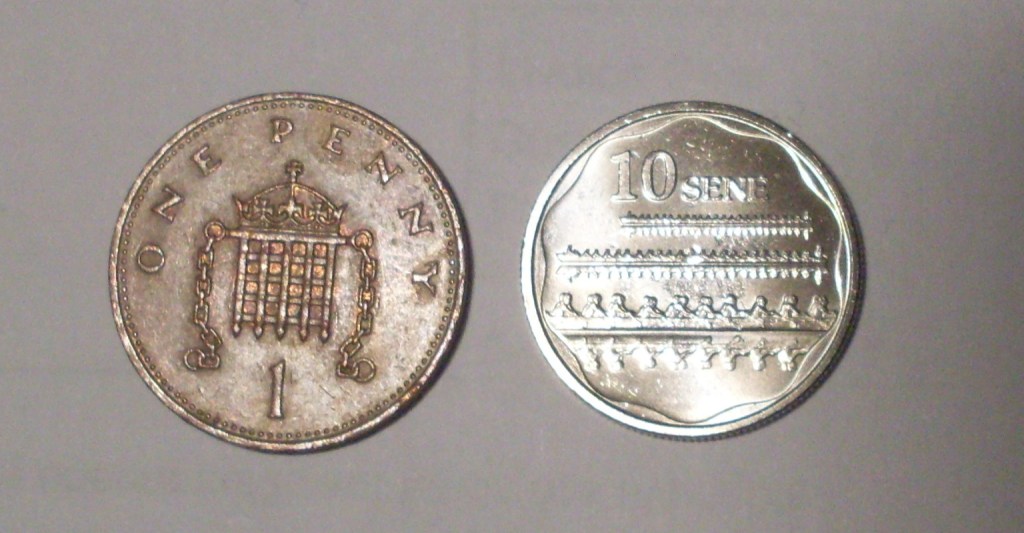
The first coin out of the calendar is a 10 sene coin from the small Pacific island country of Samoa. Dating from 2011 it is a single issue coin which was part of a five coin set to celebrate the history and culture of Samoa. On the 10 sene coin there is a representation of the Fautasi boat race which takes place every June as part of Samoa’s independence day celebrations. Fautasi (meaning “to build as one”) boat racing acts as a cultural connection between American Samoa and the other Samoan islands, and the boat design itself can trace it’s origins back to 1895. Although since it’s original inception, it’s functions from warboats and passenger vessels have slowly disappeared over the years due to government regulations and the adoption of motorised vessels.

Each Fautasi boat are around 30 metres in length and are traditionally carved from the whole trunks of trees. Each boat has a captain, and a coxswain beats a tempo with a drum in order to keep the rowers in sync. Typically each boat would have around 50 crew.