Another month and another new coin to add to my collection. March, this time, sees an addition from my own country. A small silver coin from the 14th century.

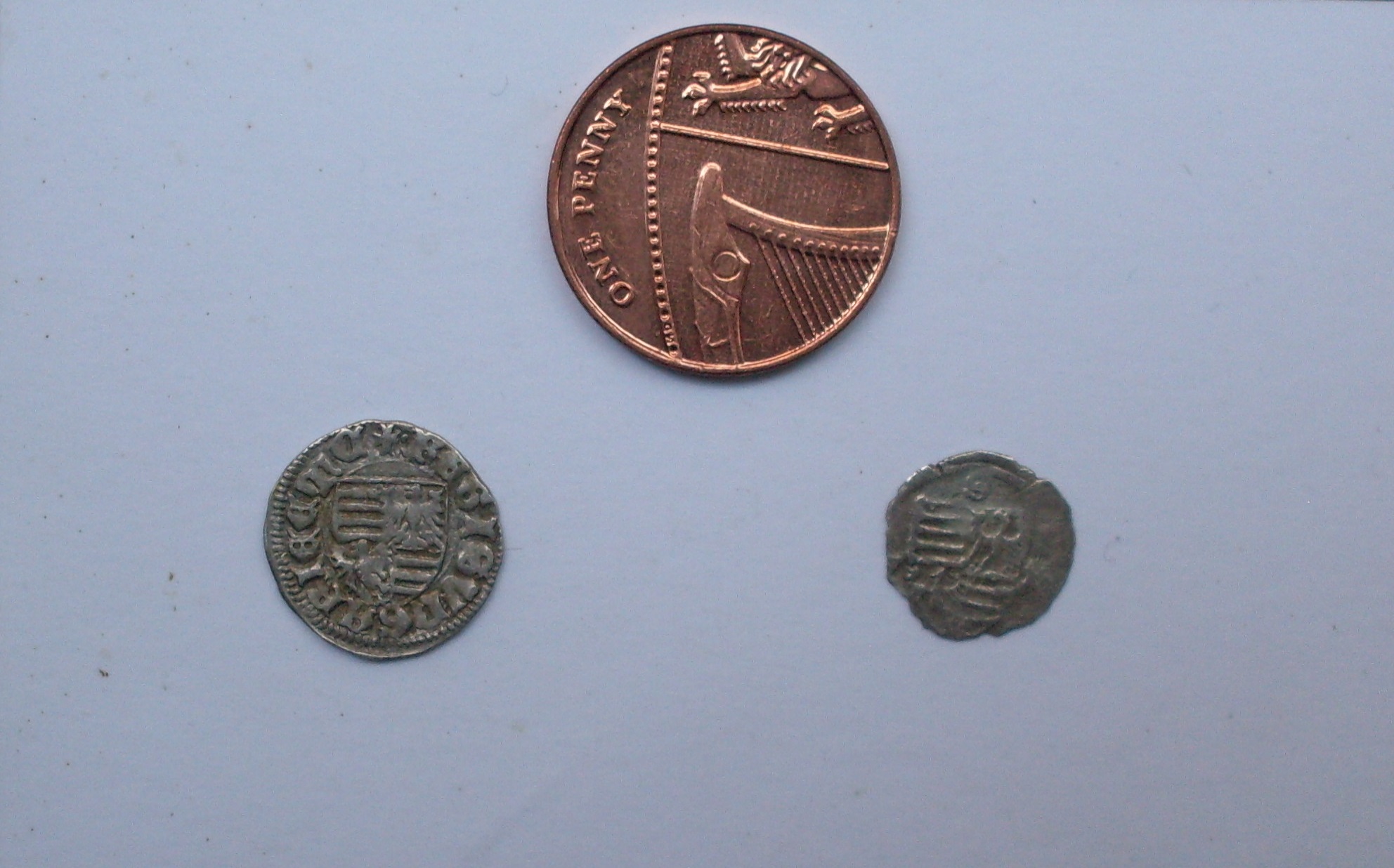
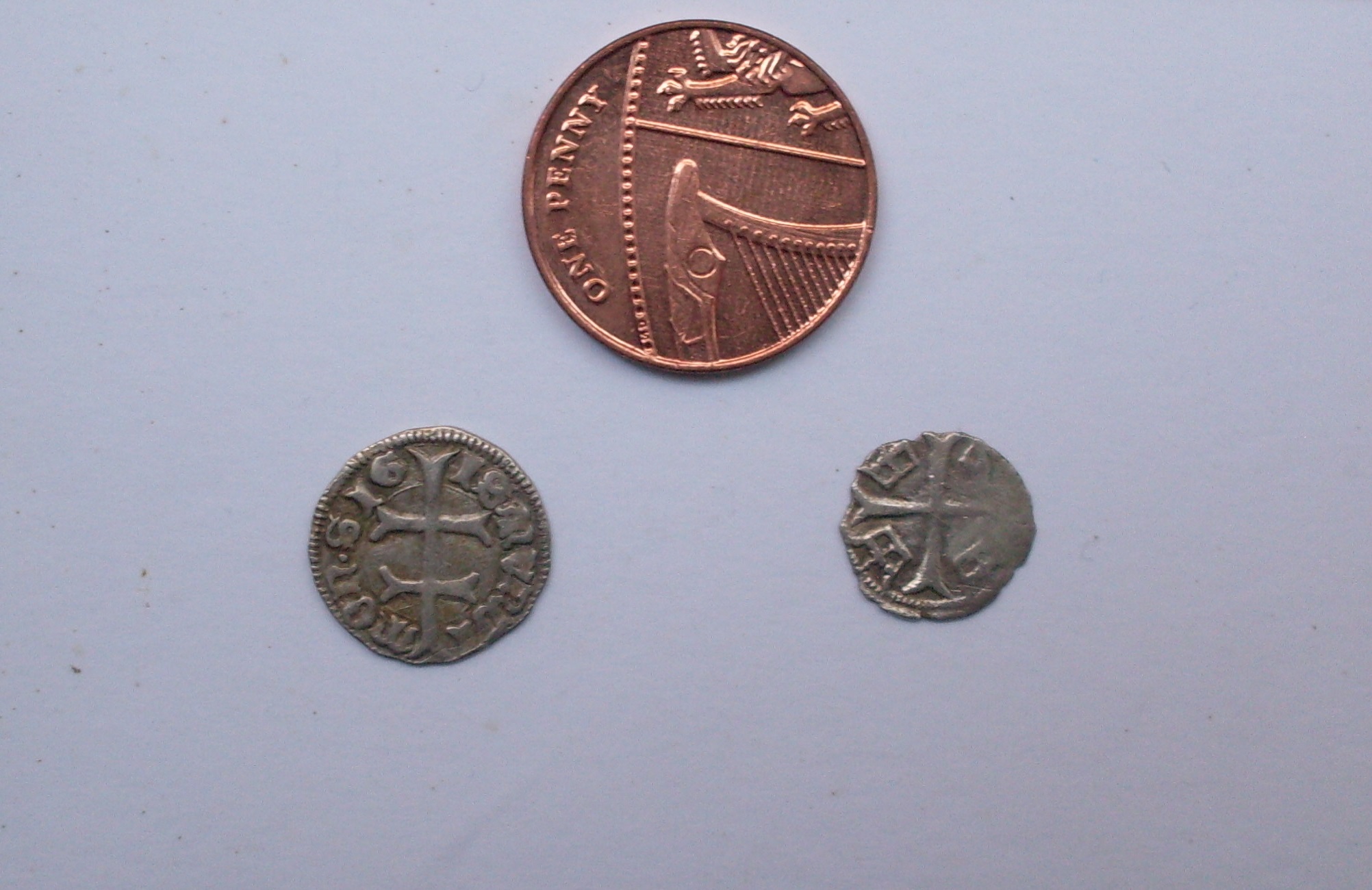
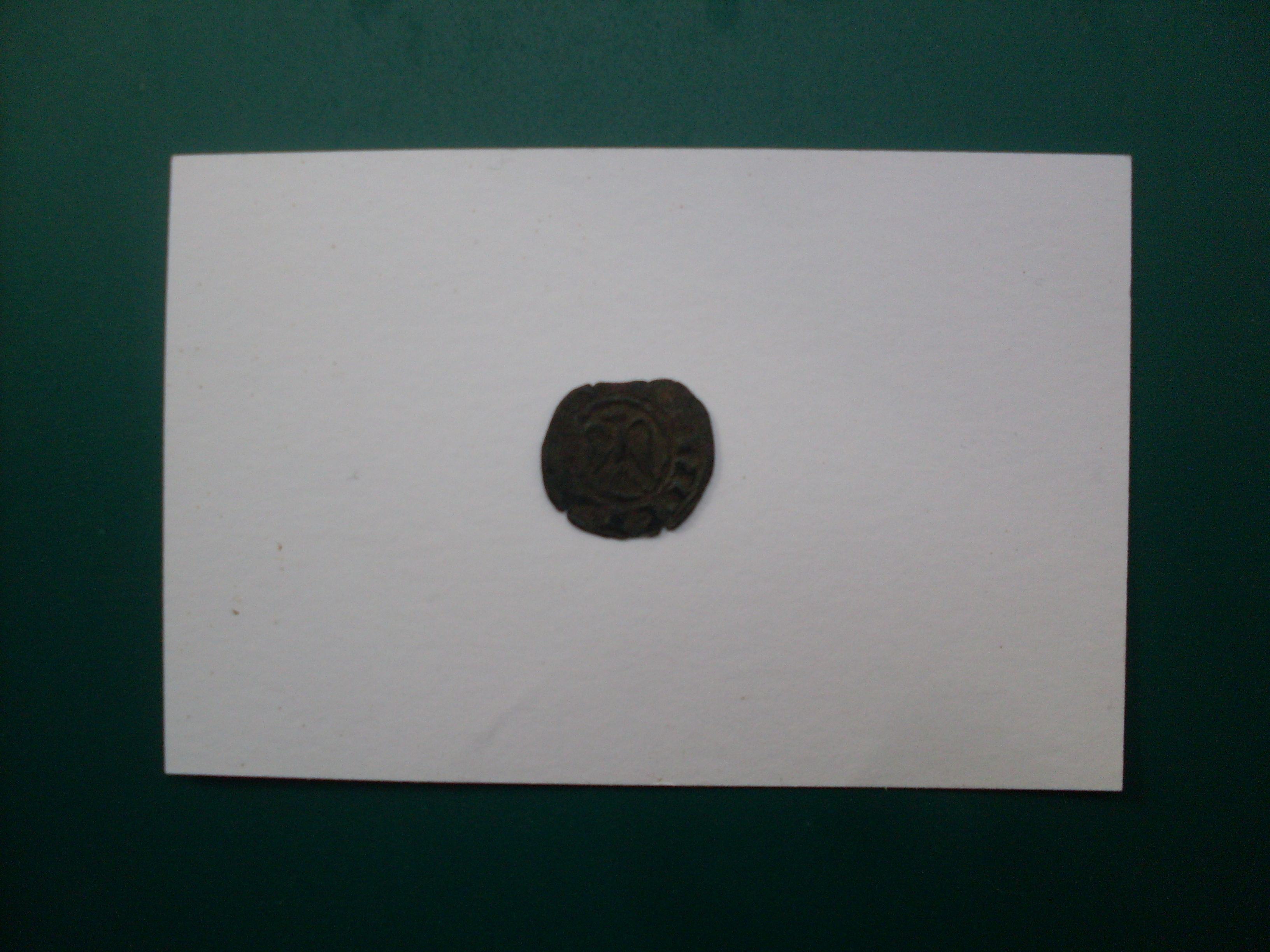
The coin is quite small, measuring just 14mm in diameter and o.5mm thick. A halfpenny from the reign of Edward III. On the obverse is a forward facing bust of Edward with the legend EDWARDUS REX surrounding it. On the reverse is a long cross with three pellets in each quarter. The legend surrounding the cross says CIVITAS LONDON, which denotes that the coin itself was struck at the mint in London.

As there is no date on the coin, it will have be assumed to have been minted sometime during his reign of 1327-77. A reign which was seen as relatively stable compared to the chaotic and unorthodox reign of his father Edward II.
Edward’s reign is notable for several significant military events. The first, which led to the others, was the start of the series of conflicts which would eventually be known as the Hundred Years War, starting in 1337 and lasting until 1453. During Edward’s reign this conflict would lead to two English victories against the French which would pass into national legend. The battles of Crecy, and Poitiers, and siege and capture of Calais would lead to a favourable outcome for England in the first phase of the war and eventually led to the Treaty of Bretigny in 1360. The treaty gave England large territorial gains in France, whilst Edward would renounce the English claim to the French throne. The treaty would break down by 1369, and France would declare war against England once again.
Domestically, Edwards reign would also see the first wave of the Black Death to hit England in 1348. This would eventually kill off 40-60% of England’s population at the time. It would slow down and disappear by December 1349, but would return again in the 1360’s causing another 20% of the population to fall victim. The Black Death would again return in intermittent phases throughout the 14th and 15th centuries on a local or national scale. The effects would be less severe than the first few waves, and the last recorded outbreak was the Great Plague of London 1665-66. This would be ended with the events of the Great Fire in 1666.

 Numismatic Exploits