Ashmolean Museum

This week, to celebrate my birthday, I spent it this year in Oxford. Whilst there I got a chance to visit the Ashmolean museum, which has been on my to do list for a while now since I graduated from university. As well as seeing some Anglo-Saxon artefacts I have been wanting to see since my days of study, I also got the chance to visit the museum’s coin gallery.
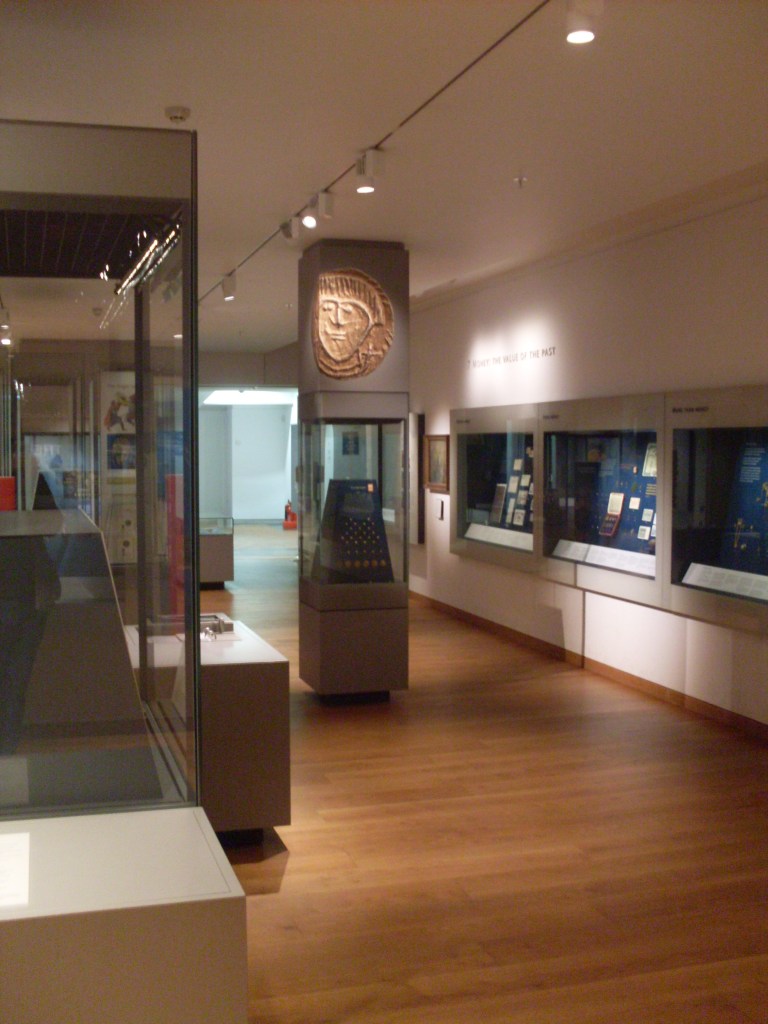
The coin gallery of the museum was not particularly large, encompassing a small hallway about 20 metres long. Similar to one of the rooms in the Kunsthistoriche Museum I visited in Vienna back in 2017.

Along one side of the hall there was a series of displays explaining the different types of coins and the evolution of coinage throughout history. Ranging from the weird and wonderful shaped coins from the early history of China, to modern banknotes and the eventual digitisation of currency.
Within the displays there was also examples of non-conformal types of currency, such as the infamous stone rings from the Isle of Yap to bundles of cloth from Nigeria. There was also a brief mention of fiat currencies which have been used by countries during periods of hyperinflation and the extreme devaluation of the national currency. Germany was the main example used here.

On the opposite side of the hall was a running timeline of coins throughout history showing multiple examples of pieces from different periods. Of course with a heavy focus on the British Isles.
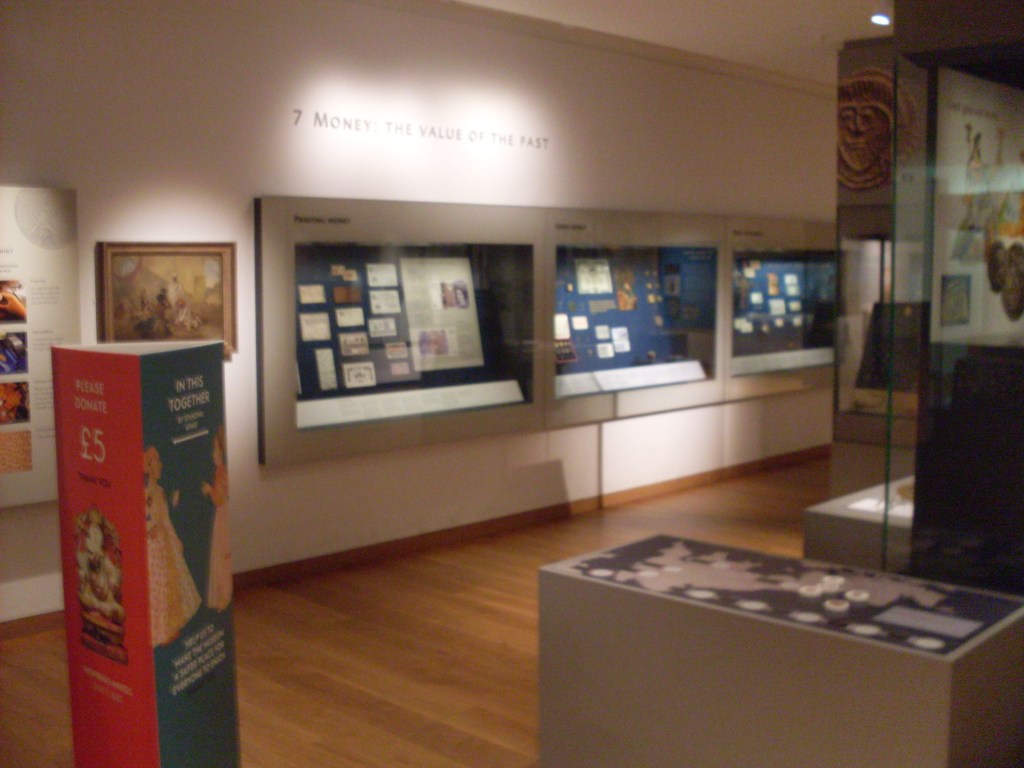
Along the centre were multiple display cabinets showing influential coins and hoards found throughout the British Isles. These varied from parts of the Cuerdale Hoard (the majority of which is in the British Museum in London) to gold galleons from the reign of Henry VIII.
There was also interactive exhibits showing a variety of topics such as where coins have been minted, how they are designed and made, to games that were often played in the past here in the UK (see picture below).

Overall, the coin hall of the Ashmolean was not the worst I have seen, but was far from the best. I understand that the main aim of the museum is a broader depth of history rather than just coins. So of course it would fall far short of those presented by the likes of the museums I visited in Tokyo, Frankfurt, Brussels, etc which were run and operated by the country’s central bank. However, on the scale it has presented the information seem more involved and described that what I have seen in Vienna, Helsinki, and London.
Although not something I would suggest you would go out of your way to visit. It makes a nice small addition to the rest of the museum if you ever find yourself in Oxford. Furthermore, the Ashmolean is free to enter which makes the option to visit even more enticing.
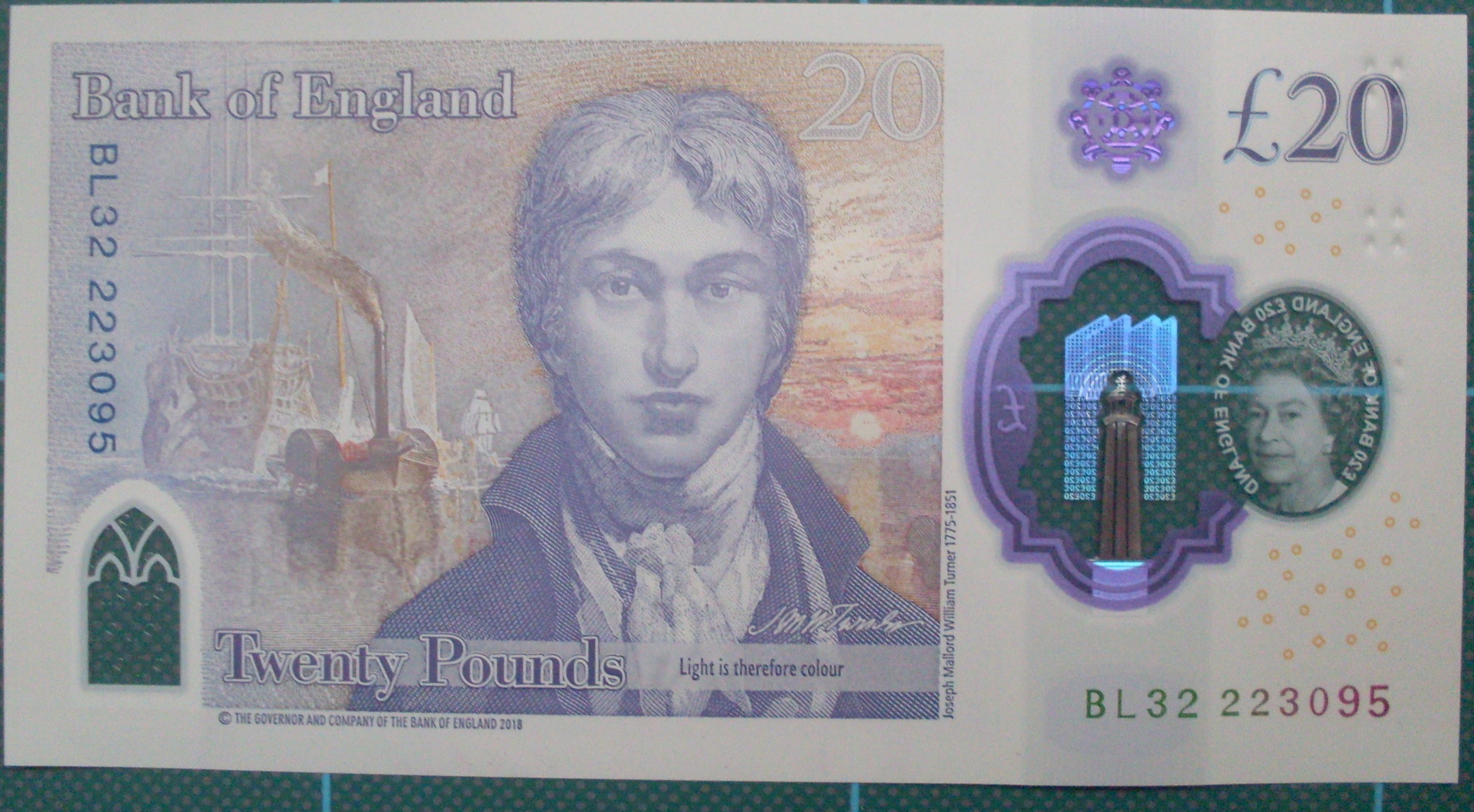
A note Turner

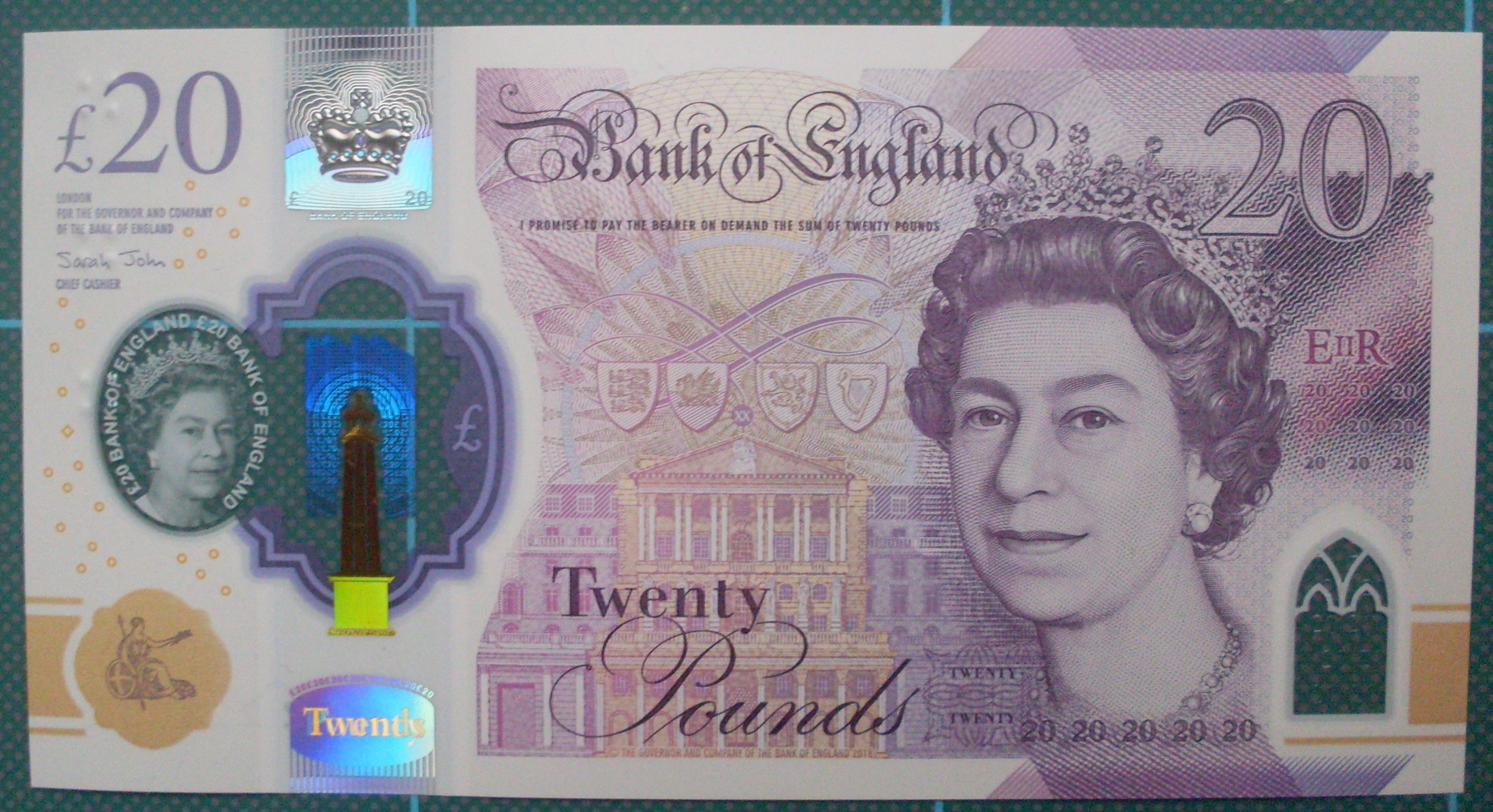
So despite being released a few weeks ago, I have finally managed to procure one of the new £20 notes (which I haven’t immediately needed to spend) which have been released here in the UK.

As mentioned back in a post several years ago when the new £10 note was released, Adam Smith who features on the old £20 note (since 2007), is replaced by one of the UK’s most forefront artists, JMW Turner.

SDC13388

SDC13389

New Year, New Decade

2020 is now upon us, and this being my first post of the year, and the first post of the decade I have decided to start off with another first.  For Christmas a family member bought me a coin as a present, a novelty item, but something which I can say is unique (for now).


Roughly about the same size as a £1 coin, I got a copy of the world’s first silver sovereign.  Minted by the Royal Mint for Gibraltar this coin is limited to a strike of only 100,000 and is composed entire of pure silver.  Now I am sure in the future many more of these will be minted, and the novelty of a silver sovereign will quickly wear off.  But I can say at least I have one of the very first batch that has been minted.

So what about my intentions for the new year?  Since it is a fresh year and a new decade I have decided to focus my efforts on areas of numismatics I know very little about.  The coins of Asia and the Middle East I will have to admit I have very cursory knowledge of, as for Africa I can say my knowledge would be equivalent to the average man on the street.  So this year I have decided to try and obtain and learn about coins from these areas of the world.  A departure from Europe and N. America for a change.
I will however attempt to obtain more ancient coins as it is always an interest to learn something interesting from over a thousand years ago.  There is also a quirk of holding something used and made by people who lived during that time.  A weird disconnect for want of better words.

Finally, I will always try and seek out further unusual coins and numismatic materials.  My love for what I like to term as ‘Funny money’ hasn’t diminished (such as the ancient Greek dolphin coins, or German notgeld).  Despite my aims to focus on new areas of the globe.  Perhaps I can marry the two objectives, I would love to add more Chinese spade coins to my collection, let alone dagger or money trees.  There are also the outlandish currency of the Pacific islands which may be a challenge and worthy goal to try and get.  Either way, it is still January, so I still have an entire year to discover and explore new areas of numismatics.

A New Year and a Collection Update

So it is now the end of January 2019, and I honestly can’t believe I have still managed to keep updating with this blog (I thought I would get bored after the first year).  I am now entering my third year of writing, and despite missing a few months, I feel I can keep going for many years more.

So what did I learn last year in regards to numismatics?  Honestly, I feel I learnt more about different country’s histories more than the hobby itself.  But the one major thing which has stuck with me was during my trip to Japan early in 2018.  Discovering Hansatsu notes was a novelty in itself and I felt an instant interest due to my love of unusual forms of currency (as can be seen about my post a few years ago in regards to German Notgeld).  Furthermore, as was seen in the series of posts I made about that trip, I was actually able to procure one for my collection.  Which I will happily admit is now sitting pride of place amongst other unusual items from my collection in a glass cabinet.  Hopefully this year I will be able to match it with something equally unusual and interesting.

Now despite not updating the blog at the end of December (Christmas got all my budgetary attention), I decided to get something a little more expensive than I usually go for to make up for it.

sdc12841

So in the picture above, and the one below, we have a silver sixpence from the reign of the well known Elizabeth I.  Measuring 19mm diameter at it’s widest point and only 1mm thick, it is not a particularly large coin.  Minted in 1575, it has the rose mint mark to the right of the portrait which denotes it was struck at the Tower of London.
sdc12843

Elizabeth’s reign has commanded libraries worth of literature.  With many Tudor historians writing reams about her.  Along with her father Henry VIII, she has typified the Tudor dynasty, especially after the short and brutal reign of her sister Mary I.

Her 44 year reign added much needed stability after the two short reigns of her brother and sister, and the political chaos surrounding the reformation in England put into motion by her father.  I could go into much detail about her reign, but the amount of information out there is too much for such a small blog post as this one.  But in short, her reign was one of precarious balance.  Defending England against the Catholic powers on the continent, whilst balancing society back at home.  The upheaval caused by the protestant reformation would cause no end of headaches for Elizabeth, with the threat of the Spanish armada in 1588 (and the equally catastrophic English armada the following year) and the Nine Years War from 1594-1603 in Ireland to name just a few.

She would survive these problems until her death in 1603, when the crown would pass to her cousin, James VI, King of Scotland (ironically the son of Mary Queen of Scots who Elizabeth had executed in 1587).  Thus ending the Tudor dynasty, and starting the Stuart one.

Collection Update Jul’ 18

imgonline-com-ua-twotoone-dSgLXQxpfDmbSiz

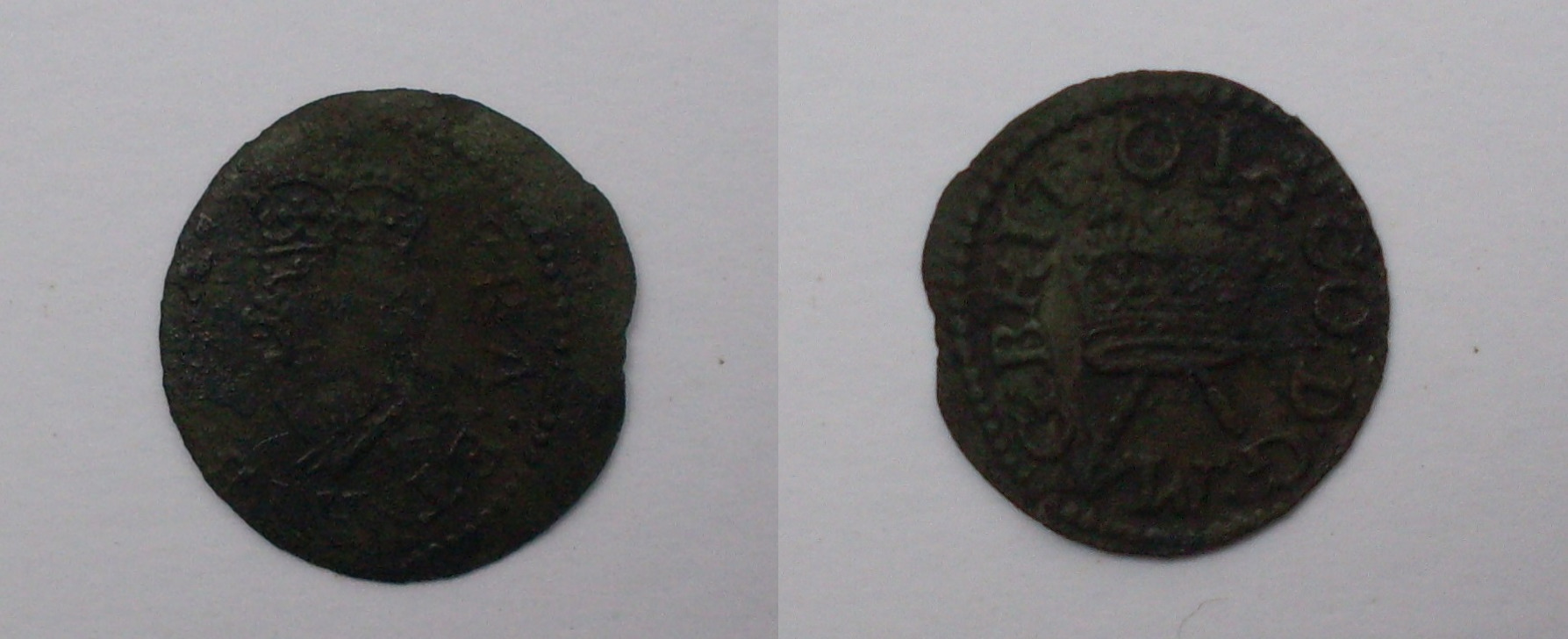
This month, I am going to talk about a small coin (about 16mm in diameter) from James I of England.  This coin is known as a ‘Lennox’ farthing, taking it’s namesake from the man who minted them.  Originally the patent to strike these coins was given to Lord Harrington by James I in 1613, due to their being an extreme shortage of small change in the country at the time (a problem which would persist until the late 18th century).  Harrington died the following year in 1614, followed shortly by his son.  The patent went to his wife who either sold it or gave it to Ludovic Stewart 2nd Duke of Lennox on June 28th 1614.

Ludovic would go on to mint five different variations of this coin.  With only one of these actually being authorised to be circulated in Ireland.  Despite a harp featuring prominently on the reverse of the coin, it was not until the fifth variation when it was allowed in Ireland.  This fifth variation is markedly different from the others, as the flan was more oval shaped than round.

The coin shown in the picture above is the third variation minted sometime between 1622-24.  This can be identified by the privy mark shown at 12 o’clock on the obverse side of the coin (above the crown and sceptres).  The privy mark shown is called an ‘annulet’ (represented by a full circle), and with this third variation a total of 22 different privy marks were used.  All in an attempt to stop forgeries.

The Duke of Lennox would die in 1624, a year before James I.  The patent to strike the coin would pass on to his widow Frances Duchess of Richmond.  The patent would be reaffirmed by James’ son Charles I, and the coins themselves would later be known as ‘Richmond’ farthings.

The Great British Coin Hunt 10p

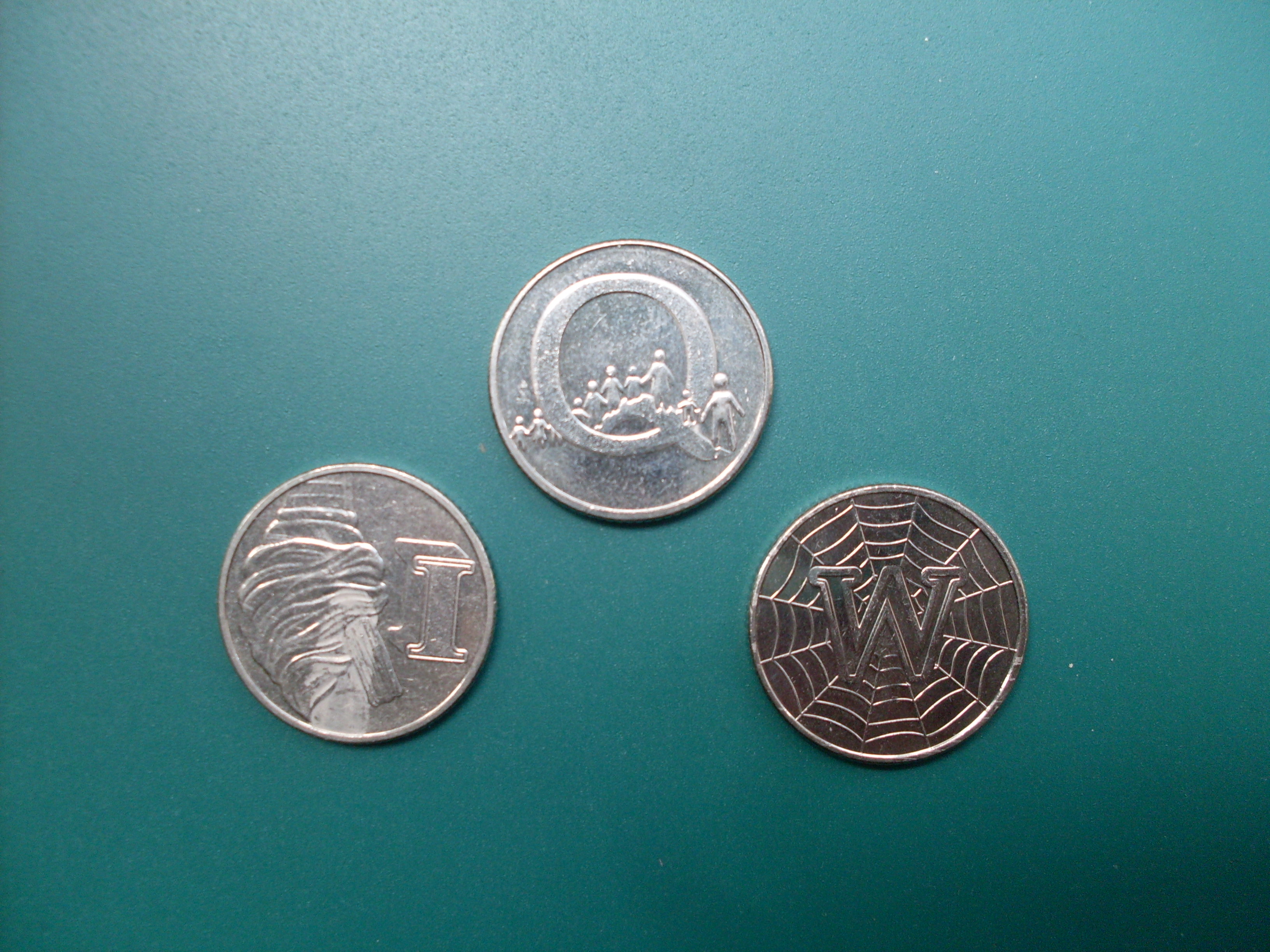
So being a bit late to the party on this, these coins were revealed back in March of this year.  However, it is not until recently I actually managed to get my hands on some.  Released by the Royal Mint as an attempt to get younger people more interested in collecting coins, this is the first time the 10p has been used to showcase a variety of designs (usually reserved for denominations 50p and higher).  Previously the design of the 10p has been altered a few times, with the more drastic changes coming in 1992 when it was reduced in size and weight, and in 2008 when the design was changed form the crowned lion to the more common coat of arms puzzle piece.

SDC12747

The designs themselves go through each letter of the alphabet and represent a facet of British life or culture.  So in the picture above I have the coins for ‘I’, ‘Q’, and ‘W’.  The full list of them can be found here with detailed explanations about the design choice for each one.  I wonder how long it will take for me to get all 26…

Collection update September ’17

imgonline-com-ua-twotoone-br86NzvJvak4dhB

This month I got a selection of British and Irish coins, many of which I have already shown in my collection update blog posts before.  From the pictures above you can see the full range of Hibernia coins minted for Ireland during British rule, as well as a selection of coins minted for Ireland after they achieved independence in the 1920’s.  Most Irish coins still retain the harp, which is a symbol of the country itself, and is commonly featured on the country’s coat of arms.  An icon which has now been translated onto the Euro coins issued by the country.  As well as the British and Irish coins, I also acquired a coin from Australia dated from 1913.

Although George V is shown on the obverse of the coin, Australia by this point in time had become a fully independent country from Britain after the confederation bill was passed by the UK parliament in 1901.  Upon it’s independence, and it’s formation into a unified country it adopted the name Commonwealth of Australia, which can be seen on the reverse.  Despite gaining independence from Britain, Australia still retained the British monarch as it’s head of state, which is still prominently featured on it’s money today.  Similar to Canada, and other former colonial possessions.

Finally, another coin I received was a British penny dating from 1797.  From the reign of George III.

imgonline-com-ua-twotoone-LIpkAa1Cm6

Sadly, the coin itself is in bad condition, and much of detail has been lost.  However, the profile of George and Britannia can be made out.  One thing which, although not clearly seen in the pictures, is that the legends and date which decorate the edge are still clear.  This coin does need a special mention as it is the first modern British penny minted.  Prior to this, there was no official mass produced penny by the government except the silver penny which had been discontinued years beforehand and was the mainstay of British coinage for much of the previous eight centuries.  Due to it’s size and distinctive shape, it is commonly referred to as a ‘Cartwheel’ penny due to it’s uncanny resemblance to a cartwheel.

The new £10 note.

SDC12453

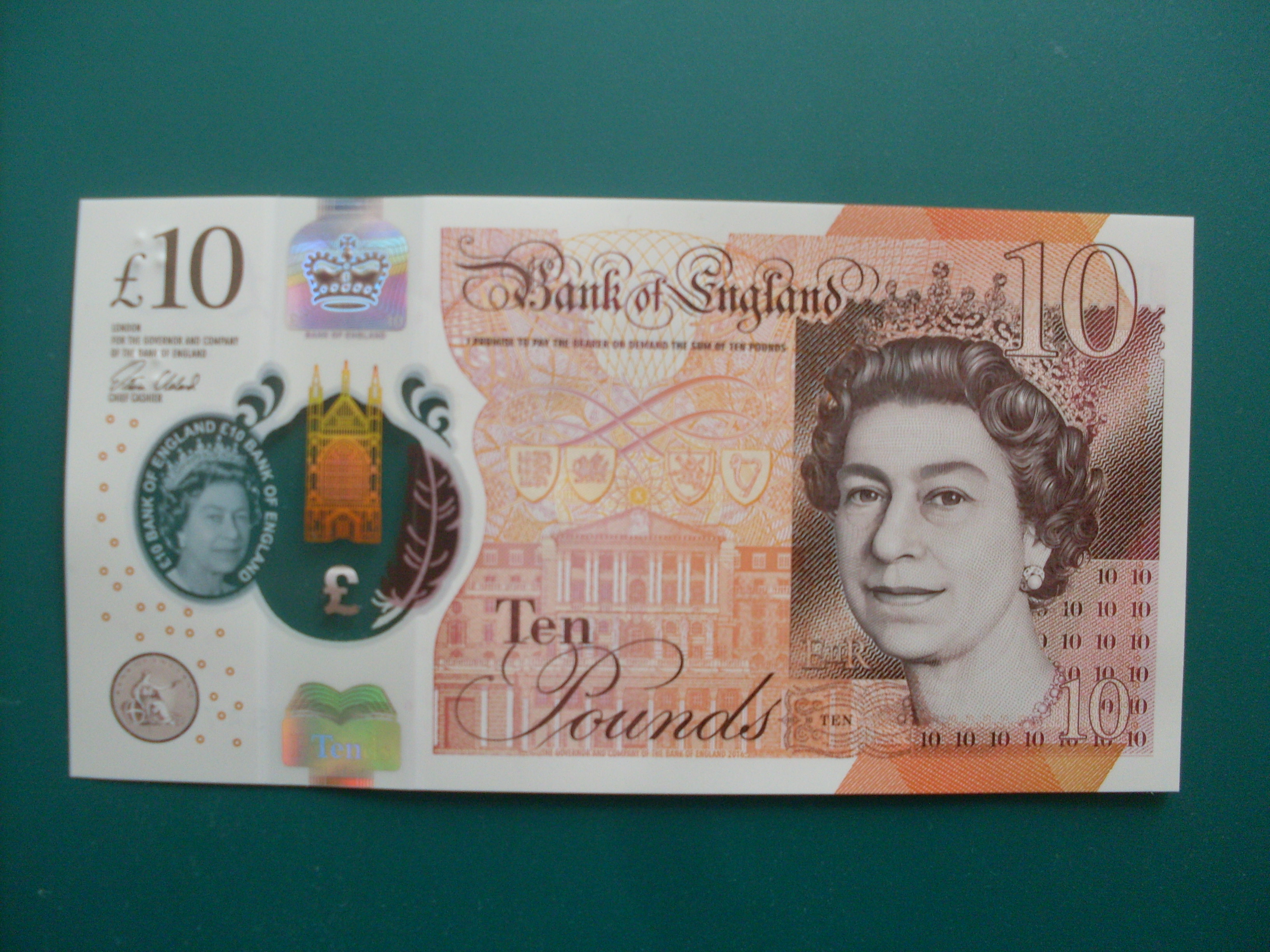
This week sees the general release of the new ten pound note here in the UK, replacing the old note which had featured Charles Darwin since the year 2000.  This change is only the fifth iteration of the banknote in it’s 258 year history.

The new design features Jane Austin, along with Godmersham Park (the residence of her brother who she visited often, and was the inspiration for a number of her novels) and Jane Austin’s writing desk.  The use of Austin on the £10 note will be the first time a female has ever been represented, who isn’t the Queen, on a denomination larger than £5.  She will also be the third woman to ever be featured, joining others such as Florence Nightingale, and Elizabeth Fry.SDC12454

The new banknote is slightly smaller than the old one, and is made of the exact same material as the new Winston Churchill £5 note which was put into general circulation last year.  It also keeps the same orange colour as it’s predecessor.  The Bank of England has also included a new feature not present on any other previous banknotes to enable the blind and partially sighted to identify the banknote, as evidenced by the raised bumps to the left side of the banknote.

Finally, in addition to being made from new polymer materials, the production process allows the note to have a carbon footprint 8% lower than it’s paper predecessor.

The next note to be released in the UK will be the £20 note, set to be put into general circulation in 2020.  This note will replace Adam Smith design with JMW Turner.

Collection Update July ’17

This month’s additions to my collection is a small handfull of British copper coinage, and a single silver coin from the reign of Charles II.

Much of the earlier coins are severely worn, with the most prominent of the copper coins seeing less wear dating from 1901.  Much of the coins are copper pennies with various monarchs represented.  The earliest date is from the reign of George II, and although one of the coins exhibits a somewhat clear view of his bust on the obverse, much of the reverse showing Britannia is severely worn making it very difficult to date.

The small group of three coins in the bottome centre of the pictures however are the most interesting.  Shown here is an Irish half-penny, the exact same design as the penny shown in my collection update of last month.  It unfortunately shows the same amount of wear as it’s counterpart, although the bust of George III is more defined.

The silver coin is from the reign of Charles II, and I got it as part of this group in a bulk purchase.  It hasn’t weathered the years well, as it is slightly bent, with a hole punched through it.  It dates from 1679, 19 years after the restoration of the monarchy in the UK.  Charles’ father, Charles I was executed (and the only English monarch to have been so) by parliament after losing the Civil War to forces led by Oliver Cromwell.  Cromwell ruled the country in the role as Lord Protector until his death.  This is the only time when England has not been a monarchy, but a Commonwealth.

When Cromwell died in 1659, his son Richard was not well liked by the newly formed army, and was seen in general as a man incapable of continuing his father’s policies.  After a small coup enacted by the army, a new parliament was installed.  After much deliberation and politicking, Charles II issued the Declaration of Breda which acknowledged his acceptance of the conditions proposed to him on accepting the English crown.  The monarchy was restored in May 1660, and Charles II was crowned in April of the following year.

Finally, the only other coin of note is the modern 2p coin.  It is significant because it dates from 1971, the year that the UK decimalised it’s currency, ending the old system of pounds, shillings, and pence.  A system which is often ascribed to being the longest running monetary system globally, dating back to the Roman occupation of the British Isles.  This 2p coin however, is also of note, as instead of showing the later inscription of the value in letters above the number on the reverse, it instead uses the phrase ‘New Pence’.  A feature on the coin until 1982.  Also of note, there was a mistake in the minting of 2p coins in 1983, and some bearing the old legend of New Pence has become somewhat rare.  So remember to check your change, you may have a nice night out in the form of a copper coin!

Evading the law!

Another talk about token coinage again this time.  Today I would like to focus on a British token coinage issued during the late 18th century called ‘evasion tokens’.

imgonline-com-ua-twotoone-chQoJCLLAU

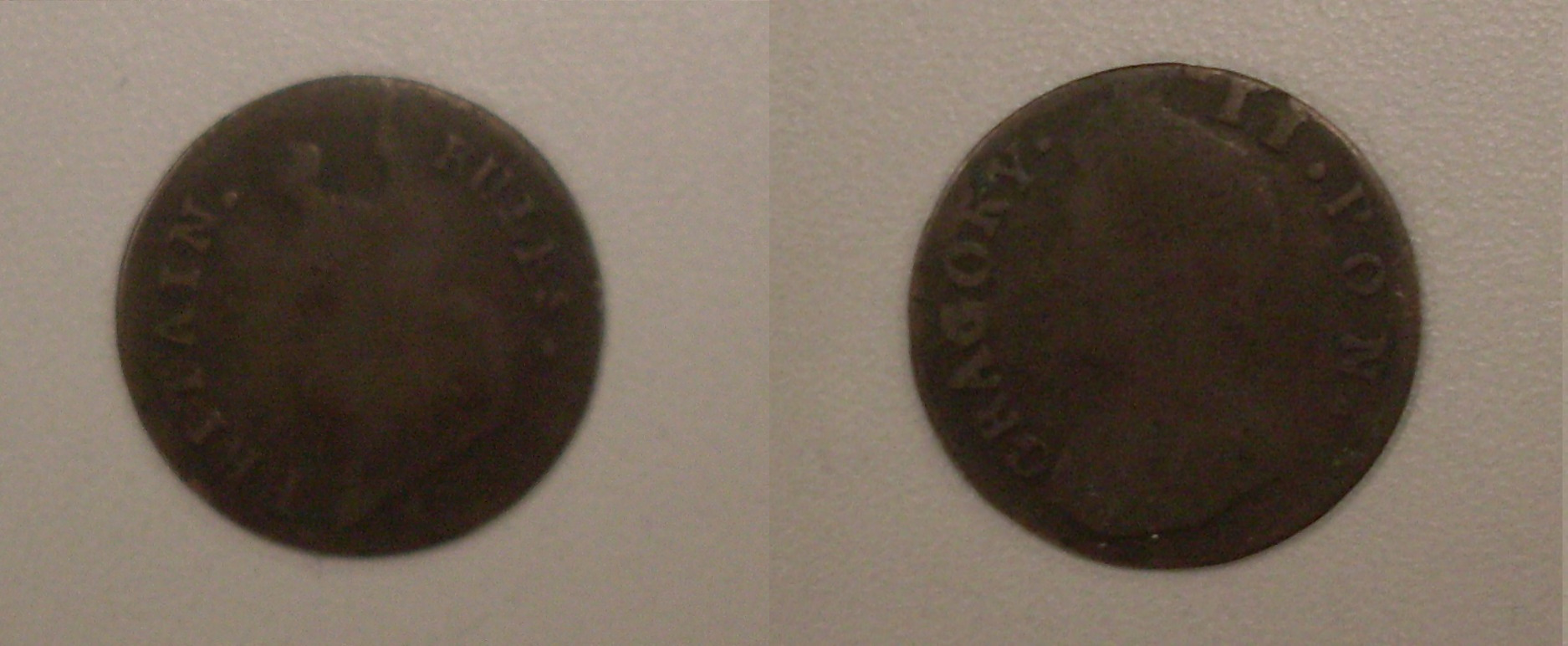
Now the picture above (although blurry, and the token itself quite worn), shows one of the many different types of evasion tokens which were minted during this period.  So why do these things exist?

During the late 18th century in Britain counterfeiting was rampant, with some reports saying that only 2/5th’s of the coins in general circulation were actually genuine.  These figures come from around 1753, by 1771 it was getting out of control, and magistrates were applying more and more pressure to find the counterfeiters and destroy the minting machines.  It was then that the counterfeiters found a loophole in the law which allowed them to continue making the fake coinage.

The laws at the time stated that only ‘Regal’ coinage was covered by the counterfeiting laws.  Thus, if a coin was not an ‘exact’ copy of one issued by the government, then the law is technically not being broken, and thus any punishment is evaded.  They were not coins, but tokens.  Hence the name ‘evasion tokens’.  Most of these tokens were thus changed to suit the work-around in the law.  So a large number of figures replaced King George, such as Isaac Newton, William Shakespeare, and even George Washington (the example in the photo shows Pope Gregory II).  George III wasn’t completely removed either, with his facing changed, or the legend around his bust altered.  The legends themselves were often nonesense or humourous in nature.  With some saying ‘Brittania Rules’, ‘These Bonny Isles’, ‘Bonny Girls’ and so on.  There were some instances of company names being included on the reverse of some tokens too.  Speaking of the reverse, these were also a target for changes, with Britannia being slightly altered, or replaced with the Irish harp entirely.  The legend was also subject to change, with similar epithets to those placed on the obverse, often more outlandish with examples of ‘Englands Glory’ and ‘Hilarias’ being used.

The tokens themselves were often widely accepted by the populace at the time for a couple of reasons.  First and foremost, there was a dire need of small change at the time, due to indifference by the government towards a copper coinage.  It was a widely held belief that copper was not a fit enough metal to strike a ‘regal’ coinage, and thus striking copper coins was not an especially important activity for the Royal Mint to pursue.  Secondly, many of the native provincial Britons were illiterate and if the ‘coin’ on offer looked somewhat genuine and something they were used to, they were happy to accept it.

The earliest examples of evasion tokens date from the mid-1770’s, but the majority seem to come from between 1795 and 1800.  There are thousands of different designs out there, and were first started to be catalogued in 1892 by Atkins, which then wasn’t updated until in 1987 by Cobwright, with a further revision in 1993 (A walk in the Monkolokian Forest in search of the Spiny Fubbaduck – yes, that is the title of the work by Cobwright).