Getting the measure

We are returning to Russia again this month and with something slightly different from the norm. Now in the picture above we see a perfect copper replica of the Russian half-poltinnik which originally was minted in silver during the reign of Czar Alexei Mikhailovich (1645-1676). However, it is not a forgery. It is actually a coin weight used to measure the quality of the afore-mentioned half-poltinnik.

Coin weights themselves were often made of a variety of materials, ranging from metals to glass. Most often bore an inscription of the coin they were supposed to represent, or were straight up copies like the one I have acquired.

Not limited to the medieval period, the history of coin weights date back to ancient Ptolemaic and Byzantine times, and there is significant evidence that they were also used in ancient China.

(The inscription reads: “Czar and Grand Prince Feodor Alexeyevich of all Rus”)

This coin weight was minted during a period of monetary reform in Russia. In the middle of the 17th century there was signs of a strengthening of monetary currency, growth of the Russian internal market, reinforcement of Russian state power, and the annexation of the Ukraine in 1654 made monetary reform a necessity. These reforms were carried out in 1654 with the aim of introducing a new set of small and large denomination coins to replace the silver wire kopecks previously in circulation. Inspiration was drawn from Western currencies, with the new silver Rouble taking it’s ideas from the West European thaler. Many of the new silver roubles were made by simply counter-marking existing thalers (or other coins of the same weight and value). Half-poltinniks were made by simply cutting these Western thalers into quarters.

However, there was much public mistrust over this new coinage due in part to unfamiliarity and the way the coins were issued to the population. Thus, just a year later in 1655, the reforms were abandoned. This was shortly followed by a mass striking of new copper coins using the old denga and kopeck system, with many of the designs modelled on the old familiar silver wire kopecks.

Ironically the mass striking of the new coins led to inflation quite quickly, and with the sharp rising of prices, the economy in disruption, the Copper Riot of 1662 happened in Moscow. This led to the eventual nullification of all copper coins in 1663 and would not see a reintroduction until much later.

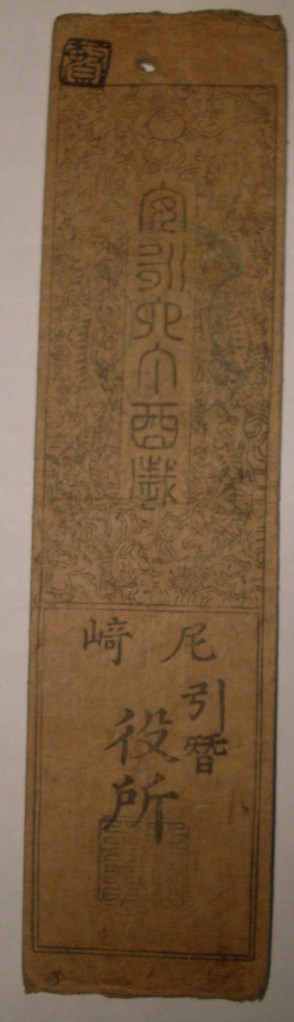
Daikokuten pays a visit

Back in early 2018 I had a two week long trip to Japan.  Whilst there I managed to pick up a wide variety of different types of coins and banknotes to add to my collection.  Within the post I wrote at the time I mentioned that I added a unique Japanese banknote called a Hansatsu to my collection (the post can be found here).  The Hansatsu I acquired back then it turns out was on the small side of what was produced in Japan at the time.  This month I have managed to acquire another Hansatsu note, one which dwarfs the size of the ones I got during my trip.

The Hansatsu itself measures 19.5cm tall and 4.7cm wide. It dates from the mid 18th century and was made from thick card stock. The feel of it is very similar to rough cardboard. The value of the banknote is 1 silver momne, and was produced in Amagasaki Han which is now a part of modern day Hyogo Prefecture.

The Han system is the historical term for the estate of the Daimyo who were powerful Japanese feudal lords. Differing from Western style of feudalism, the Japanese feudal domain was based on projected annual income rather than geographical size. The value of the Han itself was based on the Kokuda system, which determined how much rice could be produced for one person for one year. This unit of measurement was called a ‘koku’ and would form the basis of taxation for each Han. The value obviously varied from Han to Han, with the richest Han in the Edo period being the Kanazawa Han owned by the Tokugawa Shogunate. The value of which was estimated to be just over 1 million koku in 1690.

On the front of the Hansatsu, a large figure takes prominence at the top. This figure is the Japanese god Daikokuten, one of the seven Japanese gods of fortune within the Buddhist faith. As the value of much of Japan was tied to the production of rice, Daikokuten is often depicted on Hansatsu sat astride several rice bails. Furthermore, this is reinforced, as Daikokuten is also one of the deities tied to agriculture. As mentioned in my previous blog post, he is also tied to wealth, good fortune, and happiness, which has led him to be a popular God amongst the Japanese.

The price of war

A fairly short post this month.  Mainly because I got something I have already talked about before.  In this post I wrote back in 2017 I talked about my favourite numismatic material I like to collect.  Well this month I got myself several notgeld coins to add to my collection.


Two of them are 5 pfennig coins, and the other is 10 pfennig.  They were made in two different towns within Germany, with the coins from Düren being of boring design.  Both coins feature the value of the coin, and the city name on both faces.  The last coin, a 5 pfennig, was made in Bonn and shows a design of one of the bridges which stretch over the Rhine in the city.  Both cities are found in the Rhine area of Germany, although Bonn actually straddles the river.  The 5 pfennig coins seem to be made from iron, whilst the 10 is made from zinc.

The coins date from the last few years of WWI, when war critical supplies are running low within Germany.  As explained in my linked blog post, notgeld were issued by local administrations to help bridge the void left by a failing central government at the time.  Although most forms of notgeld often seen are in the form of banknotes, as you can see coins were also issued.

The Khanate Can-can

SDC13429

After last months trip to China we are heading back further west this month.  This time to the Ilkhanid Khanate.

From the pictures you can see I got my hands on three silver coins from the Ilkhanid Khanate this month.  All three are hammered coins, and date from the mid-14th century.  Minted under the Sultan Abu Sa’id Khan, he reigned the Ilkhanate from 1316 until 1335.

The Ilkhanid Khanate primarily occupied the region what we now call Iran, Azerbaijan, and most of Turkey, but it’s borders at it’s peak also stretched into Iraq, Afghanistan, Turkmenistan, Georgia, Pakistan, and parts of Tajikistan.  The first Khan of the Ilkhanate was Hulagu Khan, who was the great grandson of Genghis Khan, and brother of Kublai Khan.

The Ilkhanate itself was not a stable entity, and would spend the majority of it’s existence fighting conflicts outside and inside itself.  The first 50 years after it’s founding would see the Ilkhanate at constant odds with the Golden Horde and the Mamluks.

SDC13430

During it’s brief existence, the Ilkhanate would convert to Islam in 1295, but the majority of the Khans, and eventually, Sultans took little to no effort at all to proselytise the new religion.  In fact, Christianity, Buddhism, and even Shamanism would be tolerated.  However, despite the Ilkhanate’s conversion to Islam it would maintain hostile relationships with many of it’s neighbours.

In 1316 Abu Sa’id Khan would succeed to the throne, and immediately would foster rebellions within the Khanate in 1318.  He would also subsequently be invaded by the Golden horde.  Stability was eventually hard fought and won, but it was soon proven fragile as an outbreak of the Black Death in the 1330’s ravaged the Khanate.  Abu Sa’id and his sons would die of the Plague in 1335.  He was followed by a very quick succession of succeeding Khans until 1338.  ‘Little’ Hassan who survived this quick succession would prove to be the final Khan of the Ilkhanate when it was finally overrun and conquered by Jani Beg of the Golden Horde in 1357.

Cash in hand

Back in January during my usual aims for the year I mentioned that I would like to pursue attaining more Asian coins for my collection.  Well this month I have finally achieved what I set myself.  Grabbing myself 12 Chinese cash coins to add to my growing hoard.

SDC13425SDC13426

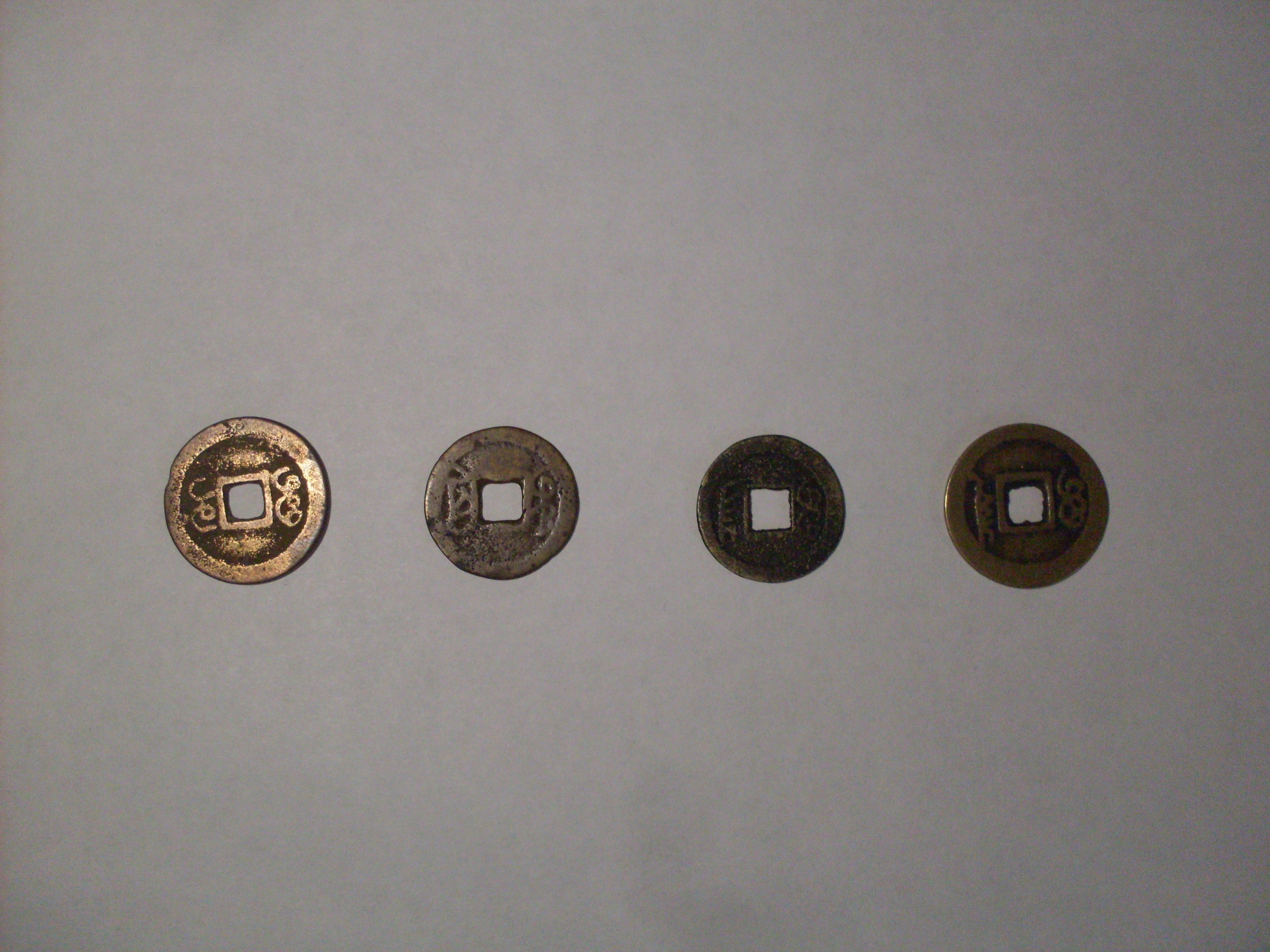
The first four coins from the group I have were identified by the person I purchased them from.  From the pictures, going from left to right, they are in date order.

1st – Dating from the Emperor Jiaqing of the Qing dynasty, this coin was cast from between 1796-1820.

2nd – Another coin from the Emperor Jiaqing, and dating from the same period as the first.  This coin however is known as a Boo Jin.

3rd – From the Emperor Daoguang of the Qing dynasty, this coin was cast between 1821-45

4th – From the Emperor Puyi (also known as Xuantong) who was the last emperor of China.  This coin was struck around 1908-09.

The other coins I acquired sadly are difficult to identify.  Mainly because I have no idea how to translate the Chinese characters on the coins themselves.

SDC13427SDC13428

I did however learn a few new things about Chinese cash coins during my attempts at researching them.  They were first made during the 4th century BC, and were in use continuously until their final casting in the first year of the Republic of China in 1912.  During this period the design remained pretty much the same, with the round shape and square hole most of us known them for.  This meant that many coins which had been struck during the Northern Song Dynasty (AD960-1279) were equally valid and in circulation up until the early 20th century!

Finally, despite the majority of the cash coins being manufactured through the process of casting.  During the latter periods of the Chinese Empire, it was also known for several of the coins to be machine milled similar to most coins are today.  Two of which can be seen in the bottom row of the last set of pictures above.  You can easily tell them apart from the ones which have been created via casting due to the crisper edges and lettering.

Hungry, Hungry, Hungarians

A new blog post finally after a month absence due to some difficulty in getting some new additions to my collection.  Particularly due to the vents happening globally right now.  However, this month I have managed to attain some new medieval coins to add to my display case.SDC13418

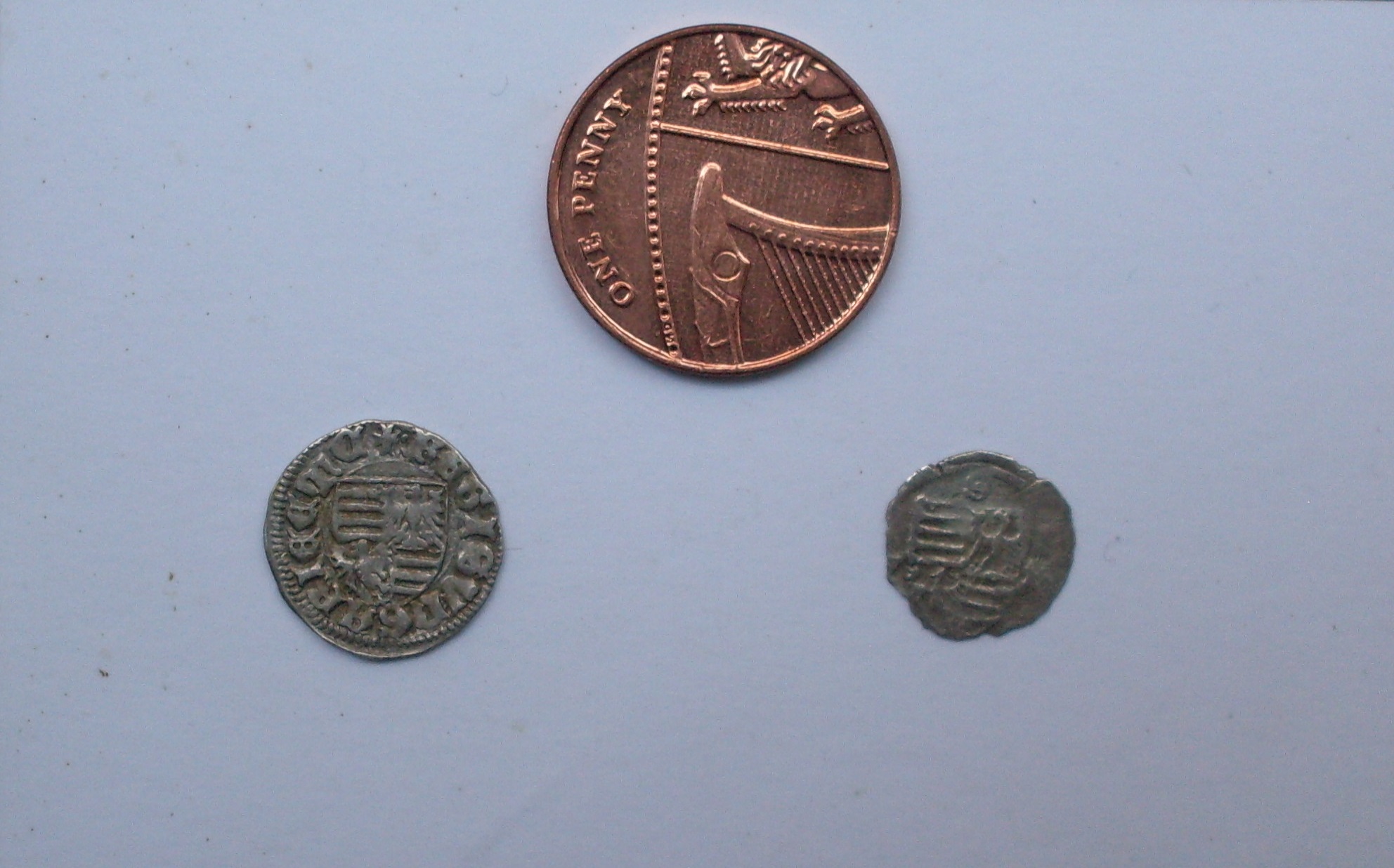
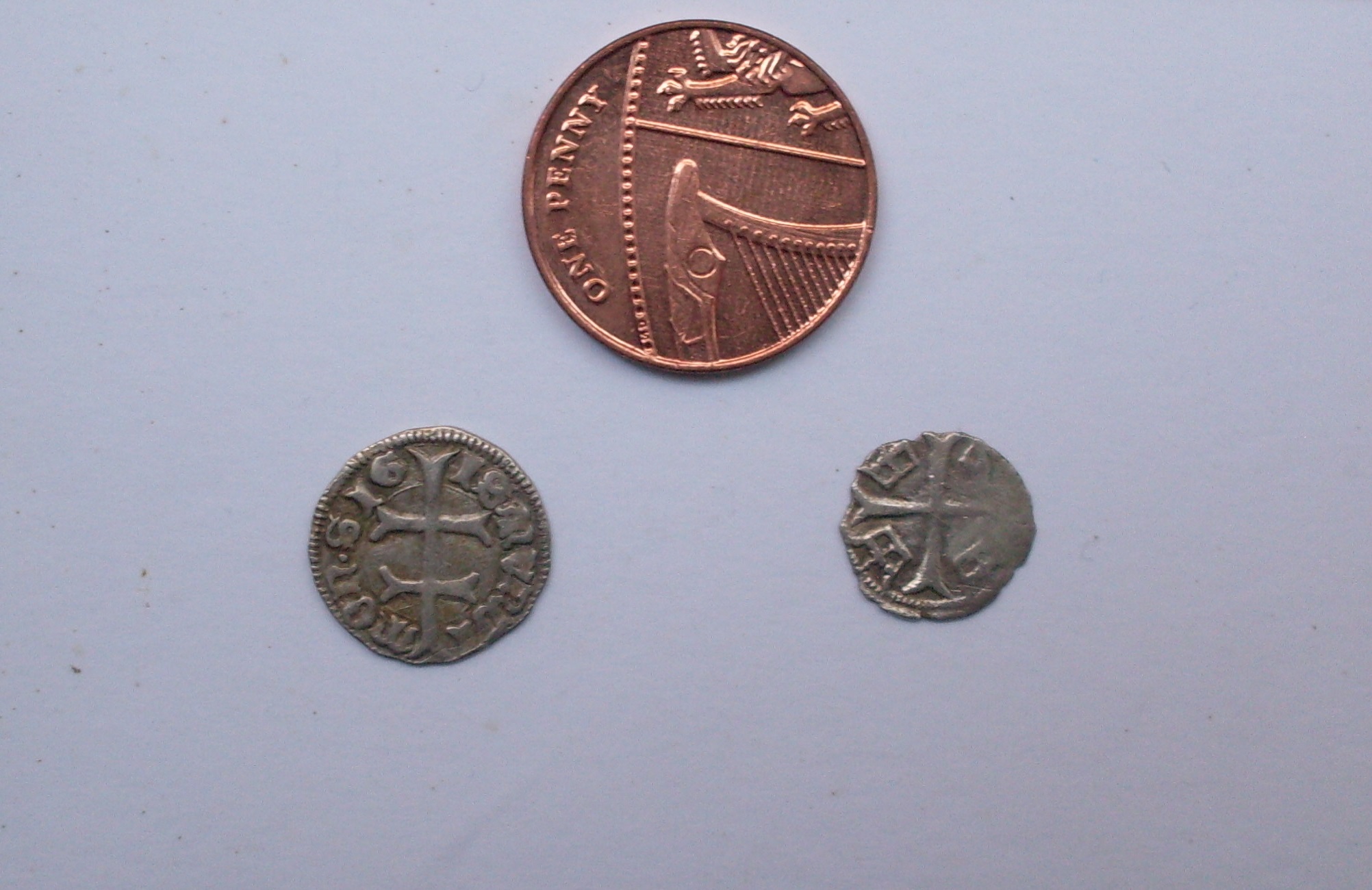
From the picture you can see two small silver coins from the Kingdom of Hungary.  Both were minted under the King Sigismund I, who ruled Hungary from 1387 – 1437.  There are no actual dates on the coins themselves, so the closest I can get is the reign of Sigismund himself.  The coin on the left is a Dinar and weighs 0.17g, whilst the coin on the right is a Parvus and weighs just a measly 0.23g.  You may also notice that the coins are quite small, especially when put in comparison to a penny.  The dinar measures 13.5mm and the parvus is 11mm.  Both are roughly 1mm thick.

Now Sigismund was not just the ruler of Hungary, but was also the King of Croatia (which was incorporated into the Kingdom of Hungary at this time), King of Germany, King of Bohemia, King of Italy, and Holy Roman Emperor.  But since the coins I got this month are from Hungary, I will just discuss a little history in regards to that part of his life.

Sigismund became king of Hungary in 1387 when his betrothed, Mary, on the death of her father, became Queen of Hungary.  His kingship of Hungary was not peaceful, as he would spend the first nine years after his coronation in a ceaseless struggle to keep hold of the title as the Kingdom itself was very unstable.

Much of the struggle came from trying arrest power back from the local elite who had been administering much of Hungary.  Sigismund had paid over much of the power the Kingship held to the local nobility to keep them loyal when he ascended the throne.  The restoration of the authority of the central administration took decades of work. The bulk of the nation headed by the House of Garai was with him; but in the southern provinces between the Sava and the Drava rivers, the Horvathys with the support of King Tvrtko I of Bosnia, Mary’s maternal uncle, proclaimed as their king Ladislaus, King of Naples, son of the murdered Charles II of Hungary.  It was not until 1395, that the pressure from these nobles had been suppressed

SDC13417

Slumming with Royalty

SDC13398

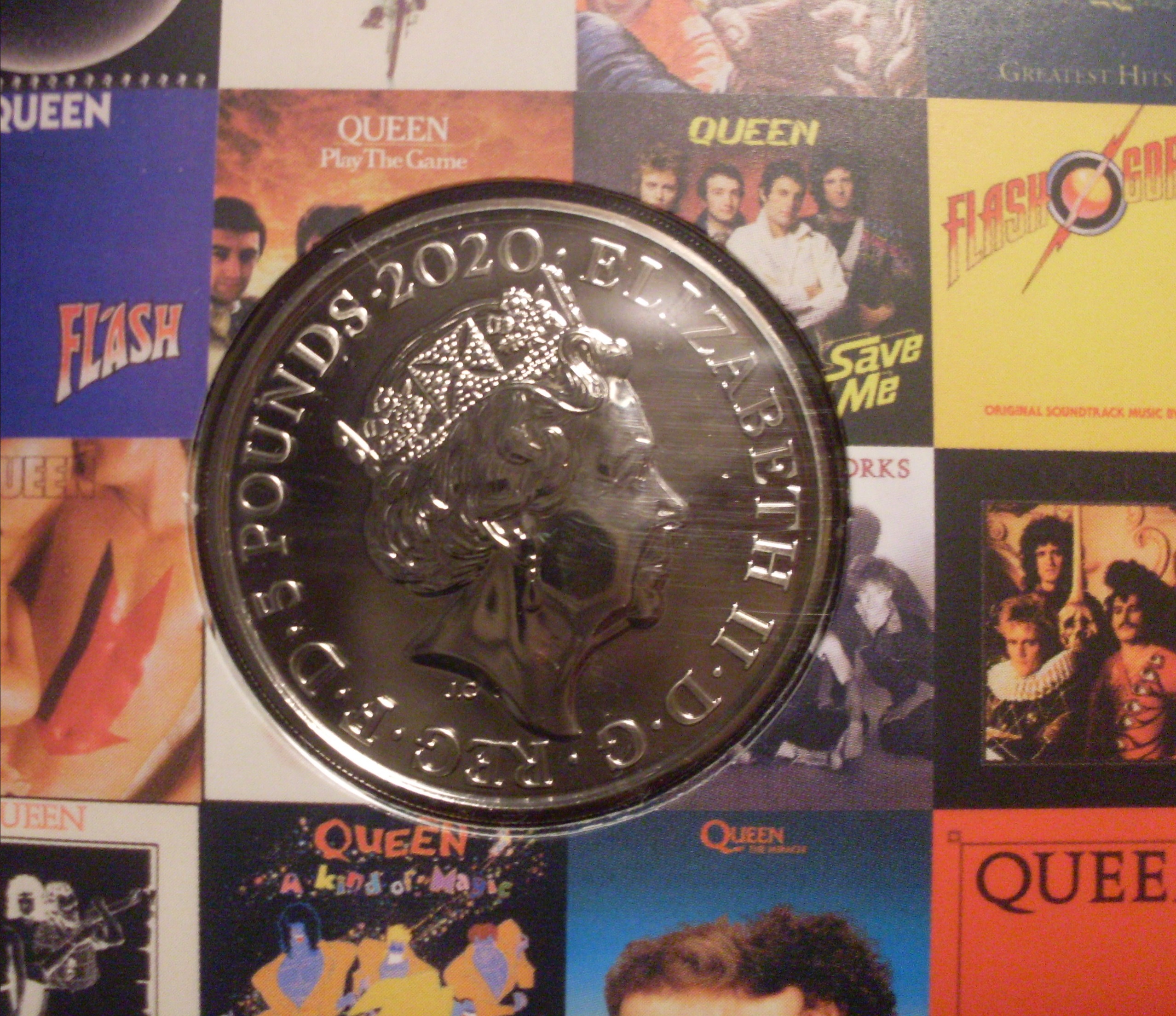
Earlier this month it was my birthday, and normally I try to visit somewhere new and maybe add some interesting foreign coins to my collection.  This year I instead went back to my old university town for a couple of days in an attempt to save money for an event which unfortunately fell through due to the current global crisis.

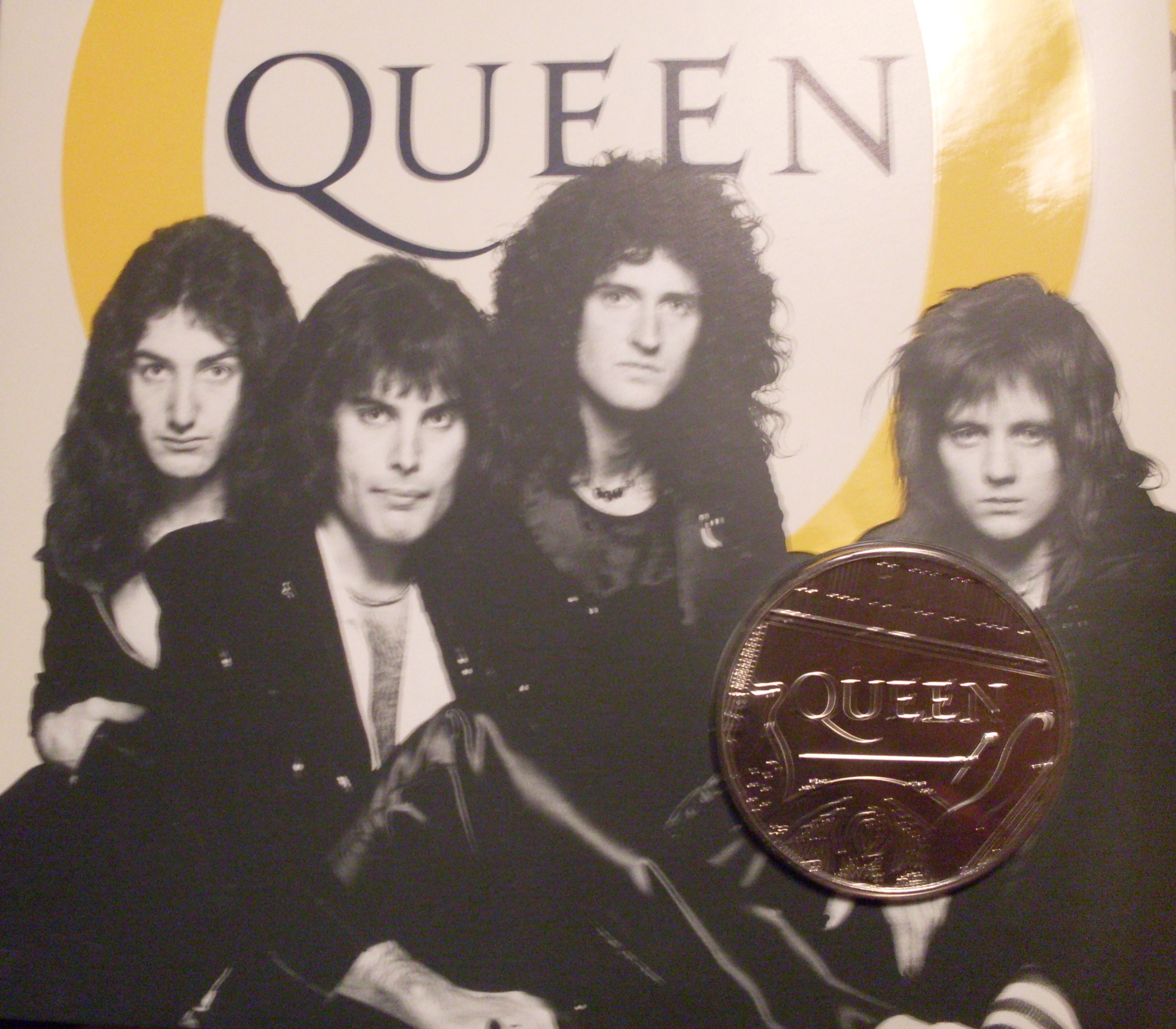
However, I still did manage to add something new though.  As a present, I received a proof £5 coin celebrating my favourite band of all time.  There is very little I can say which most people don’t know about the band Queen, but I can safely say I was quite chuffed receiving this coin for my birthday.

SDC13404

A note Turner

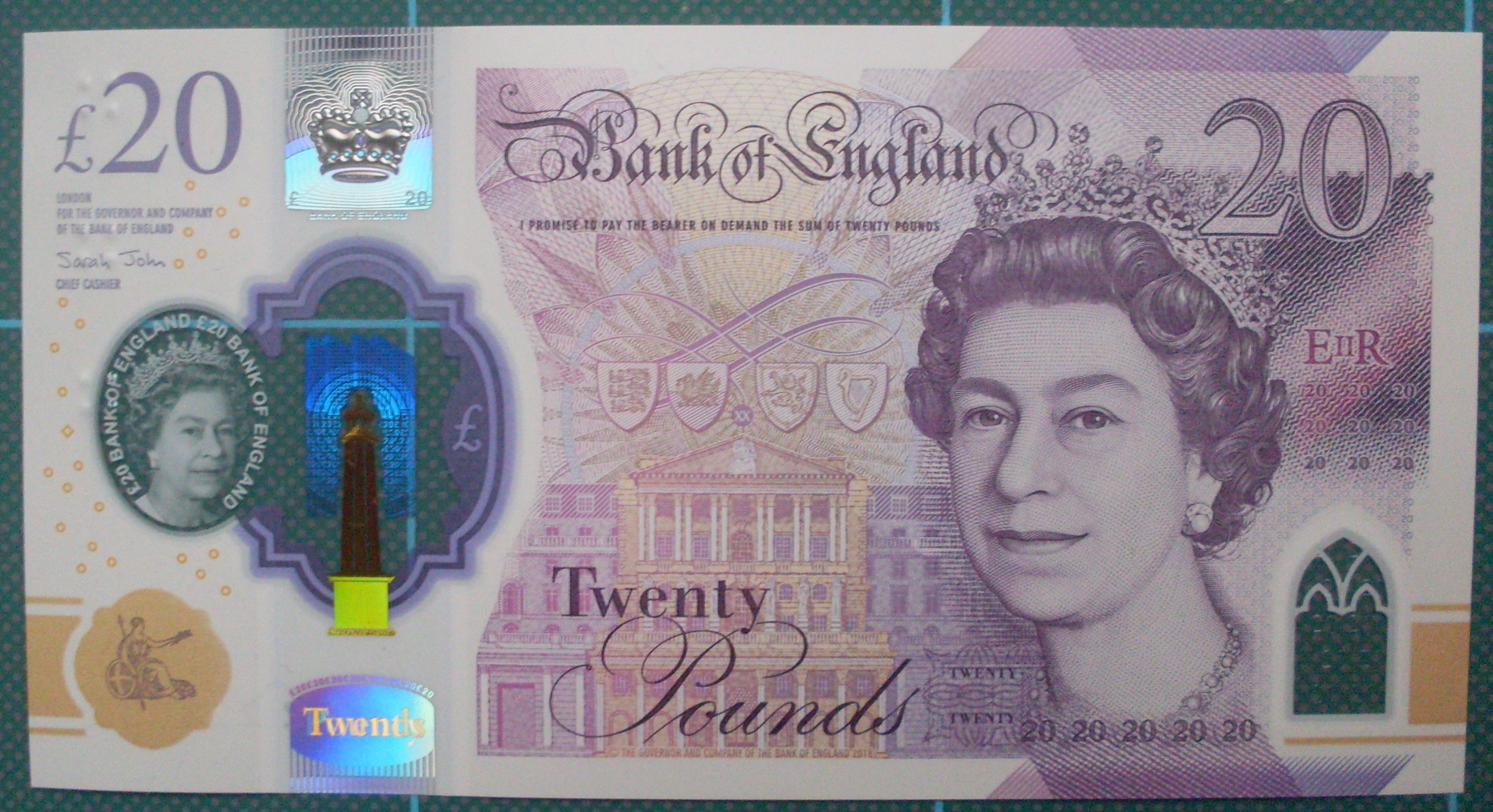
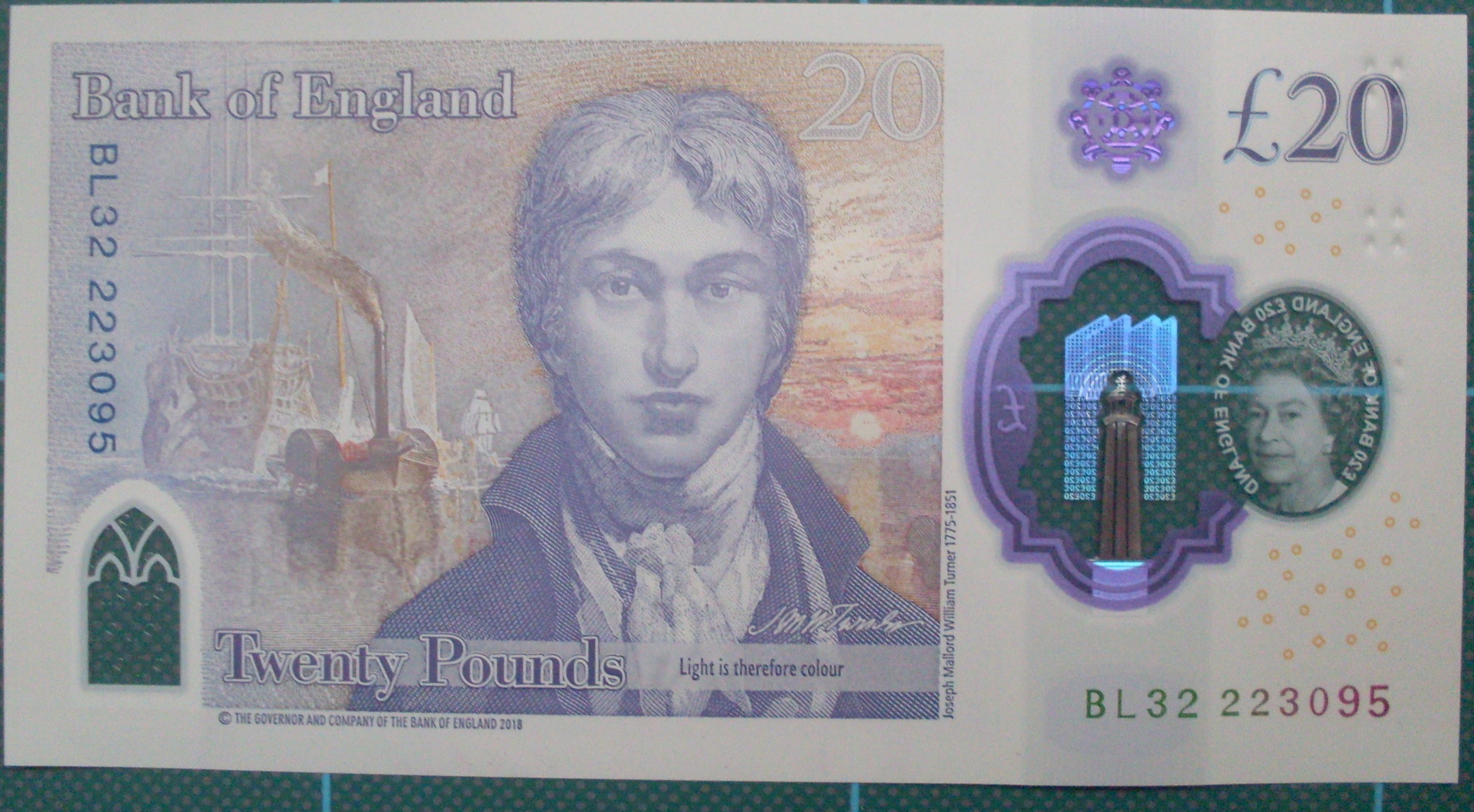
So despite being released a few weeks ago, I have finally managed to procure one of the new £20 notes (which I haven’t immediately needed to spend) which have been released here in the UK.

As mentioned back in a post several years ago when the new £10 note was released, Adam Smith who features on the old £20 note (since 2007), is replaced by one of the UK’s most forefront artists, JMW Turner.

SDC13388

SDC13389

New Year, New Decade

2020 is now upon us, and this being my first post of the year, and the first post of the decade I have decided to start off with another first.  For Christmas a family member bought me a coin as a present, a novelty item, but something which I can say is unique (for now).


Roughly about the same size as a £1 coin, I got a copy of the world’s first silver sovereign.  Minted by the Royal Mint for Gibraltar this coin is limited to a strike of only 100,000 and is composed entire of pure silver.  Now I am sure in the future many more of these will be minted, and the novelty of a silver sovereign will quickly wear off.  But I can say at least I have one of the very first batch that has been minted.

So what about my intentions for the new year?  Since it is a fresh year and a new decade I have decided to focus my efforts on areas of numismatics I know very little about.  The coins of Asia and the Middle East I will have to admit I have very cursory knowledge of, as for Africa I can say my knowledge would be equivalent to the average man on the street.  So this year I have decided to try and obtain and learn about coins from these areas of the world.  A departure from Europe and N. America for a change.
I will however attempt to obtain more ancient coins as it is always an interest to learn something interesting from over a thousand years ago.  There is also a quirk of holding something used and made by people who lived during that time.  A weird disconnect for want of better words.

Finally, I will always try and seek out further unusual coins and numismatic materials.  My love for what I like to term as ‘Funny money’ hasn’t diminished (such as the ancient Greek dolphin coins, or German notgeld).  Despite my aims to focus on new areas of the globe.  Perhaps I can marry the two objectives, I would love to add more Chinese spade coins to my collection, let alone dagger or money trees.  There are also the outlandish currency of the Pacific islands which may be a challenge and worthy goal to try and get.  Either way, it is still January, so I still have an entire year to discover and explore new areas of numismatics.

From Russia with love…

SDC13326

This month I guess I have to make up for not posting an update at the end of October.  There was a reason for this, and that was due to a trip to Moscow, which went from the 31st October till the 4th November.  It was my first time exploring Russia, and I will attest that the country did not disappoint.  However, this is not a travel blog, but one devoted to coins, so instead I will talk about what new additions I added to my collection and other numismatic things I saw.

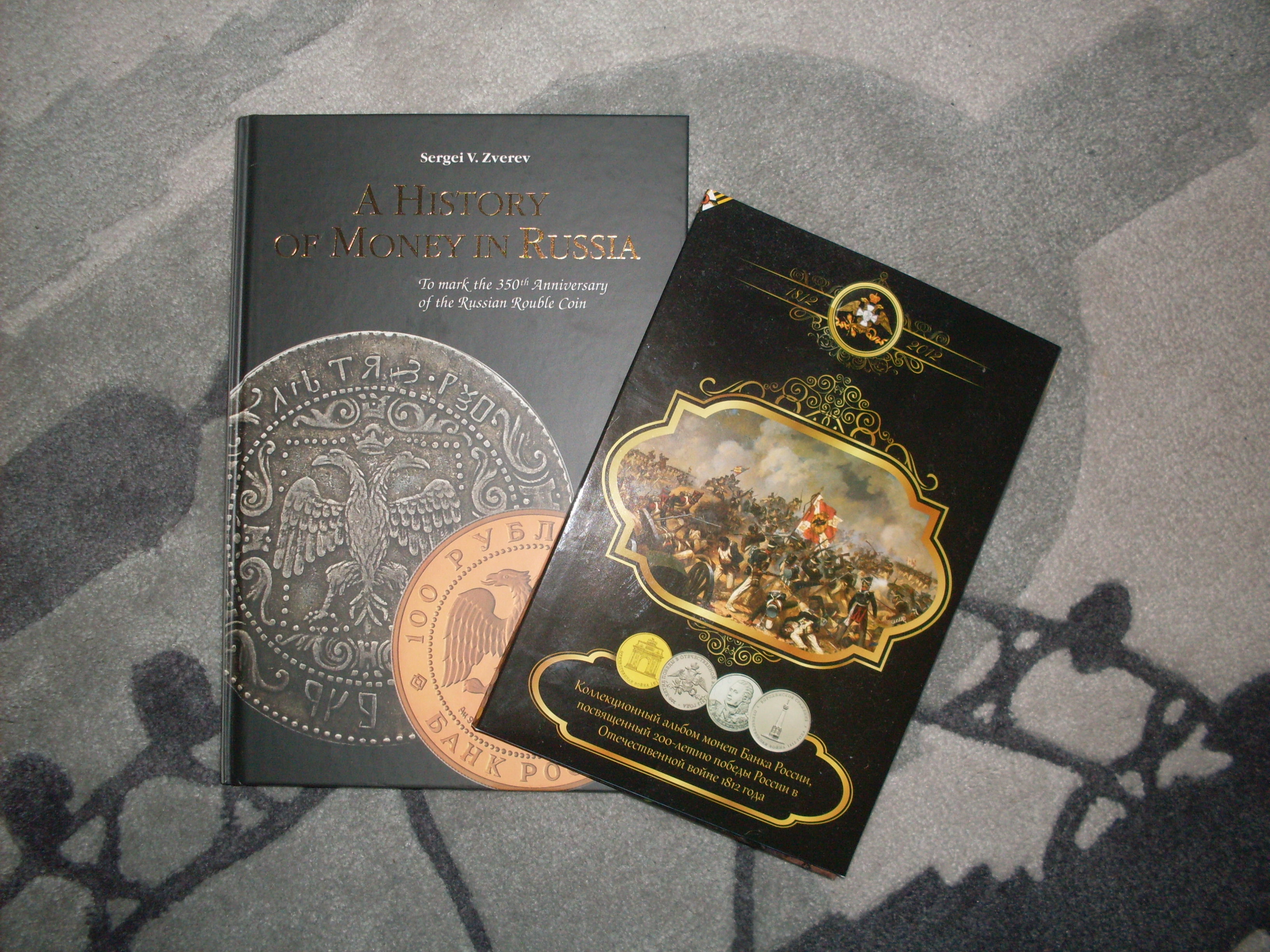
In the picture shown above I decided to buy a small book detailing the history of Russian coinage.  A nice little piece of interest which I picked up for roughly 500 roubles (~£6) in the Kremlin gift shop of all places.  Although not long, it does have a succinct run through of Russian coinage and pretty much does what it says on the front.  It does not go into too much detail, but the main allure was the comprehensive photo gallery which takes up roughly two thirds of the book.  Something I think that would come in very handy when trying to decipher any extremely worn Russian coins I may come across in future.

SDC13334

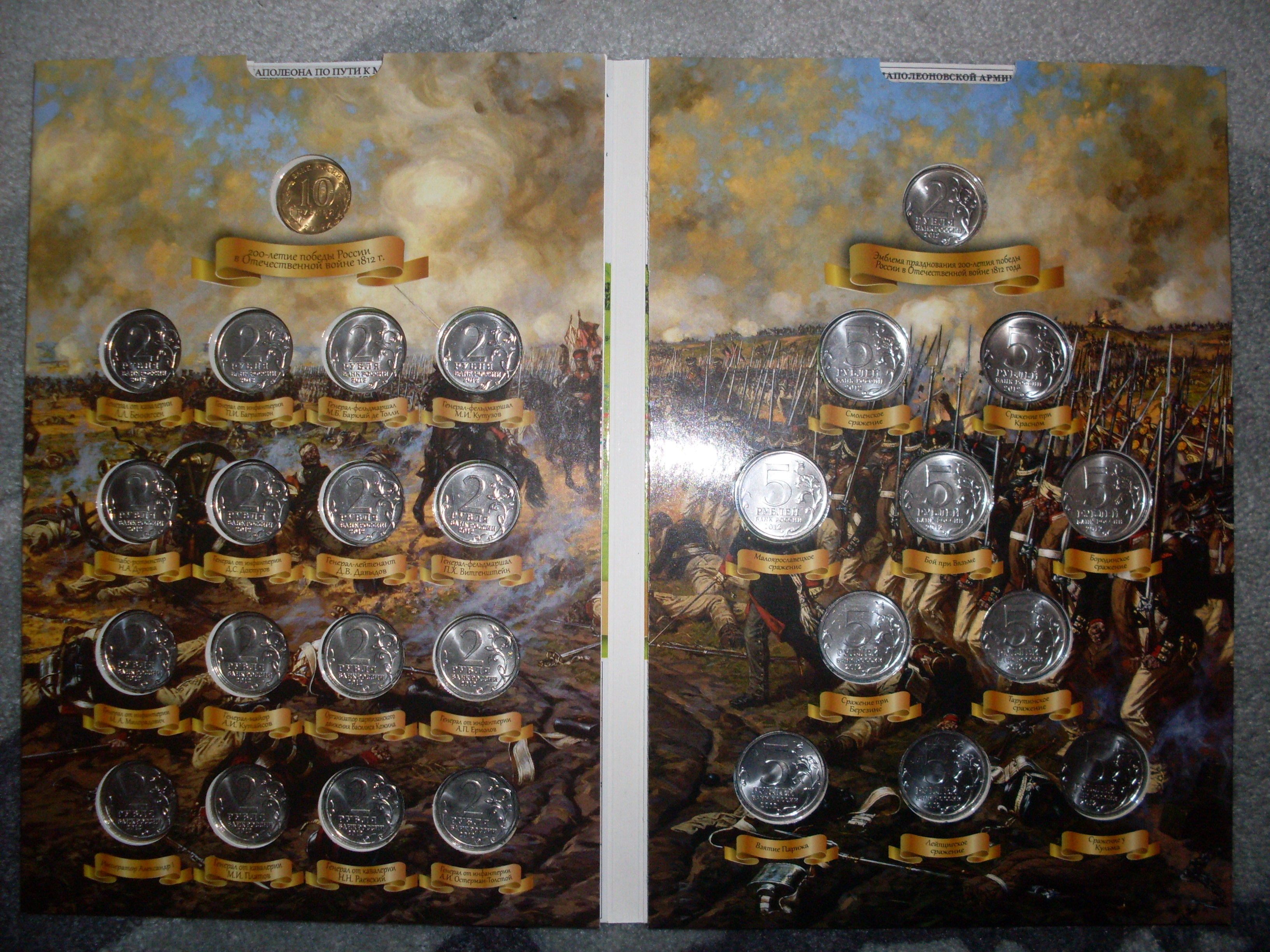
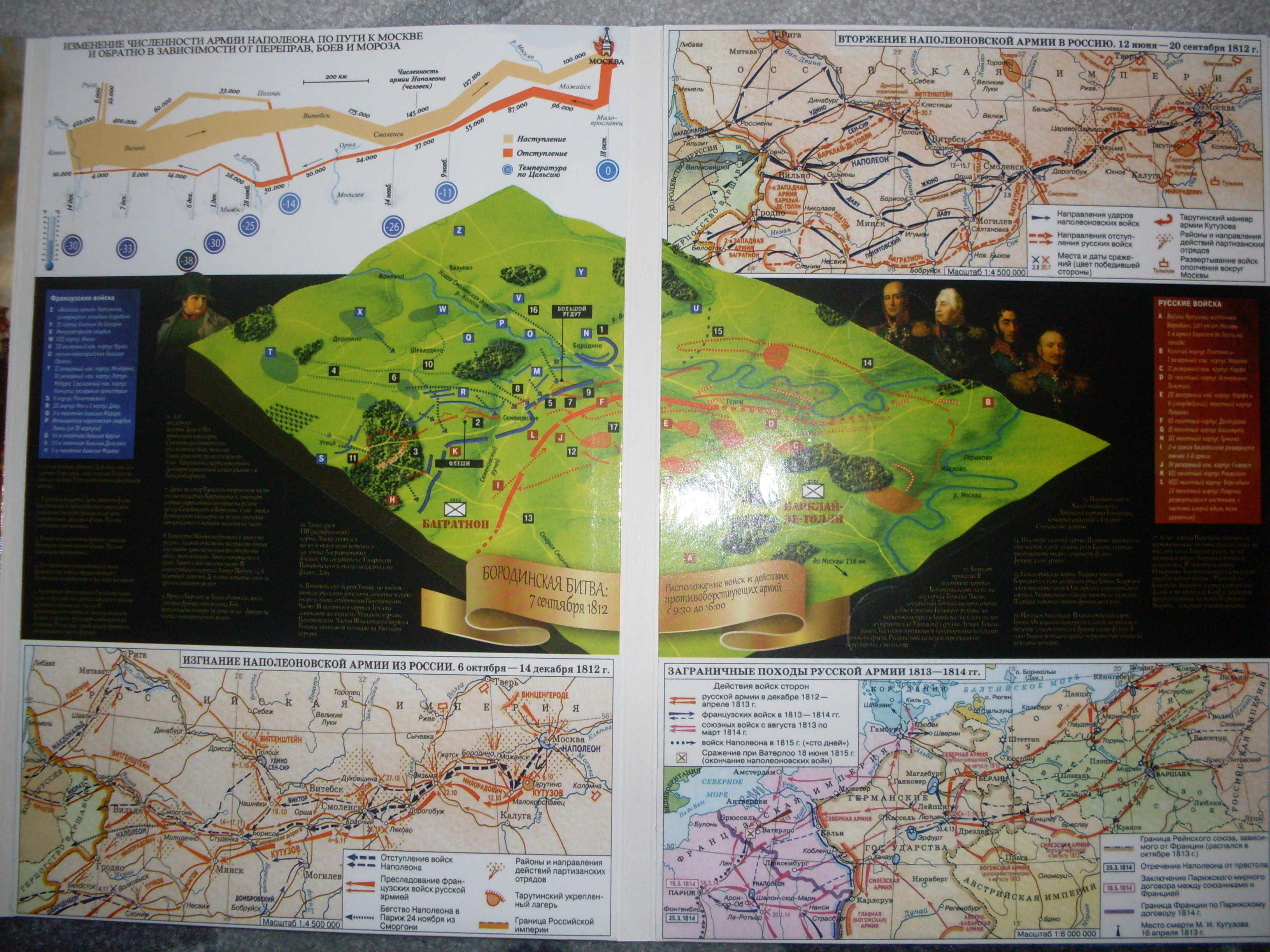
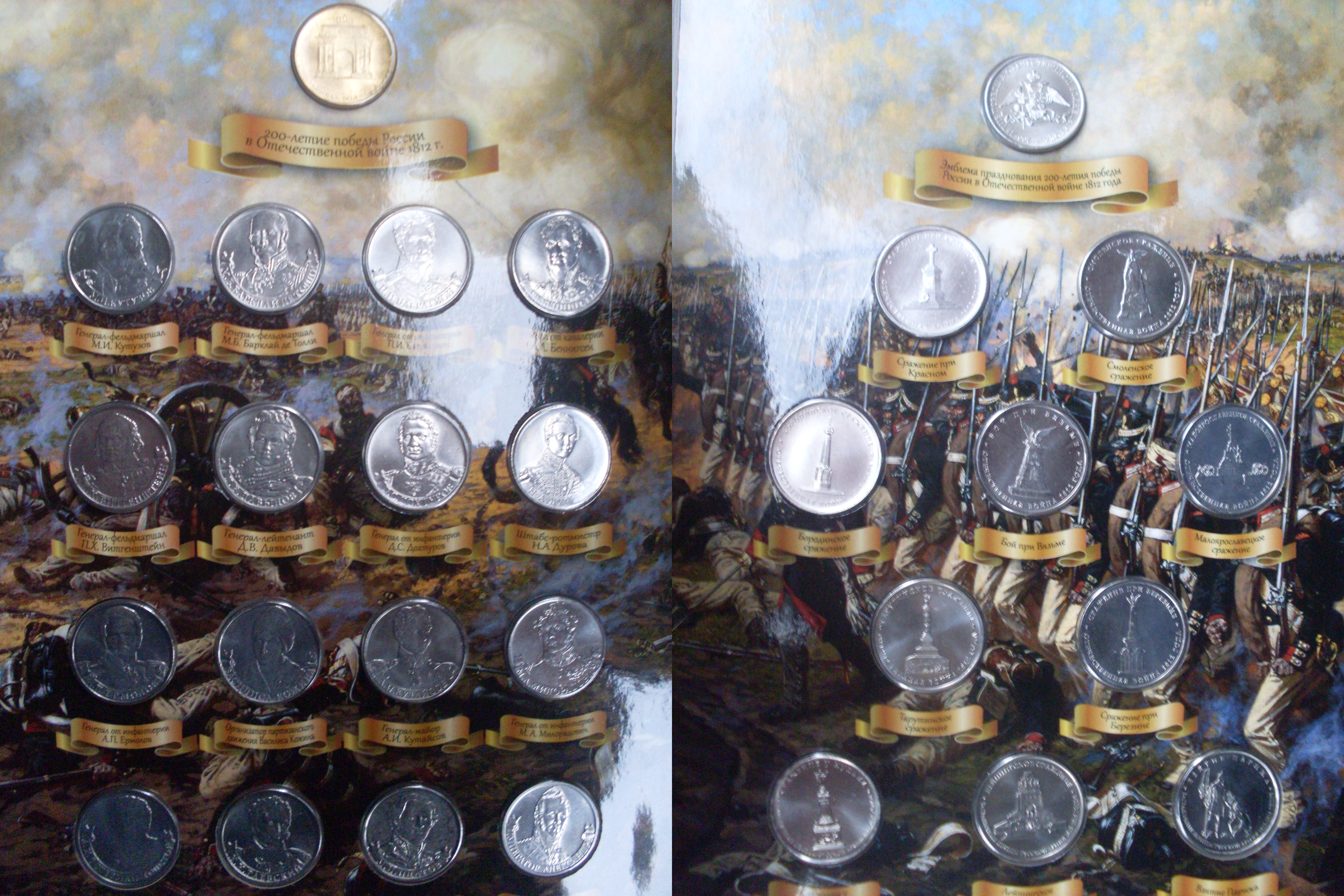
The next thing I bought was a 200th anniversary commemorative collection of 2 and 5 rouble coins which detail Russia’s victory over Napoleon in 1812.  Similar to some coins produced here in the UK in 2015 to celebrate victory over Napoleon at Waterloo, Russia’s commemorative set details Napoleons invasion of Russia, his march towards Moscow, the Pyrrhic victory at Borodino, and his eventual retreat from Russia itself.

SDC13335

imgonline-com-ua-twotoone-7braQwiiJz

The obverse side of the coins depict the generals who fought on the side of the Russia, and monuments to commemorate the eventual victory over Napoleon.

As for other numismatic items seen in Moscow, I must admit not to witnessing much.  In the Russian history museum there were a couple of cases showcasing gold coins from around the world as well as from Russia’s past.  It was interesting to see them up close, and how small such coins were.  And as ever, it always amuses me to see British coins on display in foreign lands.  Unfortunately, photo’s were almost impossible to attain as the museum curators were ever vigilant in stopping photography.

Moscow is also home to the Bank of Russia money museum, but sadly, I did not have time to visit.  Visits to the museum are by guided tour only, and have strict operating times.  Most of which clashed with other plans I had during my visit to the city.  So this is still on the list for when I next return to Moscow.

I also sadly did not get much chance to visit many coin sellers in the city.  Partly this was due to the location of many of them being away from the areas I would be frequenting.  Secondly, I read that it is difficult to transport items older than a certain age outside of Russia without the proper paperwork.  I can’t say for certain that this information is correct, as I got conflicting information pertaining to it.  Some places said it didn’t exist at all, whilst others placed a limit on it being items up to a 100 years old.  Some even went as far to suggest that items no older than 50 years could be taken!  So to save myself the trouble, I decided to settle on the commemorative coin set instead.  It wasn’t too expensive coming in around 2000 roubles (~£25), which to be honest is probably roughly the same price I would have paid for something similar here in the UK.  All in all, it was a fantastic trip, and I wholly recommend a visit.  A re-run of which I hope to achieve next year.