During my hiatus from writing posts on this blog I have had a chance to visit several money museums in different countries. This post I will be talking about the Bank of Estonia museum which I visited when I was staying in Tallinn back in November last year.
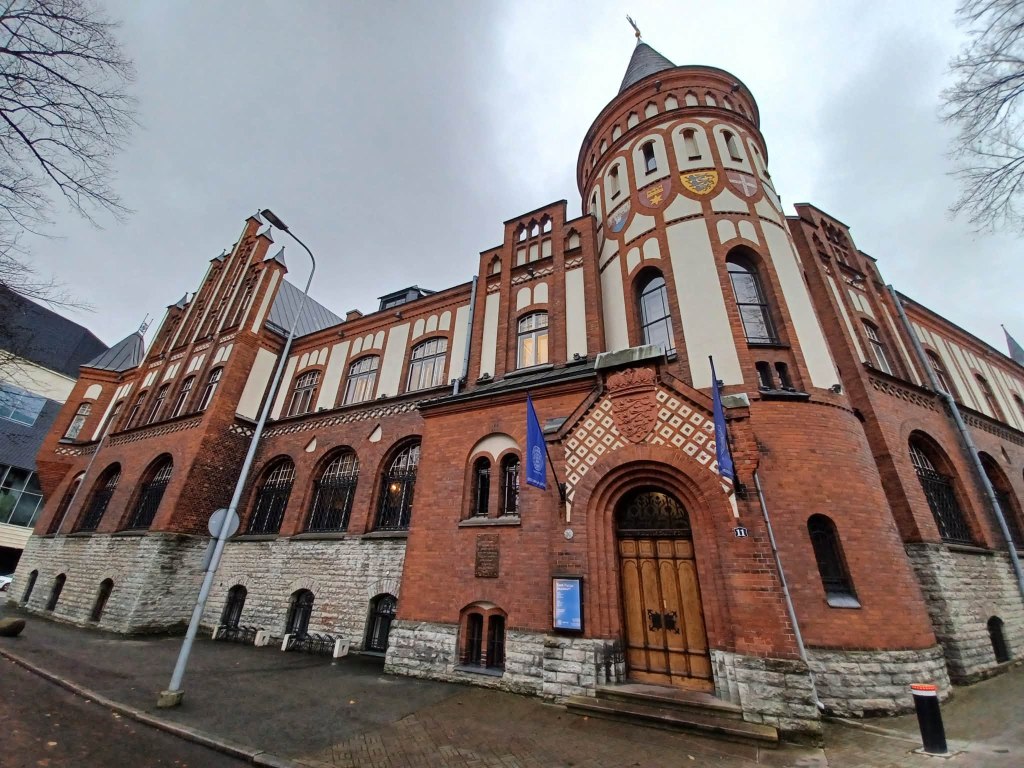
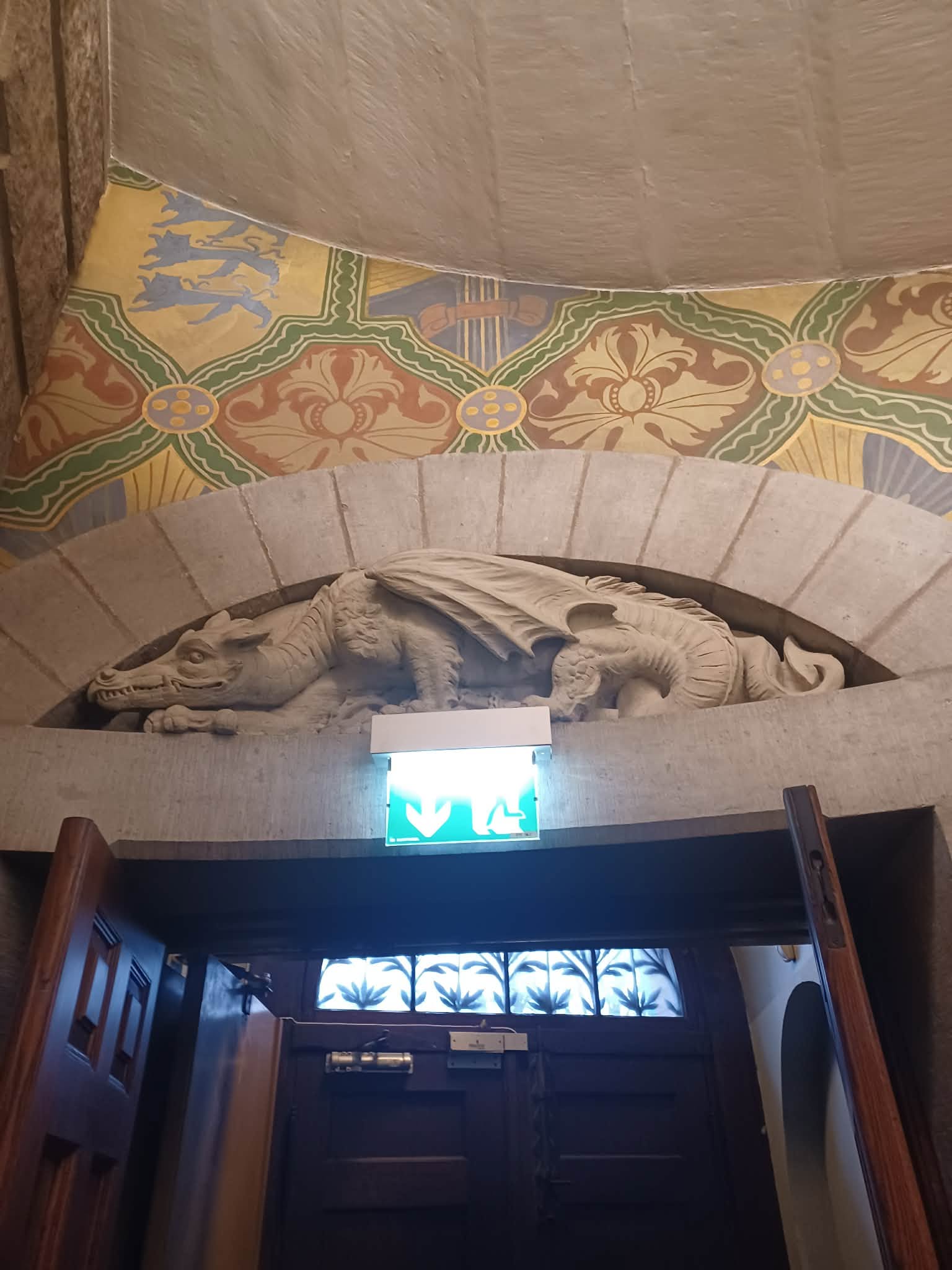
The museum itself is just found outside the city centre, about a 5 minute walk. It is an early 20th century brick and stone building which is typical of the style you will find in the Baltic countries, and Finland. As soon as you enter you are met with a beautifully styled spiral staircase leading to the first floor where the museum is. The Bank of Estonia museum is by far the most beautiful and charming museum I have had the luxury of visiting since starting this blog. Everything is decorated with paintings, designs, and carvings. There is even a small friend who greets and says goodbye to you above the front door.
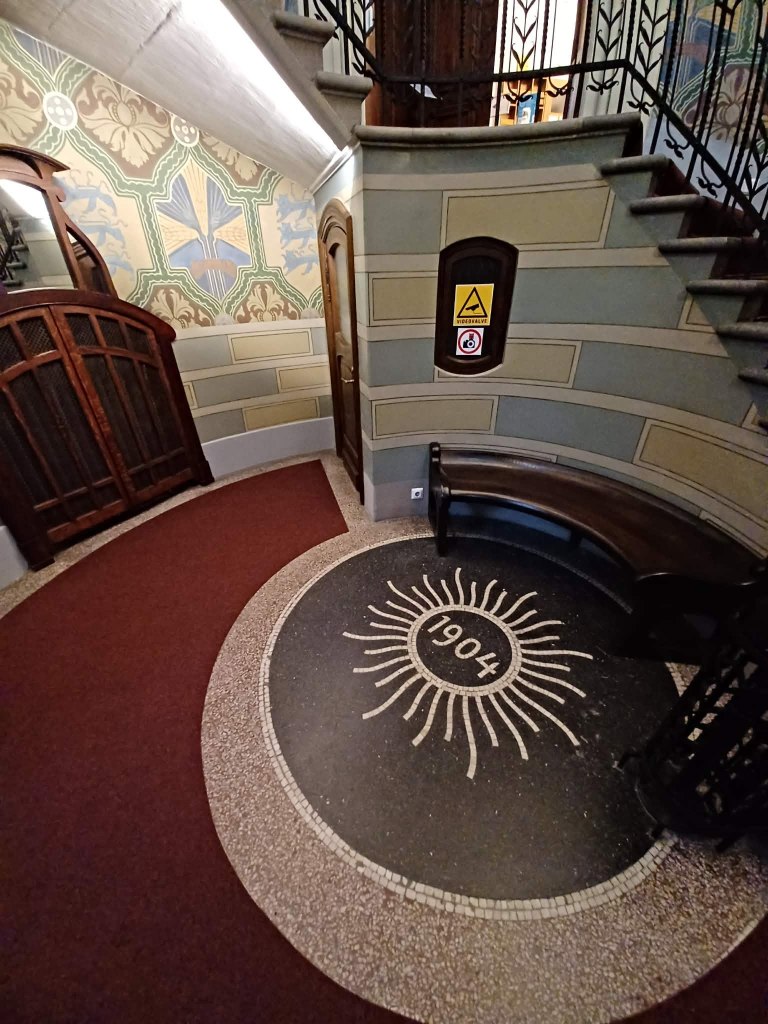
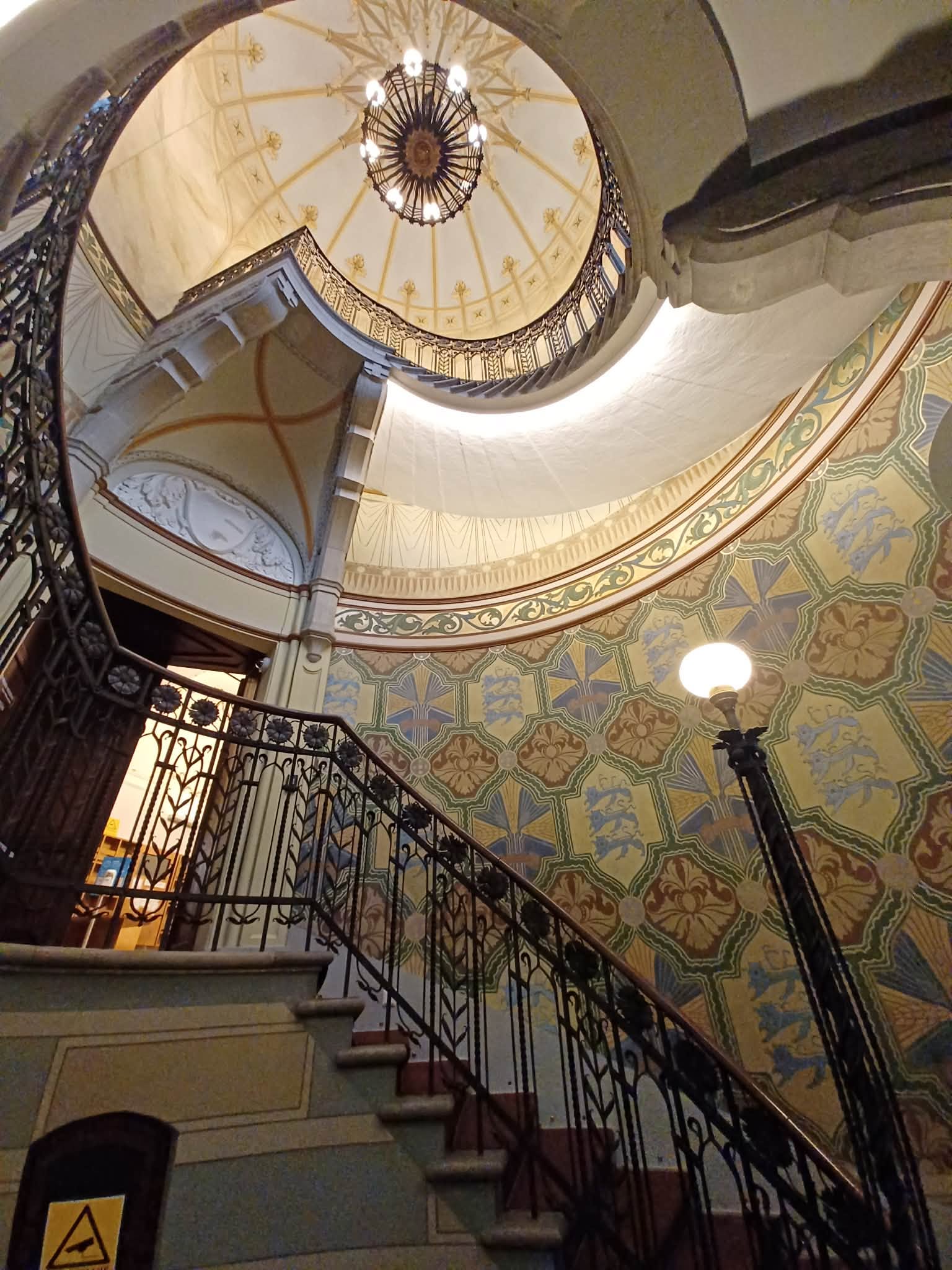
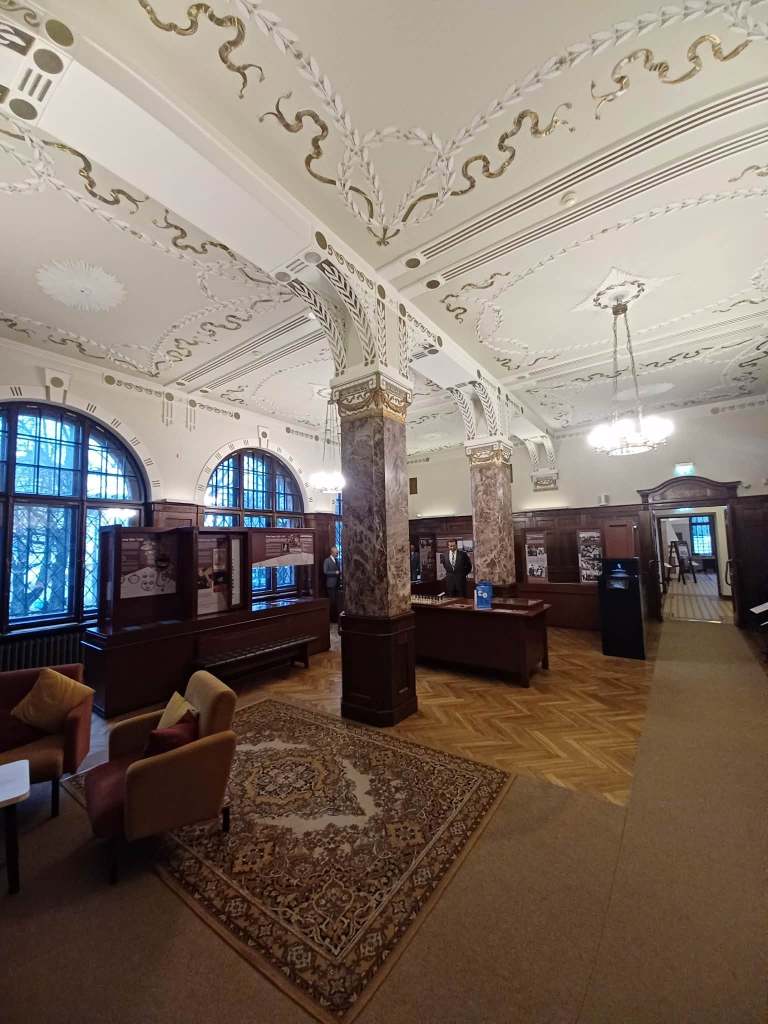
The museum itself is spread over three rooms (one being the shop), and the basement vault area.
The first room is the main exhibit space, and shows coins and banknotes from all over the world. Describing how coins are made, their security features, and the evolution of coinage through time. Of course much of the focus is on the history and development of the Estonian coinage throughout it’s long history. There are a few hands-on exhibits in the room with interactive screens which allow you to examine a curated number of specimens closely.
The second room looks at how banking works in the modern world, and discusses briefly how stocks and shares work in the wider world. Much of this room looked to be dedicated for school visits, as there were many chairs and tables set aside for hands-on activities.
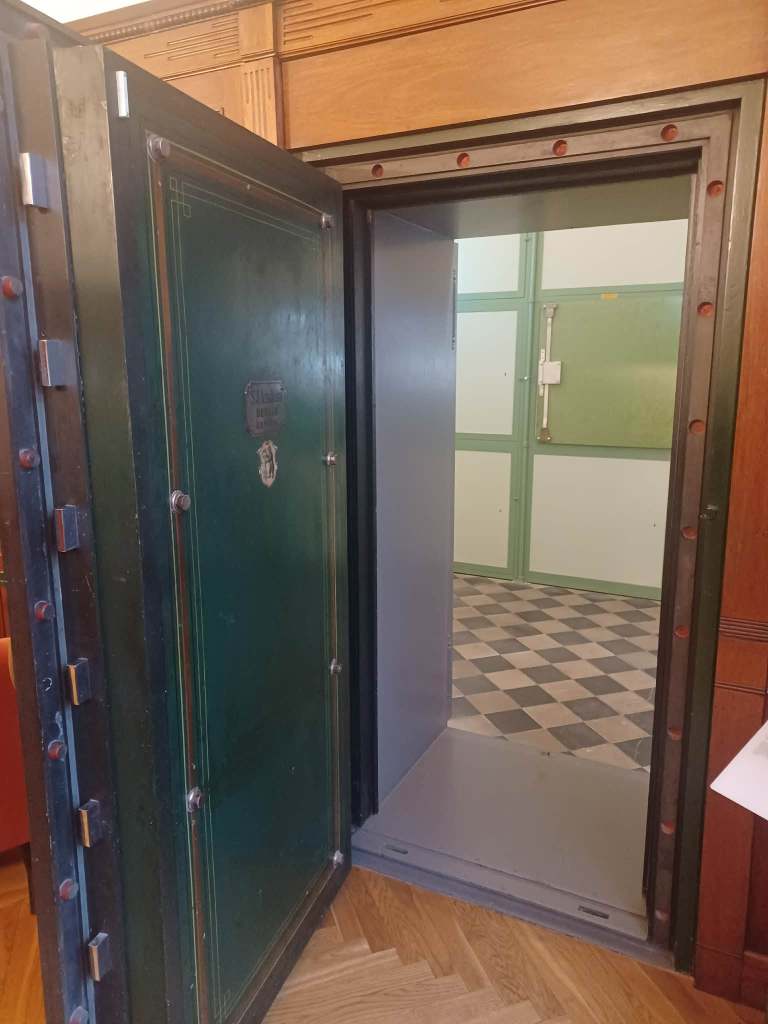
Entrance to the old vault of the museum was through the old vault doors, and is separated into two levels. The top level describes a little history of the Estonian national bank, but also the safety and security of keeping coinage within the building.
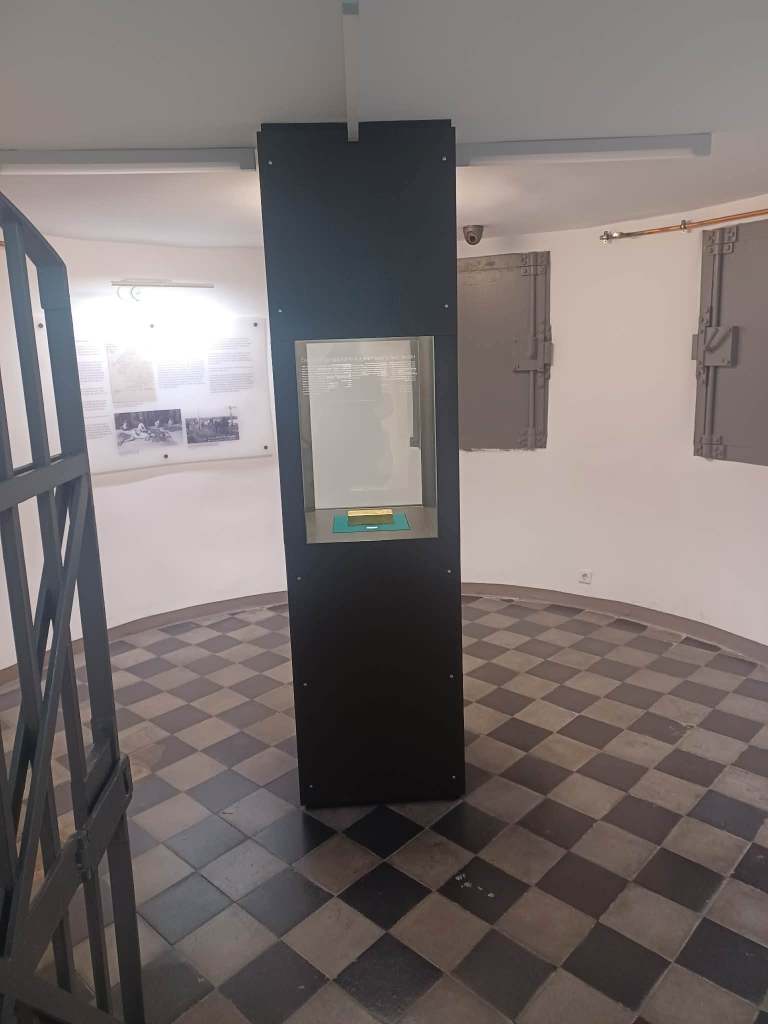
The second basement level was reached through a small narrow staircase down and leads to a small rounded room where much of the valuable gold was kept. Within this room there is a small display showing one of the original gold bars the bank handled prior to sending it to the USA for safe keeping before WWII. There is information about the use of gold in Estonia, as well as a small history describing the history of Estonia sending it’s gold for protection from the invading German, and then Soviet forces.
Overall, despite being on the smaller side of museums I have visited, the museum was very charming. Although the exhibits are small, they are well chosen and do contain a lot of information about the period they are portraying. With free entrance, it is certainly a museum I would recommend visiting if you are interested in the topic and you are in the area.

