Museu do Dinheiro

Following on from my last post, there was another money museum I visited during my hiatus from this blog.

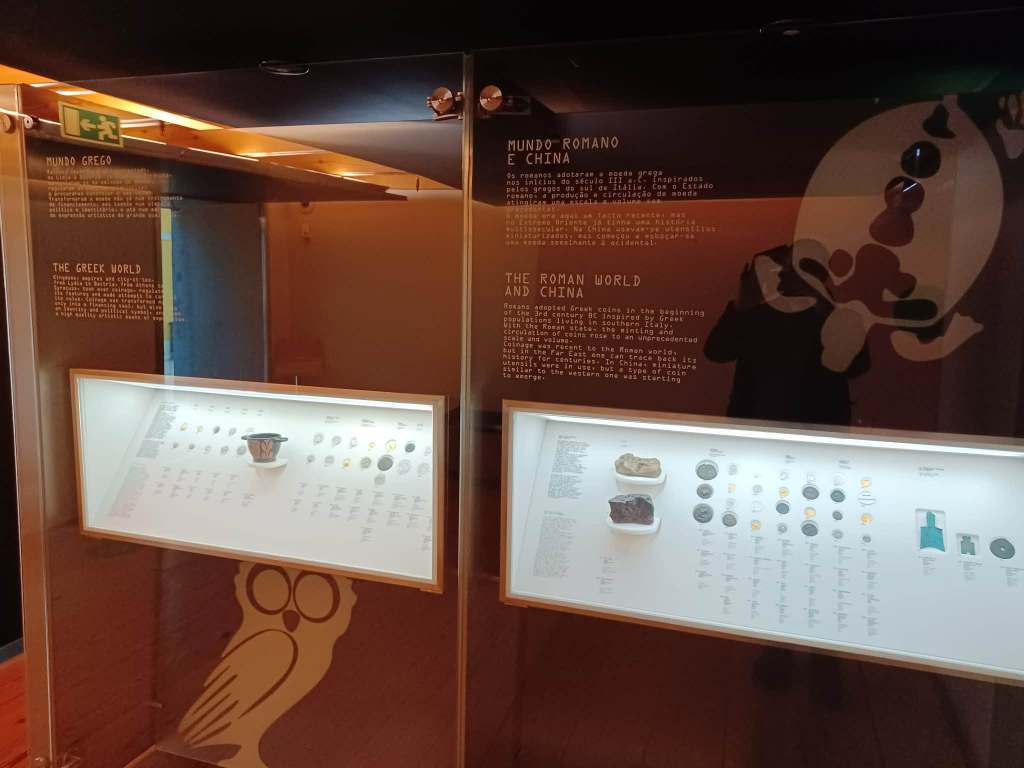
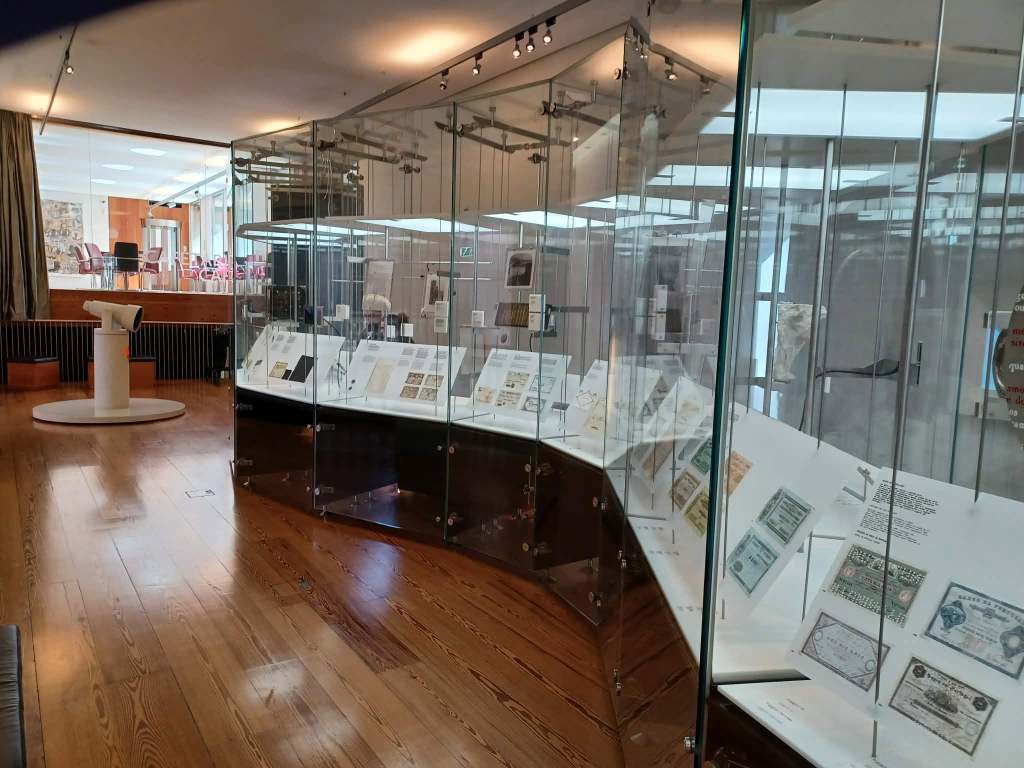
Back in March I visited Lisbon for my birthday, and near to the seafront there is an old baroque-era church which has been converted to the Museu do Dinheiro (or Money Museum for those not fluent in Portuguese).

Granting free admission, once through security, you enter a large space reminiscent of it’s old ecclesiastical heritage. Open and bright, the interior space of the museum gives an air of relaxation as you wander around. The sense of scale makes the experience feel like there is much to see. Although, the entrance hall does seem underdeveloped and feels a little empty.

The museum is spread over multiple floors, and you are first guided to the ticket desk where you are provided with a brochure, map of the museum itself, and your free admission ticket (more on this later). This also doubles as a shop, and there are many commemorative coins on offer which you can purchase at fair prices.
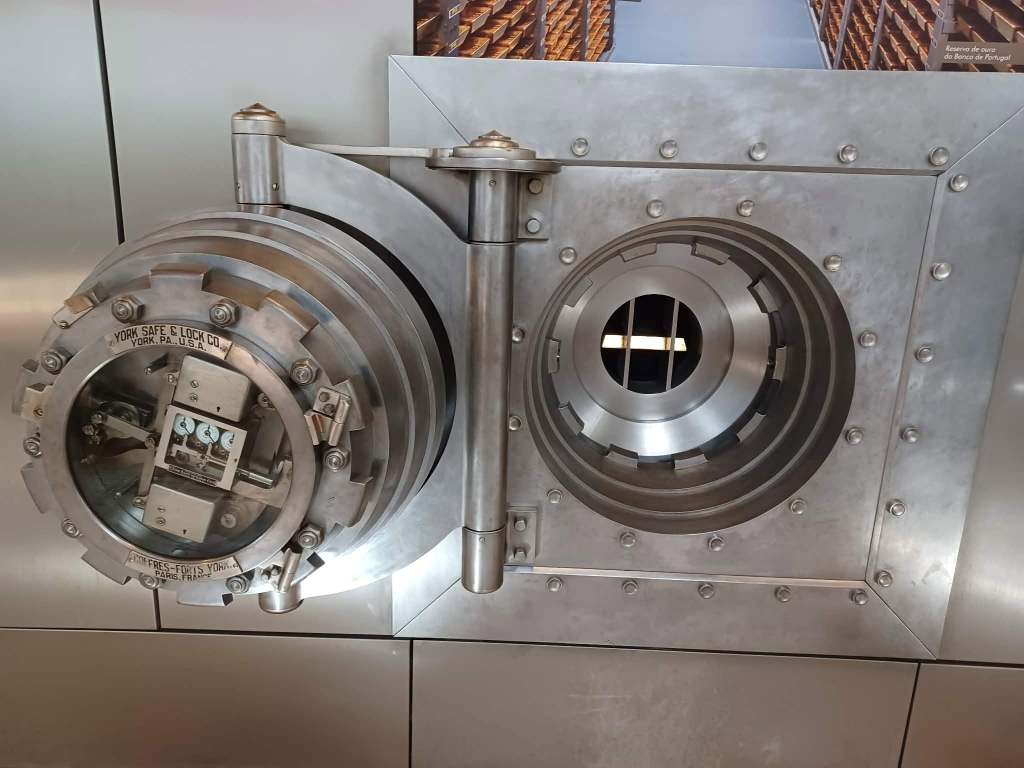
Off to one side you will also see a large vault space which, like many money museums have done, sits a solid gold bar where you are challenged to try and lift it one handed.
The museum itself has a set path for you to follow (very similar to the Geldmuseum in Frankfurt) starting off with the simplest of questions, “What is money?”. The route guides you through the idea of money, how money has been used to pay for goods and services, until eventually on the 1st floor it begins to tell the origin story of money. Using examples from around the world the museum asks the visitor to explore their own understanding of how we perceive coins and money itself.

As part of the free admission ticket, you are granted a unique barcode which allows you to interact with many of exhibits within the museum. These range from games to logic puzzles, and task you to reason out why money has developed the way it has. At some points later in the exhibition you are able to have fun with the making of money, and even have your face put on an old Portuguese banknote.
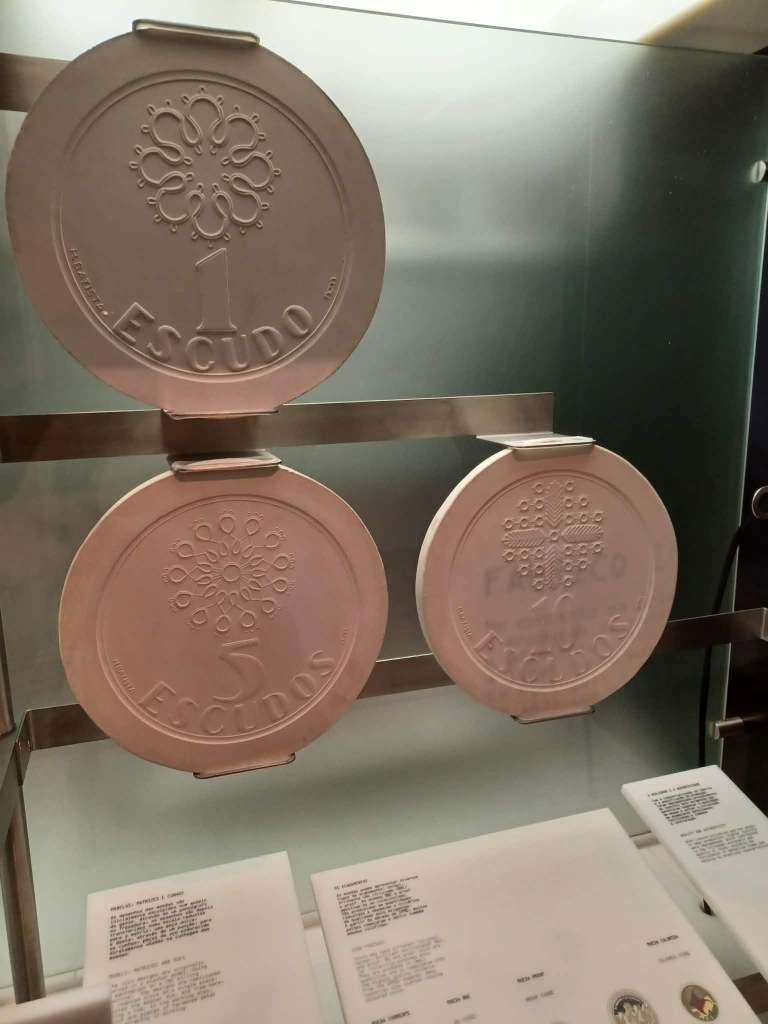
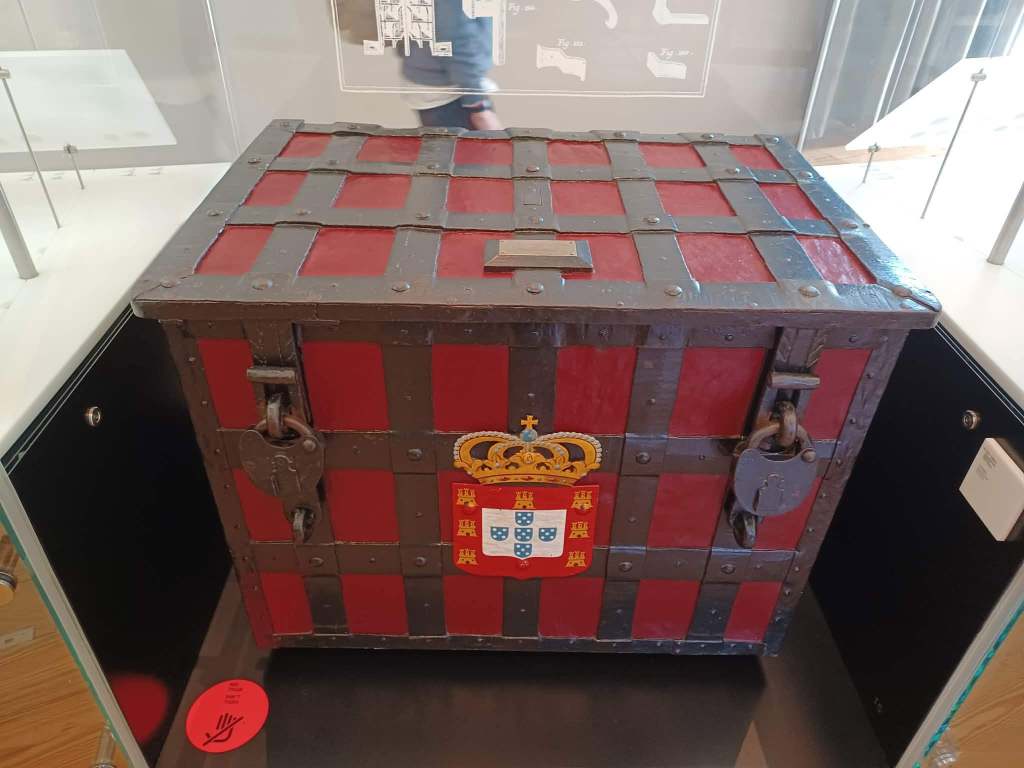
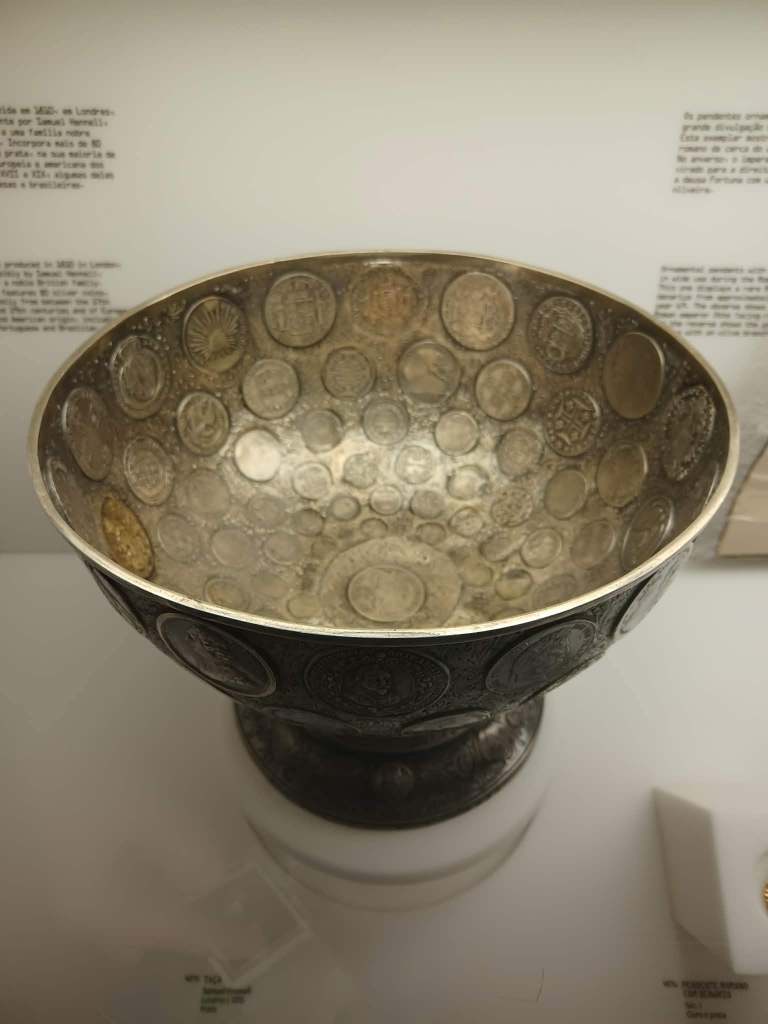
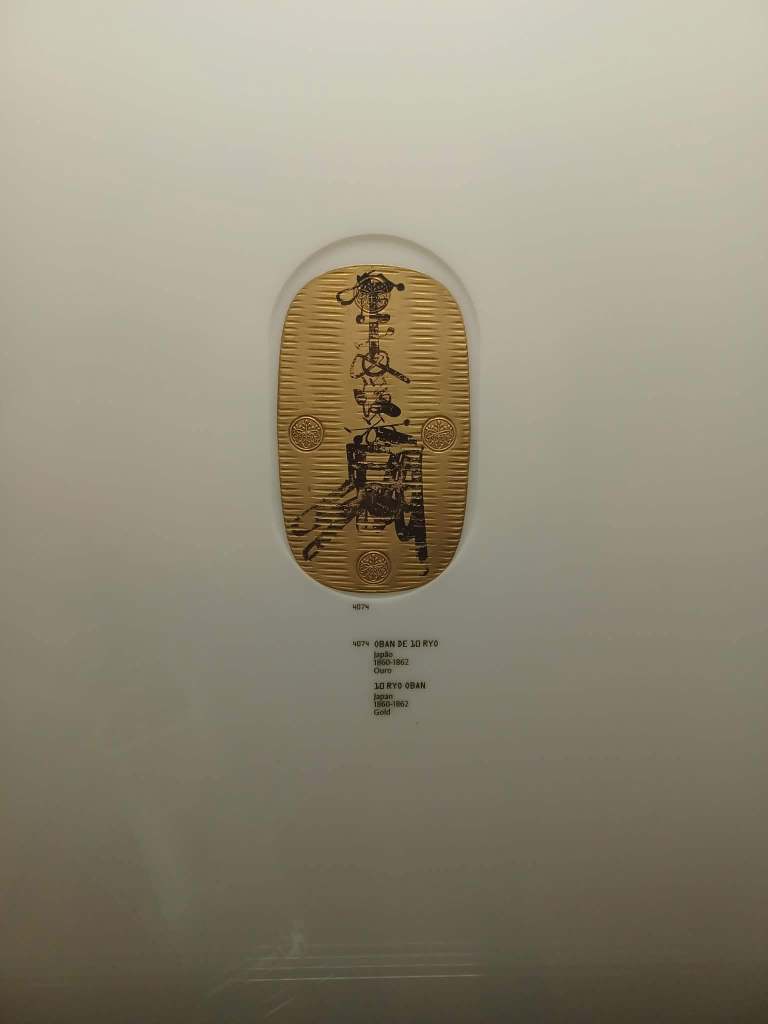
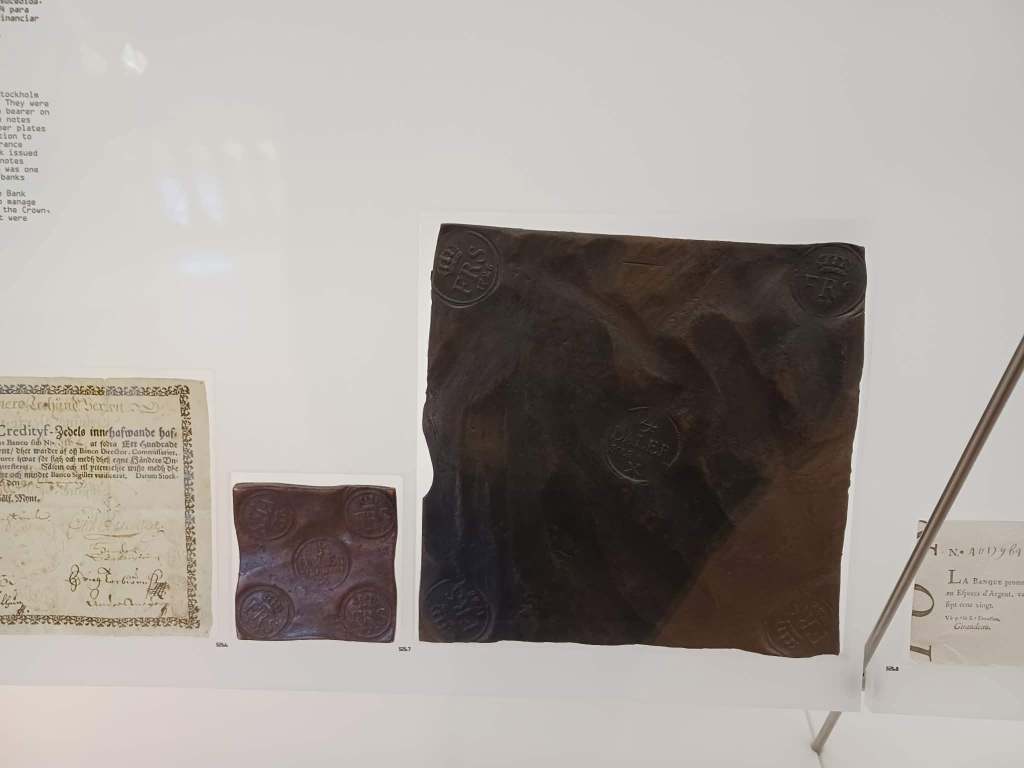
As you wind your way through the path set for you, eventually you come across how coins have been used during the history of the Portuguese state, and it’s colonial empire. Many examples are on show, and there are some parts which show how the money was made in the past. The museum also has a few exhibits on how Portugal’s modern Euro currency is used and produced.

The final part of the museum looks how money affects the wider economy within Portugal, how banking procedures and policies can affect people’s lives, and what controls governments have to affect and effect such policies.

Overall, the museum was well worth the visit. Several hours can easily be spent here with no sign of boredom to be had. With free admission as well I cannot see a reason not to go.
Collection update October ’17

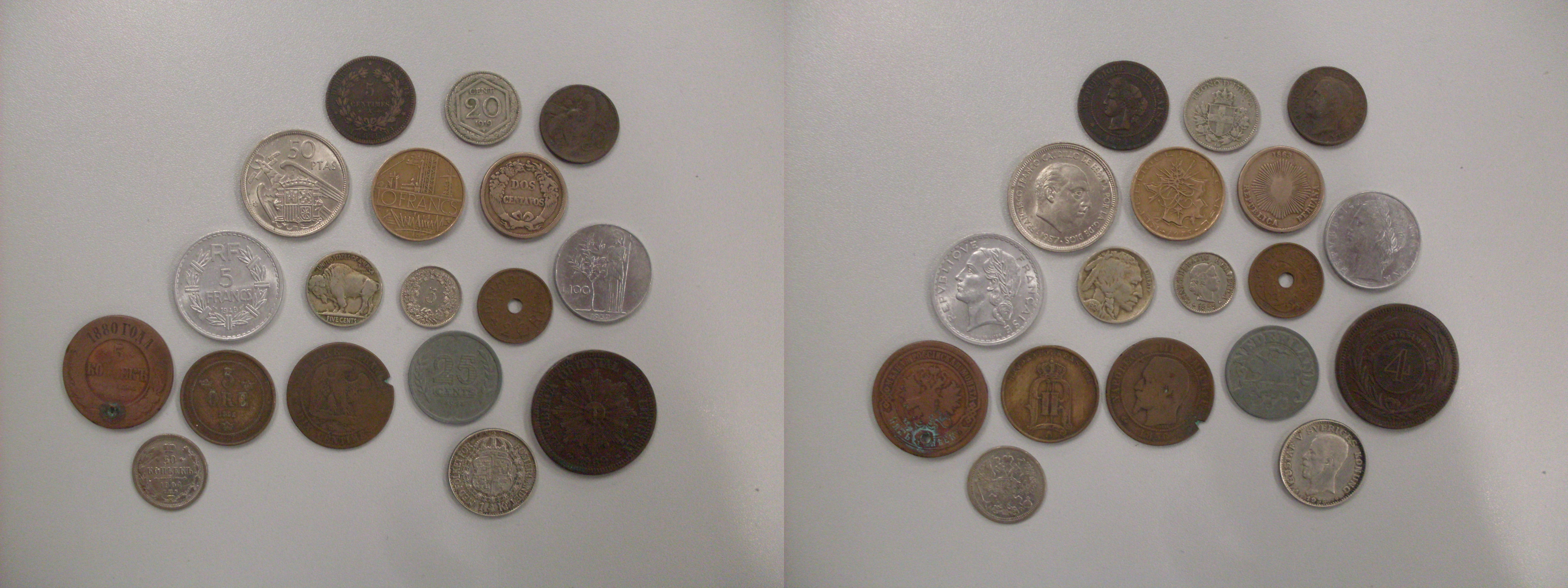
My acquisitions this month hail mainly from Europe and the Americas.  There is also a strong theme of colonialism and empire as many of the coins I have gotten date from the 19th and early 20th centuries.

imgonline-com-ua-twotoone-wibPS52IzBkPlr

Several of the coins were in very good condition, like the Uruguayan 4 Centesimos, and the Swedish krona in the bottom right corner of the pictures.  I was also pleased with silver Russian coin on the bottom left as it is the first non-copper Imperial Russian coin I now own.  However, a couple of the coins in the next picture are what I wish to focus on this month:

imgonline-com-ua-twotoone-SlSlq9mi3COZzz0U

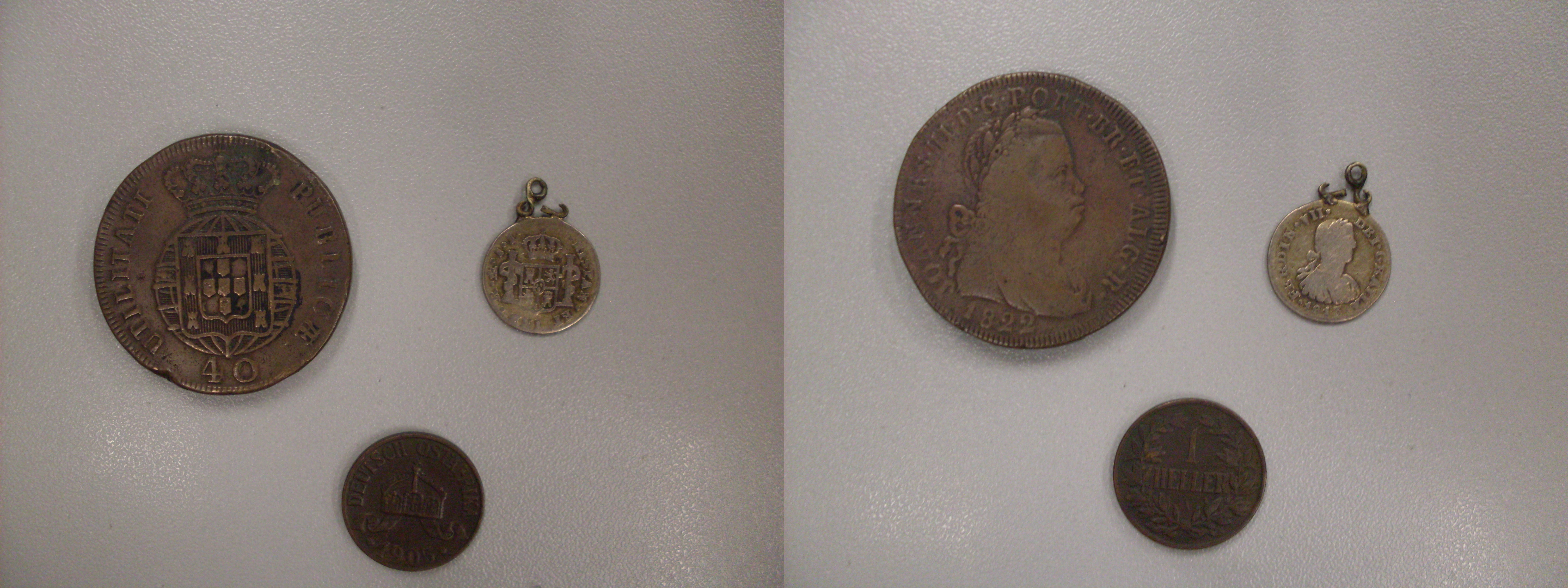
Starting from the top left we have a Portuguese 40 reis, a Mexican 1/2 real, and a German East African heller.  The Portuguese coin dates from 1822, and is a significant date in the history of Portugal.  During the previous year (1821) the current king, John VI, had previously returned from exile in Brazil due to the Napoleonic Wars and subsequent revolt and revolution.  He was invited back to Portugal to reign as king, but due to a shift in political thinking and demands made during the previous revolution, John was forced to sign a new constitution handing over several key royal perogatives to the newly formed government.  He did, but his wife refused resulting in her being stripped of all royal and political powers.  The following year, Brazil declared herself independent from Portugal, and John’s son Pedro crowned himself emperor of the newly independent empire.  It is said that whilst in exile in Brazil, John showed a hint of prescience and told his son that Brazil would soon become independent and he should declare himself as ruler before another adventurer does.

The Mexican coin also has it’s roots in colonial empire, and also can be linked to another struggle for independence.  The coin dates from 1813 when Mexico was still a colony of Spain.  However, three years prior to the minting of this coin unrest spilled into violence as a revolt led by a priest called Hidalgo rose up against the injustices suffered by the poor of Mexico.  This resulted in protracted fighting and violence between Mexican revolutionaries and the Spanish imperial administration.  In 1811 Hidalgo is captured by the Spanish army and executed, and is succeeded by José María Morelos.  Who in 1813 convened the Congress of Chilpancingo which issued the first formal declaration of independence for Mexico.  Fighting would continue for a further 8 years until on the 27th September 1821 Mexico would gain her independence as a new empire under the name of New Spain.

Finally we have the German East African Heller.  There is nothing special in regards to this coin, but I wanted to include it as it is the only coin from Africa I received in this small collection.  It also fits the over-arching theme of colonialism and imperial powers this blog post has decided to explore.  Sadly, this coin does not have ties to any independence movement.  In 1909, German East Africa comprised of Burundi, Rwanda and parts of mainland Tanzania.  These regions under German control suffered much like the rest of Africa under the colonial powers, with harsh regimes and indifference to the native populations.  Several revolts were put down during the German administration with the last in 1907. Control of the colony was sunsequently split between the British and Belgians after Germany’s loss in WWI.  The regions themselves would not gain independence from imperial administration until several decades after WWII.