I am on the last leg of my holiday, and I am in the city of Luxembourg
I thought I would start out by visiting the Bank of Luxembourg, as it supposedly had a small exhibit and shop open to the public. It did, but the exhibit was a small area with 3 tables explaining briefly the history of Luxembourg’s coinage. Something which took me about 15 minutes in total to examine and read through.
Feeling a little disheartened I went to the History and Archaeology museum and was delighted to find they had a gallery dedicated to numismatics.
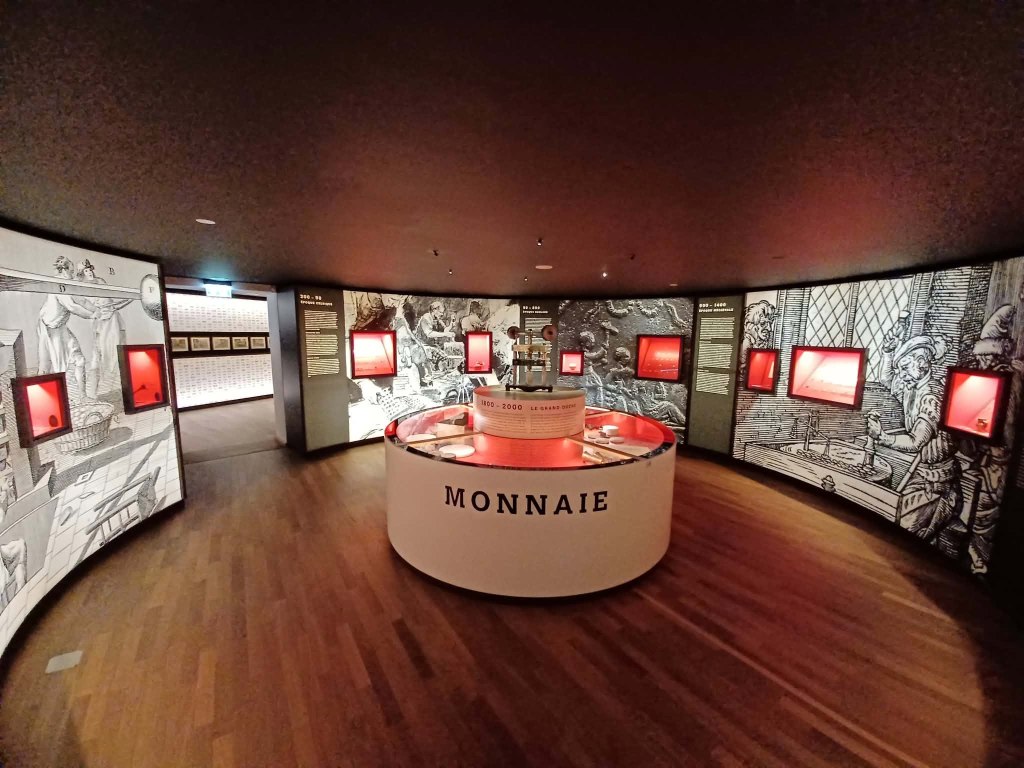
Taking up one half of a floor in the museum the gallery aims to explain the history of money within the region of Luxembourg itself. Starting with the Celtic tribes in the area, through to the Romans, and the Medieval period.
The exhibit works it’s way through the history of Luxembourg, eventually moving to the country’s first minted coins when it gained it’s independence after the Treaty of London (1839) and eventually culminating in the adoption of the Euro in 2002.
Many of the pieces on show are from the Luxembourg region only, with those coins minted outside of the area only shown as they were found as part of hoards or specific events to tell the story of the country.
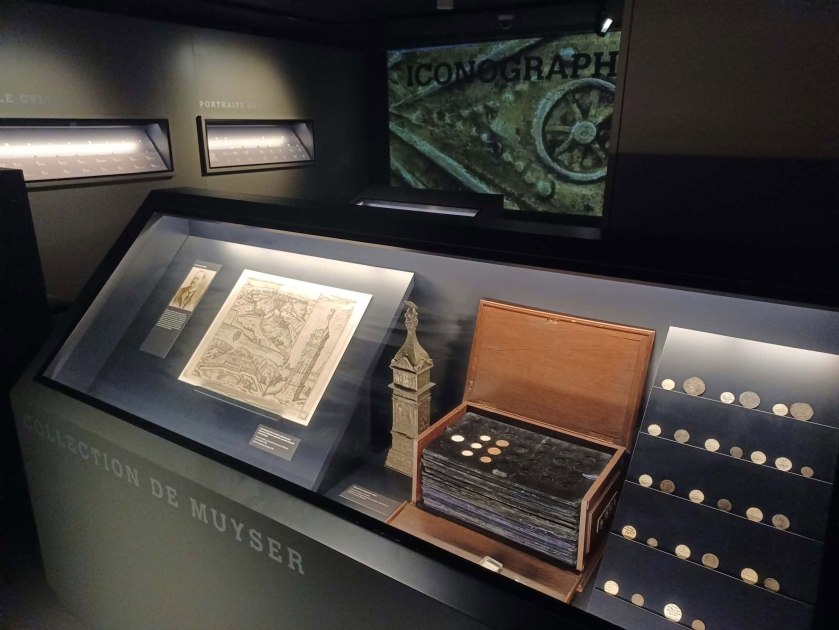
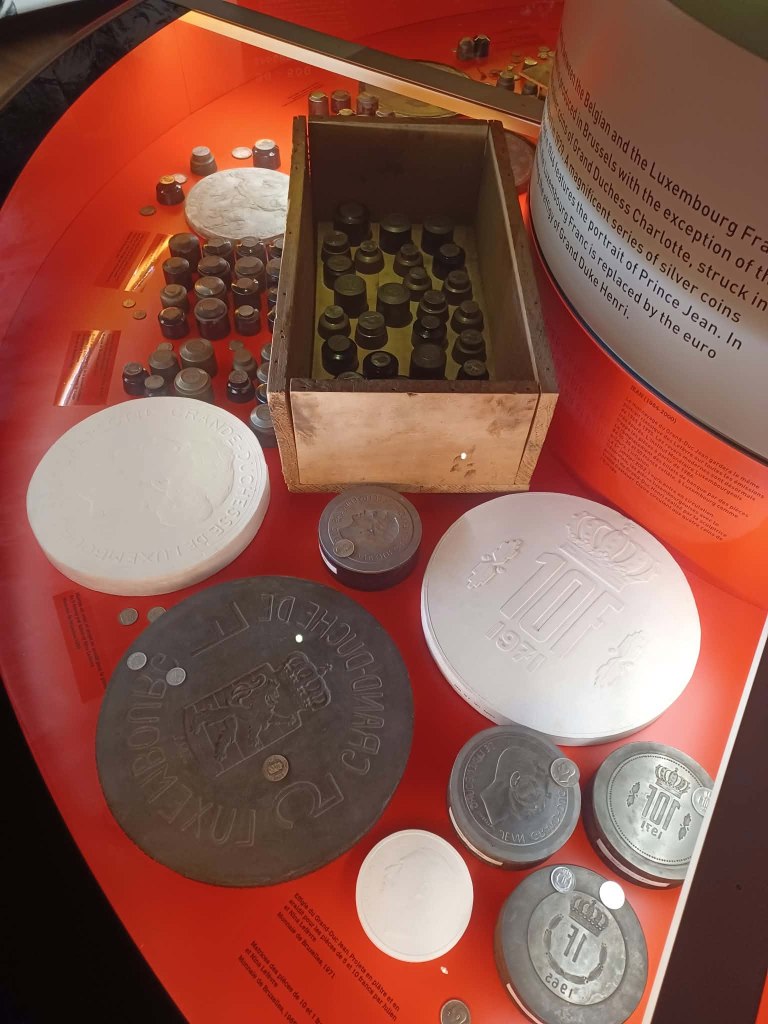
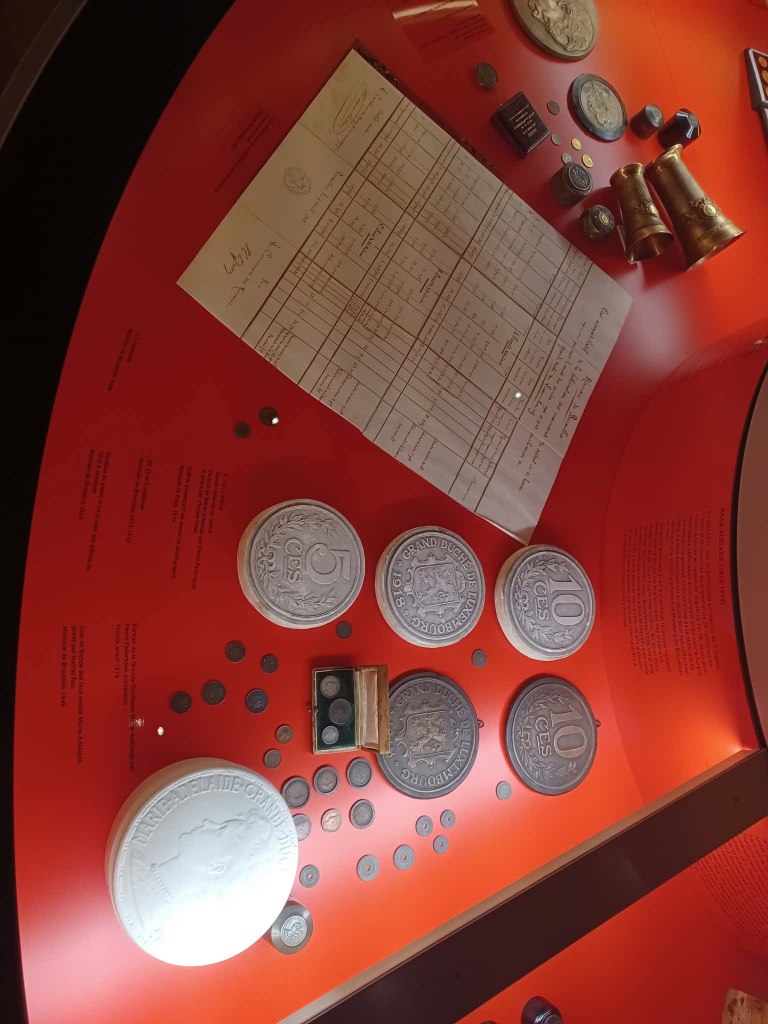
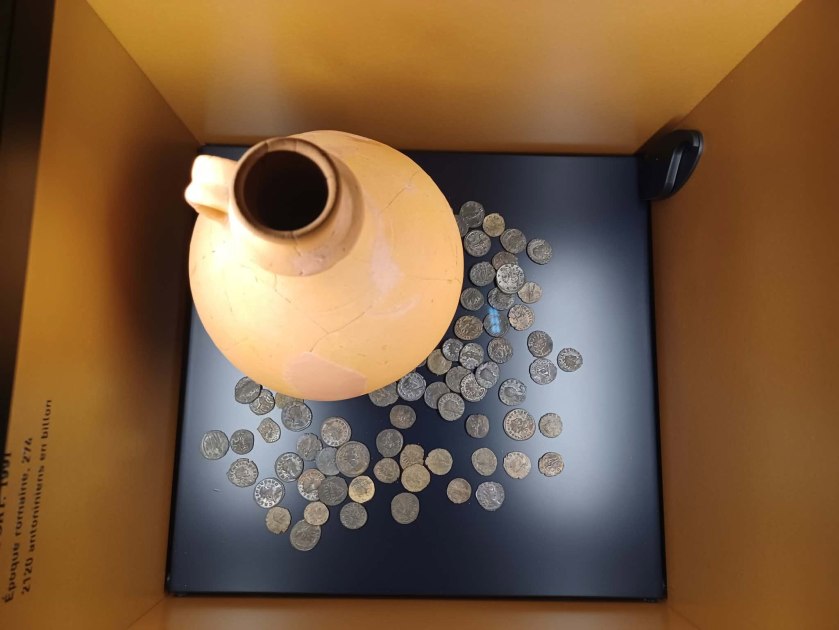
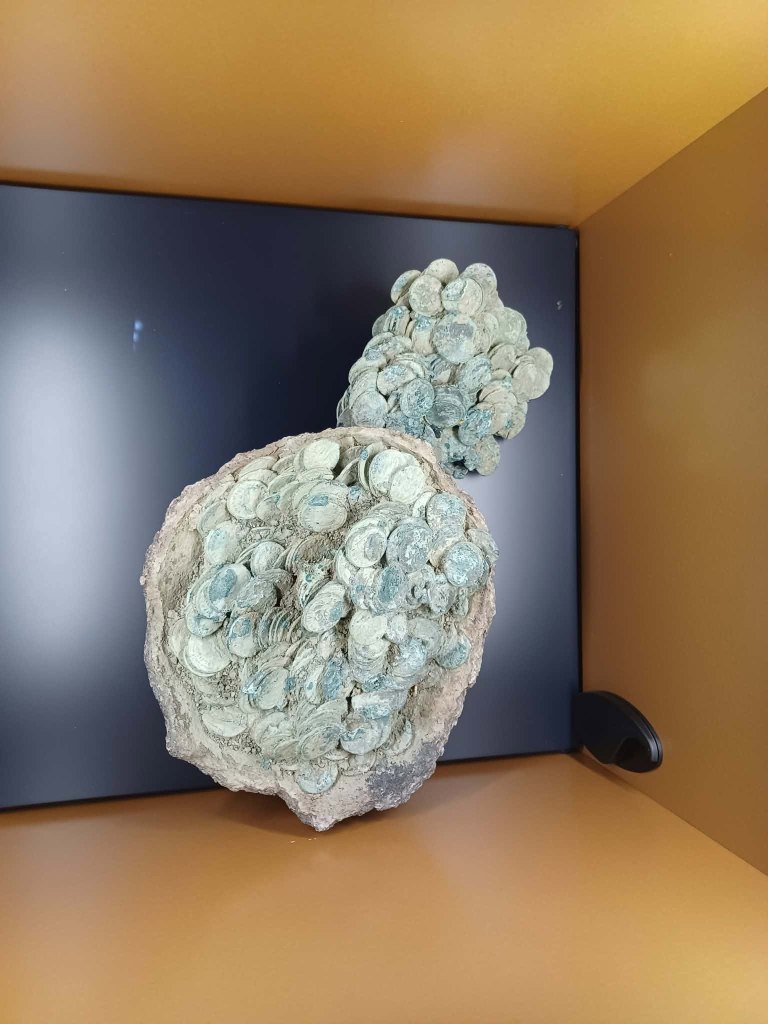
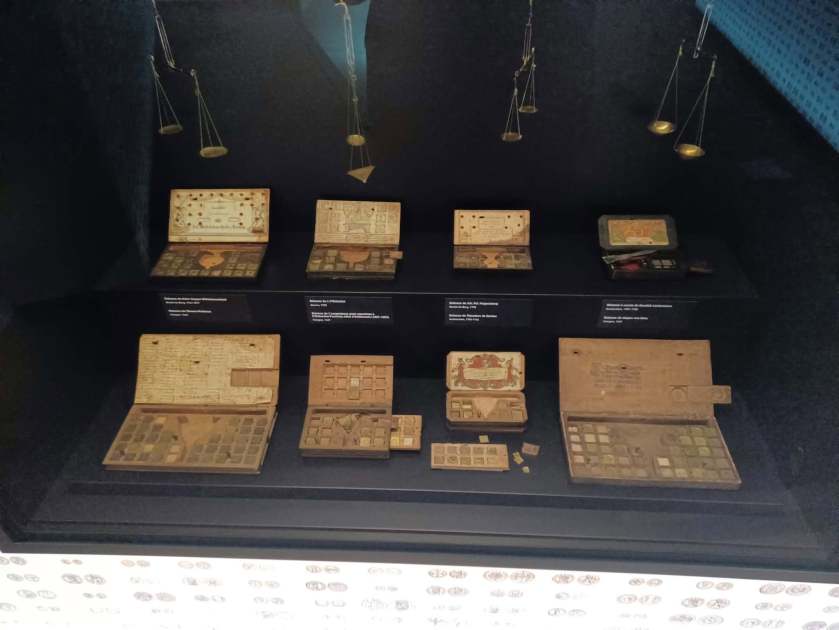
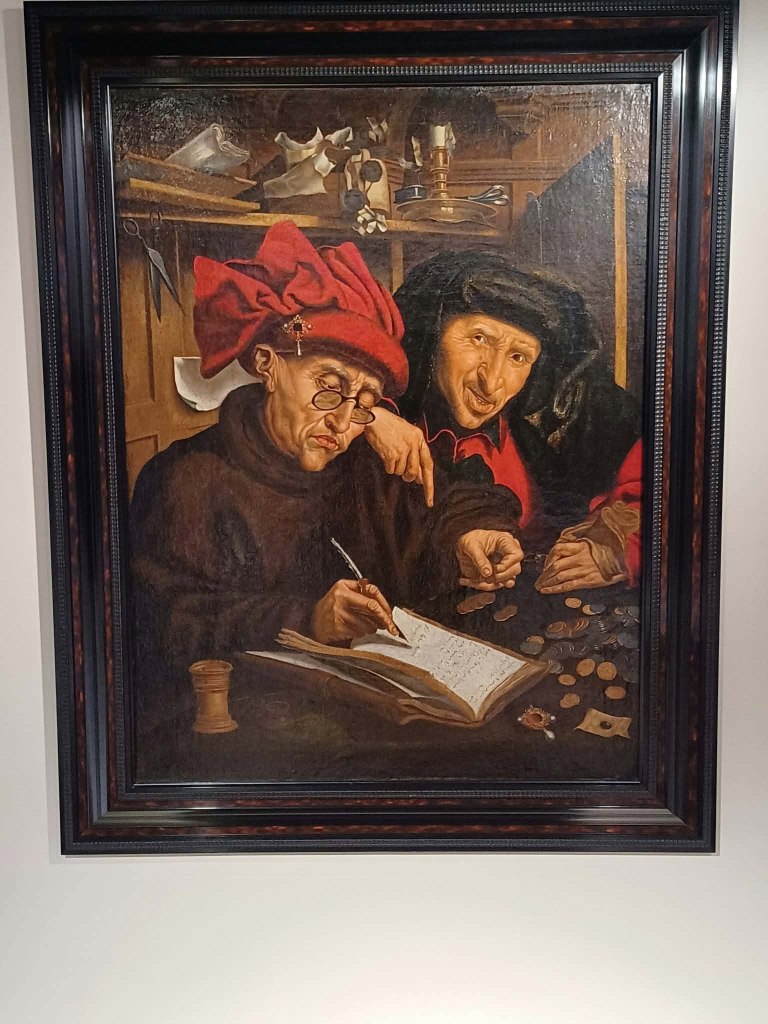
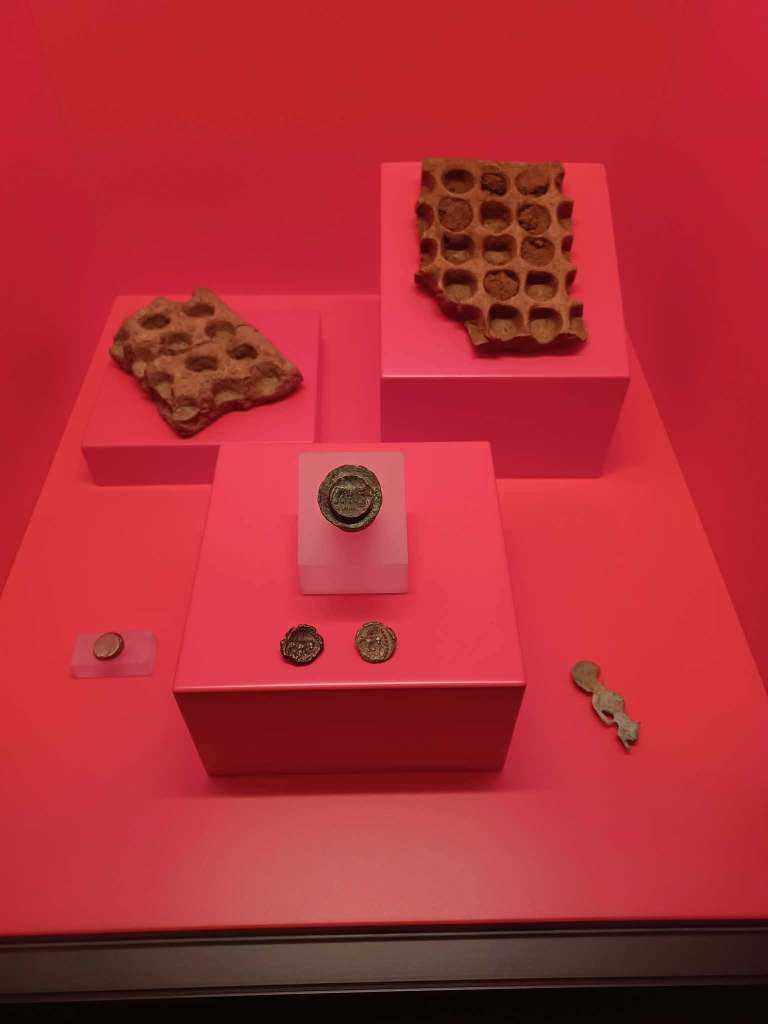
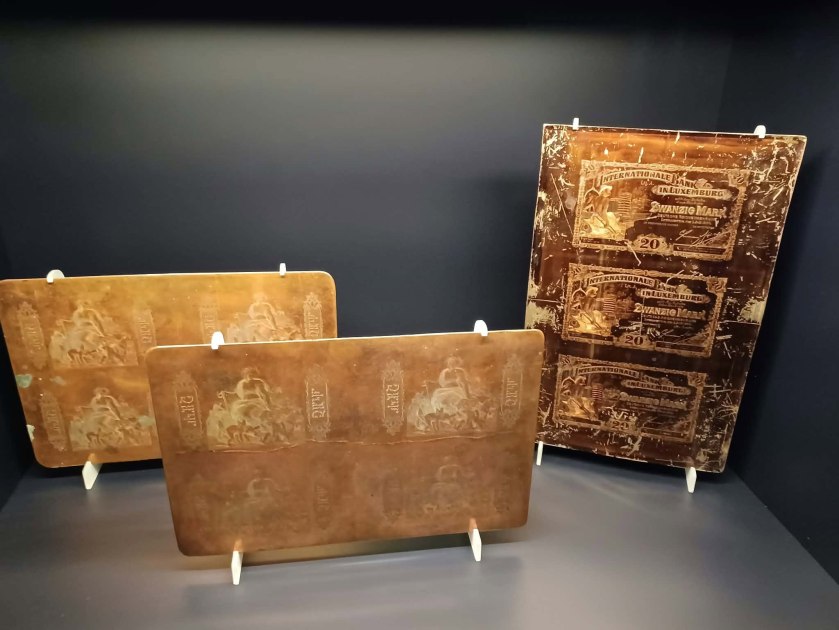
Unusually for a coin gallery, there was no exhibits explaining how anti-counterfeiting measures were included in the coins and banknotes issued by the Country. There was a brief showing of how coin and banknotes were made and minted, but the main focus was on the history of coins in Luxembourg itself.
Overall it was an interesting experience to wander the exhibits in the gallery, the only downside is that much of the information was solely in French. There were some museum signage which was in dual French/German which allowed me to understand the general gist of what was trying to be said (due to my very limited rudimentary knowledge of German); and rarely there was some English signage as well.
It is definitely worth a visit, as many of the other exhibits in the museum are worth it on it’s own. The huge selection of Roman and Celtic artefacts on display made me spend more time than I normally would in a museum, and the cost of 7 euro for the entry ticket was an absolute bargain compared to what some museums charge you for entry.

