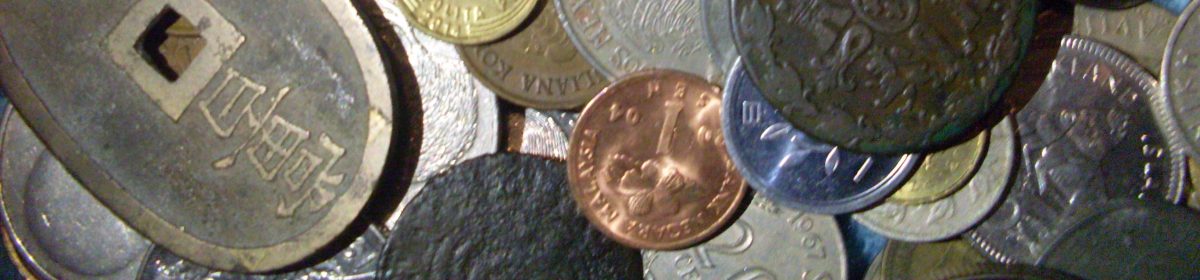
This week I am in the Netherlands enjoying a nice break from my soggy island exploring the country and visiting some long time friends.
During this visit I had a chance today to visit the National Bank of the Netherlands museum. A small museum found in the southern outskirts of Amsterdam.
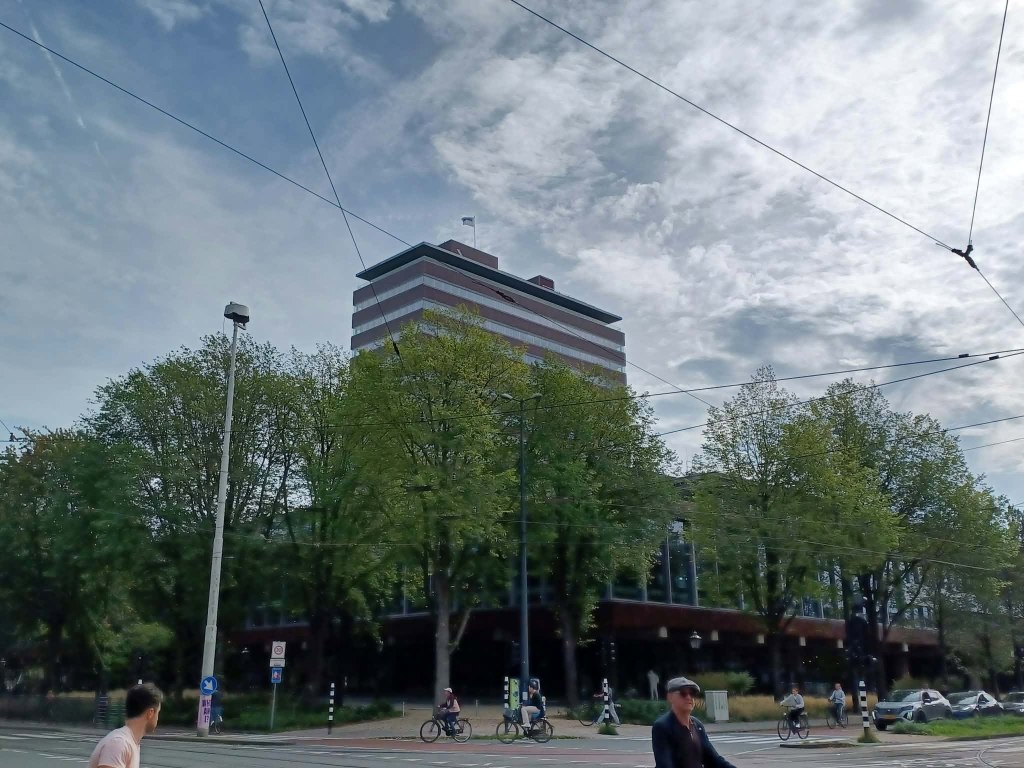
Whilst the bank itself is a large, but not a particularly attractive looking building, the museum only takes up a small part of the building in the basement areas. Free to enter, you are immediately greeted by friendly staff who guide you on where to access the exhibits, away from the more important and sensitive areas of the bank.
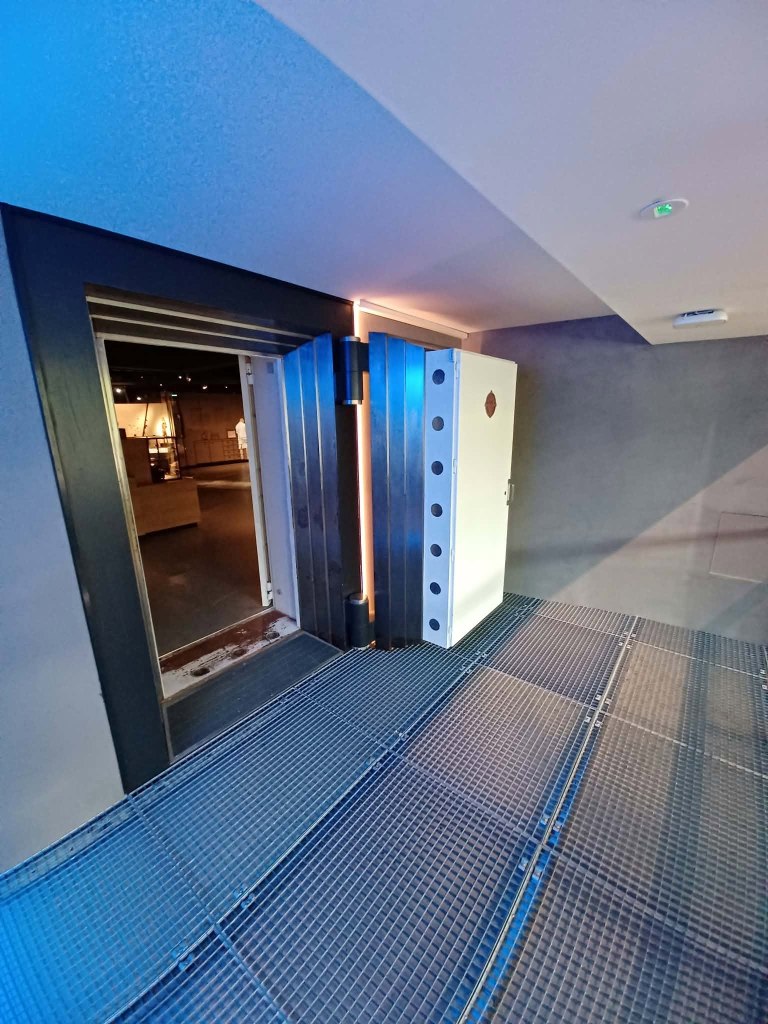
The museum is split over two floors, with the first sub-basement floor having exhibits in two of the old minor bank vaults. The second sub-basement floor is the old bank vault which housed the Netherlands’ gold supply until it was moved to a new location elsewhere within the country.
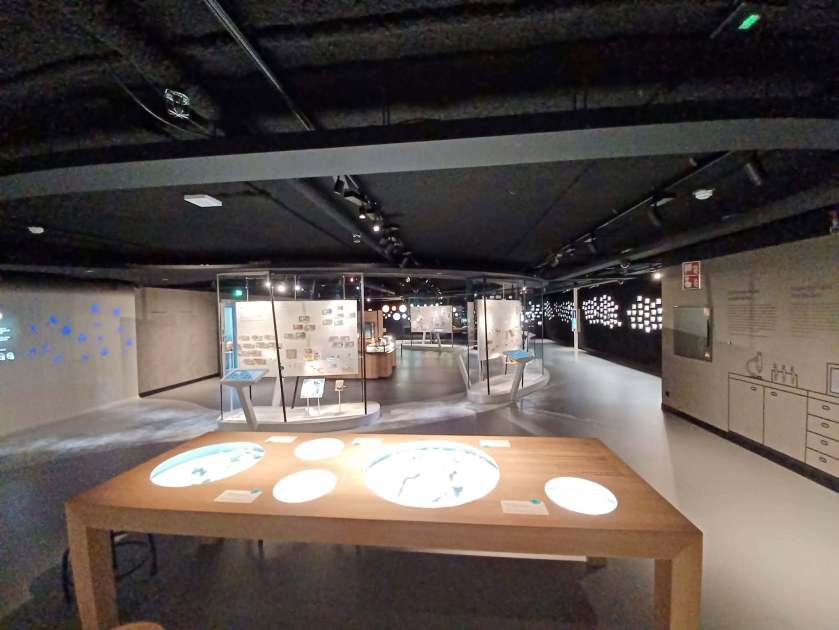
The two exhibits on the first sub-basement floor is split into two sections. The first explains economic theory and how banks handle the economy and deal with any potential crises which may arise. Much like the Geldmuseum in Frankfurt it is a very dry section of the museum, and although there is interactive games which can be played, it is probably geared more towards the educational side for schools than anything else.
The second exhibit looks at money itself from it’s earliest origins to the present day, and how money has been used for a variety of reasons. It also explores different forms money has taken place, and the potential reasons why these items came about.
Finally, this second section also looks at the formation of the Dutch bank, and the currency used within the Netherlands since it’s creation as a country in the 17th century. Many of the exhibits which, have wonderful explanations of the artefacts on show to effectively explain the points being made.
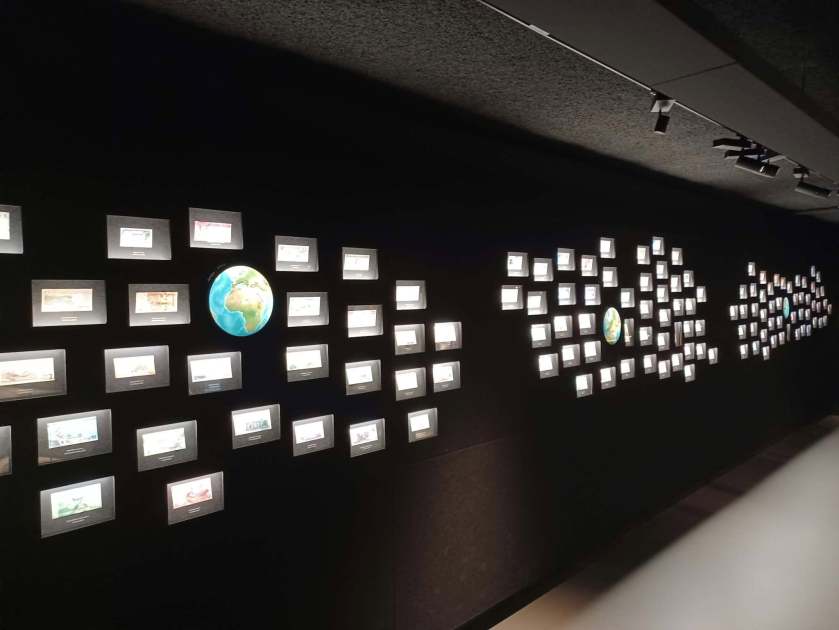
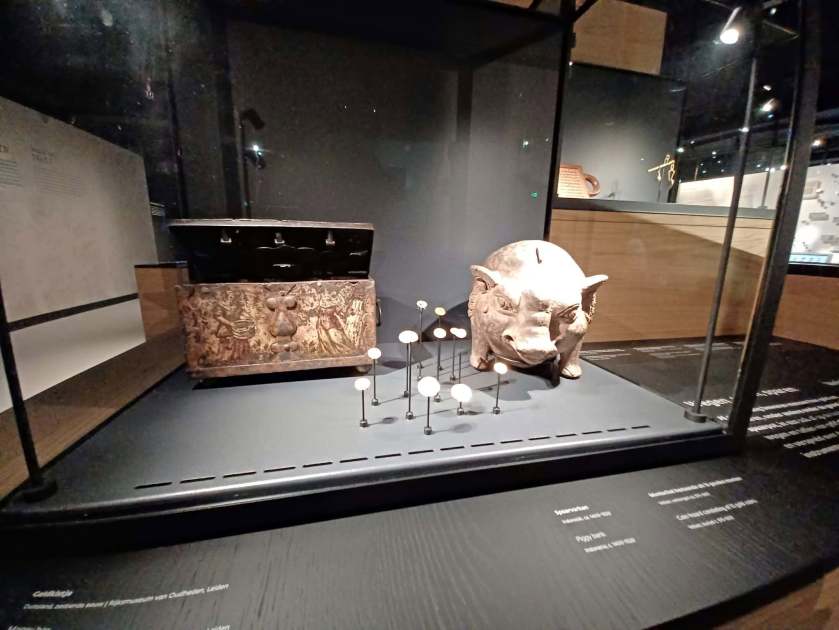
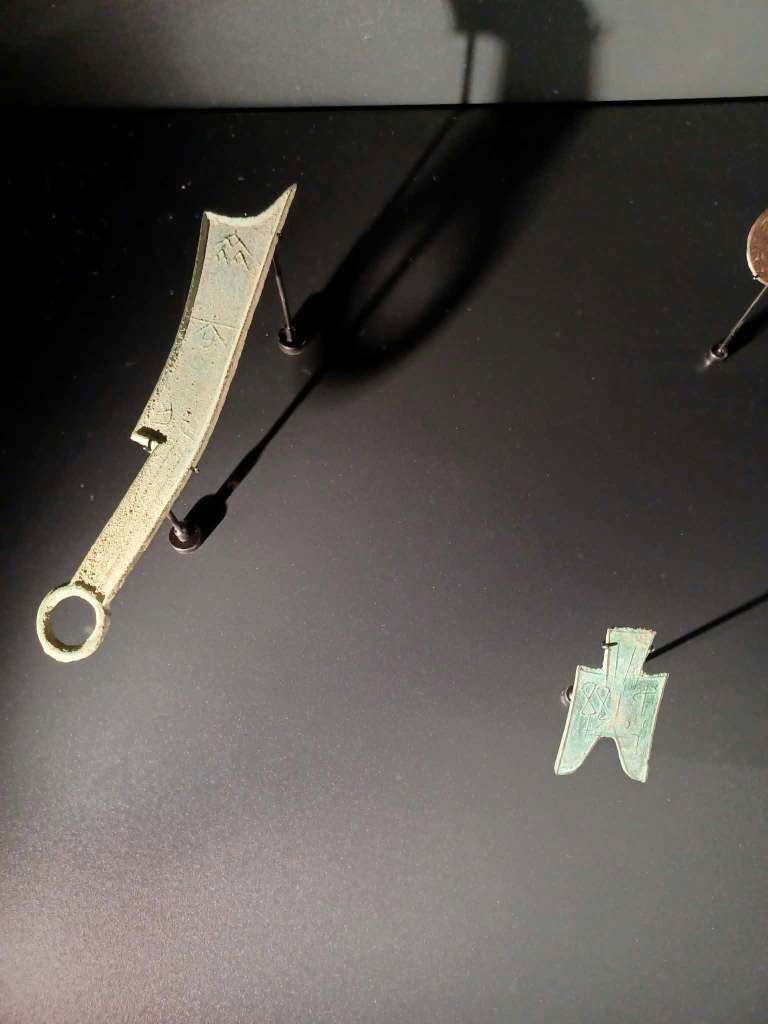
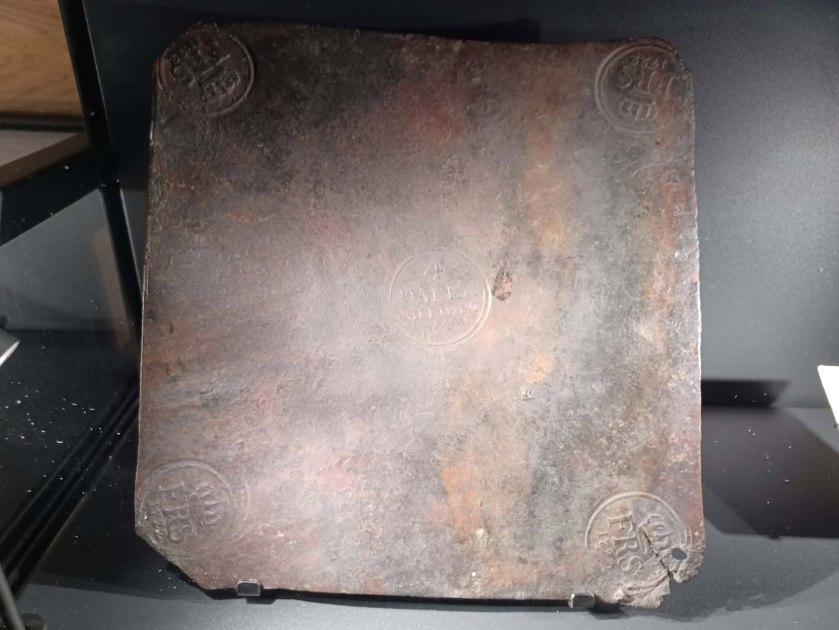
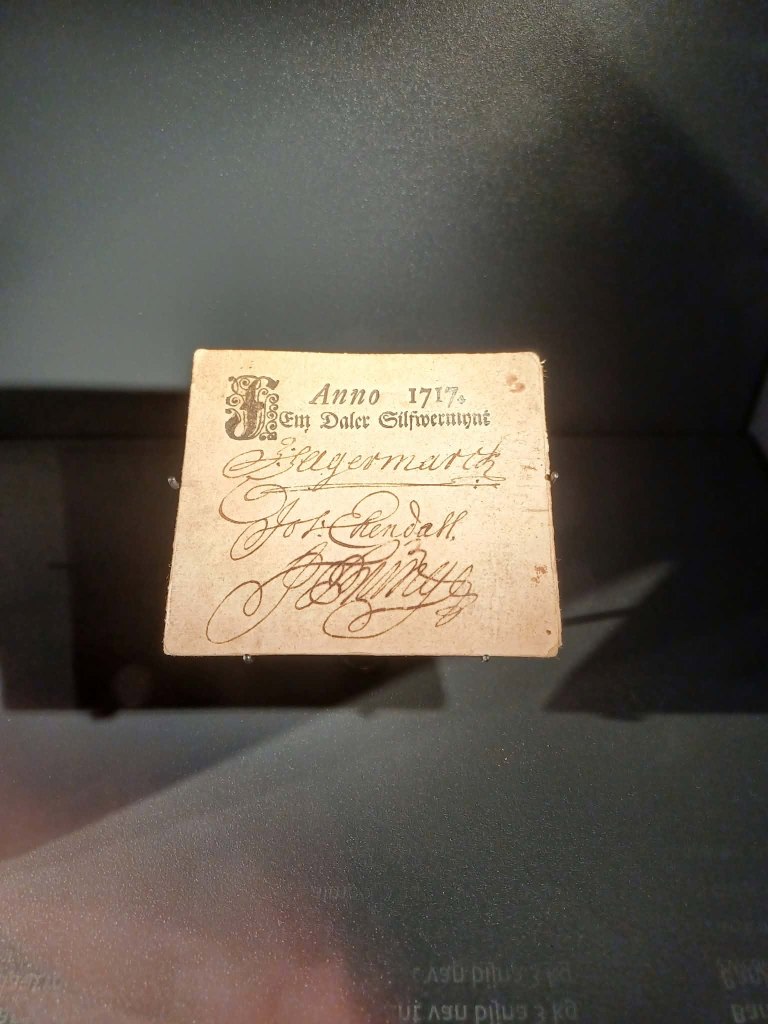
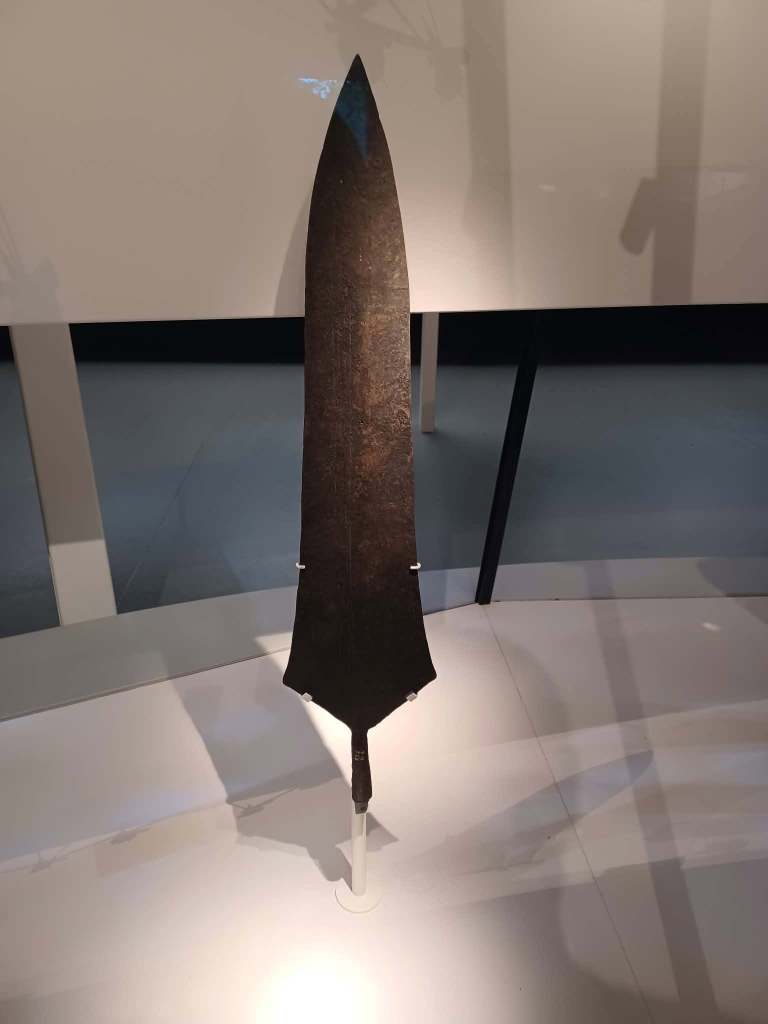
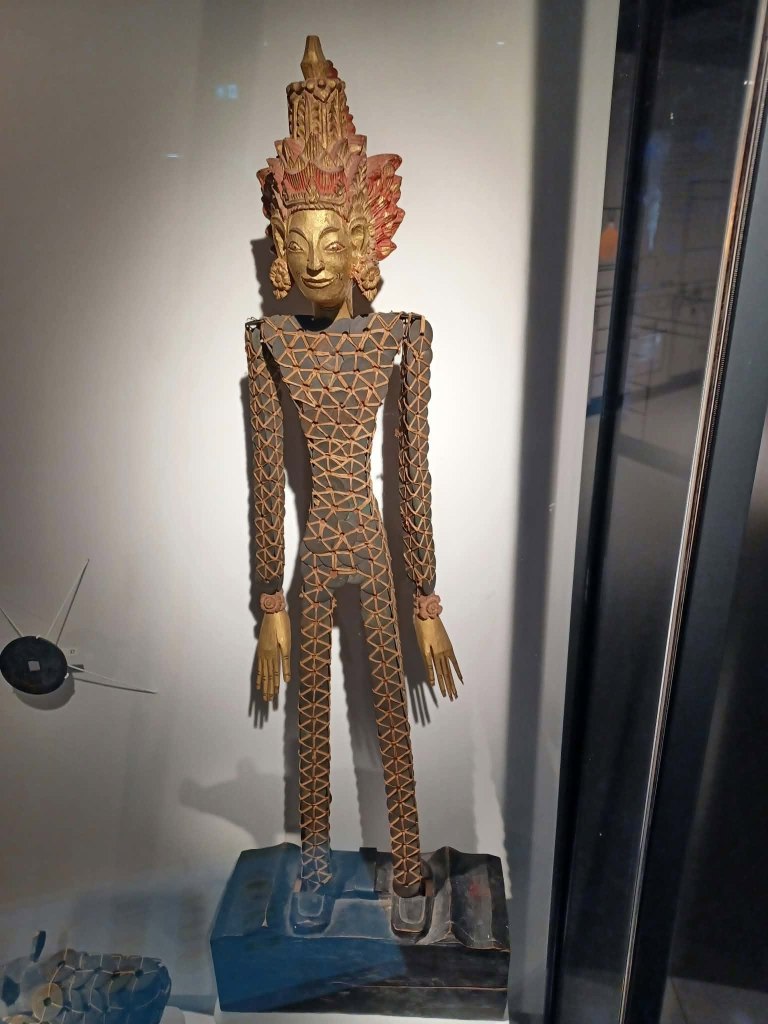
Amongst the exhibits on display there were some of the old favourites like Swedish plate coins, Chinese knife and spade coins, and shell necklaces from the Indian Ocean, however there was a few items which I have not seen before which interested me.
The one which stood out the most was the iron spear blade from the Democratic Republic of the Congo (Picture included in the slideshow above). Dating from around the turn of the 20th century, these blades were used by the Topoke tribe to show power and status within their community. Essentially the more spear blades you owned the more prestige you had. They were used as a form of currency rather than combat. They were used from anything to paying for goods at a market, dowries for brides, to even ransom of prisoners of war and the purchase of slaves.
The museum overall was very much like the Geldmuseum in Germany, but on a much smaller scale. Covering many of the same topics, the National Bank of the Netherlands keeps more of the Dutch attitude for brevity. Unlike the Geldmuseum which goes into impressive detail about the topic it is describing to ensure nothing is left out, the National Bank of the Netherlands is much more succinct in it’s telling, which I feel has led to the museum itself looking a bit sparse.
Despite only having such a small space for the museum itself, it still felt rather empty, and the exhibit in the old vault in the second sub-basement in the old gold vault felt…..pointless. The vault itself is a very large room, and it invites visitors to a small video presentation about gold itself. That’s it. So much wasted space. I feel further exhibits could have been placed here, maybe expanding on some of the topics shown on the floor above.
Now, I did enjoy my visit to the museum, and the interactive exhibits were definitely fun to play with. Some of the games actually had me thinking fast on my feet to win. It is certainly worth a small detour to visit if you are ever in Amsterdam and wish to while away an hour or so, but I feel there is so much more potential for the museum to improve and grow.

