So it has been a while since I last posted an update here.
My collection in the last few years has certainly been growing, and I think it is about time I start posting updates again.
This month is a Roman coin from one of Roman Empire’s more … divisive emperors. Even though he is often forgotten. Ruling the empire from 218-222 AD, although short, it was an interesting reign. This update, I will be breifly talking about the Roman Emperor Elegabalus.
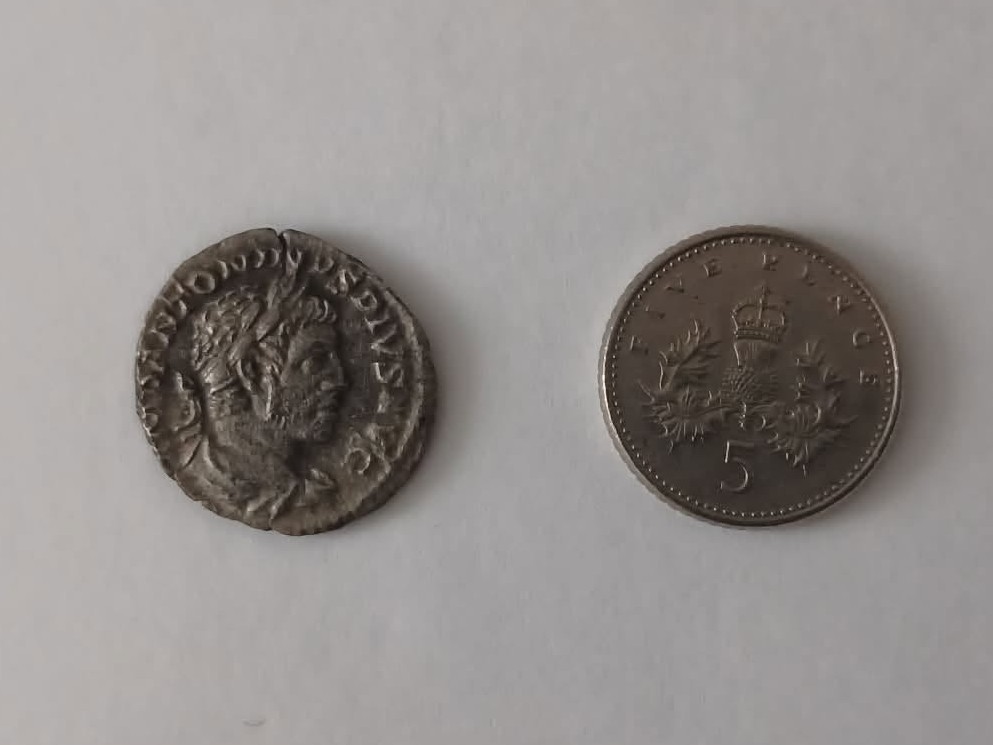
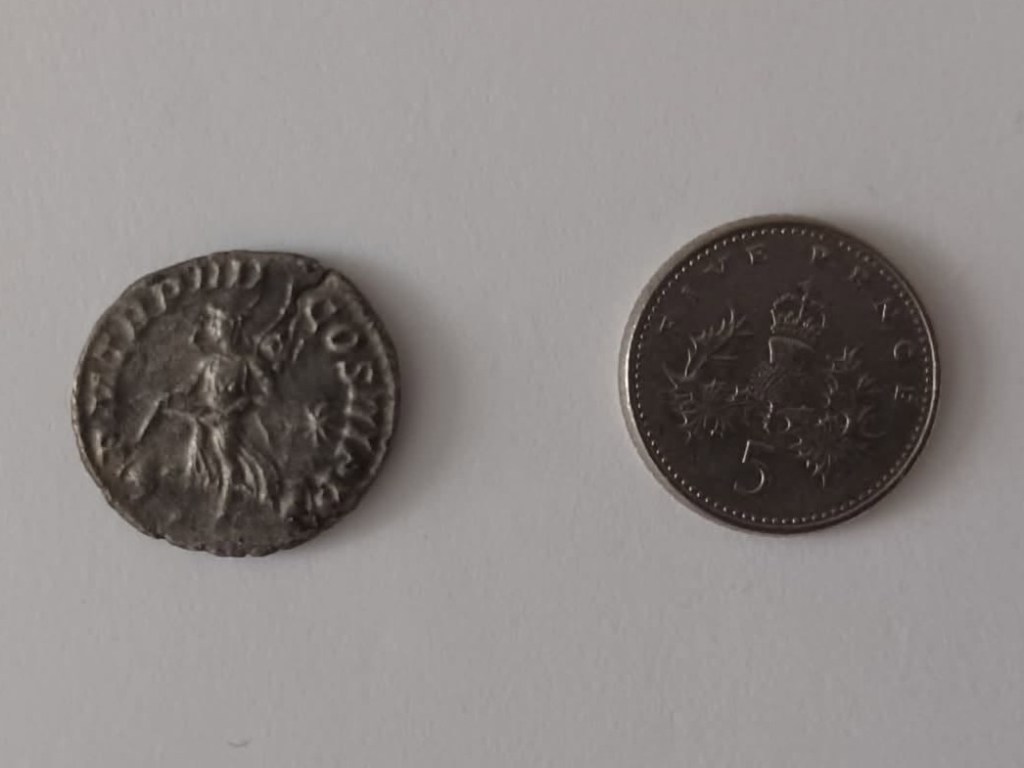
The coin this month is a silver denarius showing a profile of Elagabalus on the obverse, and a depiction of Victory on the reverse.
A lot of our information about Elagabalus comes from contemporary accounts from the Roman senator Cassio Dio, who quite frankly, was very hostile towards him. This has lead to historical views of Elagabalus to be quote biased against him. The venerable Edward Gibbon set the trend in his seminal work The History of the Decline and Fall of the Roman Empire by cementing the scandalous reputation of the Emperor and his reign.
Elagabalus was originally the head priest of a sun god cult in Emesa (nowadays Homs in Syria), at the age of 14, a revolt by the army against the emperor Macrinus instigated by his grandmother thrust him to the imperial throne.
During his reign he showed much disregard to many of the religious beliefs in Rome at the time, instead importing the cult he was the head of to the city with him from Syria. Still being the head priest, he forced many of the more prominent members of the Roman government to participate in the religious rites celebrating his deity.
According to the accounts of Cassius Dio, he married four women, including a Vestal Virgin, in addition to lavishing favours on male courtiers they suggested to have been his lovers, and prostituted himself. His behaviour estranged the Praetorian Guard, the Senate, and the common people alike. Amidst growing opposition, at just 18 years of age he was assassinated and replaced by his cousin Severus Alexander in March 222.
Modern historians are beginning to question the unfavourable reputation. Some have questioned the accuracy of Roman accounts of his reign, with suggestions that the reports of his salacious behaviour and sexual excess likely reflected a desire to politically discredit him in the immediate aftermath of his death, as well as reflecting Roman stereotypes regarding people from the Orient as effeminate.
Historian Warwick Ball paints Elagabalus as a child forced to become emperor who, as expected of the high-priest of a cult, continued his rituals even after becoming emperor. Ball asserts Elagabalus’s lasting influence in the sense that his deity would be welcomed by Rome in its Sol Invictus form 50 years later. Ball claims that Sol Invictus came to influence the monotheist Christian beliefs of Constantine, asserting that this influence remains in Christianity to this day.

