Treasure of the Low Countries

From the last couple of posts it is quite clear I have had a recent trip to the Low Countries, specifically the Netherlands and Luxembourg. It is of course, during this trip I added some more coins to my collection and this post is to have a brief discussion about the newest additions.

The first pair of coins I bought during my trip were two Gulden coins from the Netherlands roughly 100 years apart in age.
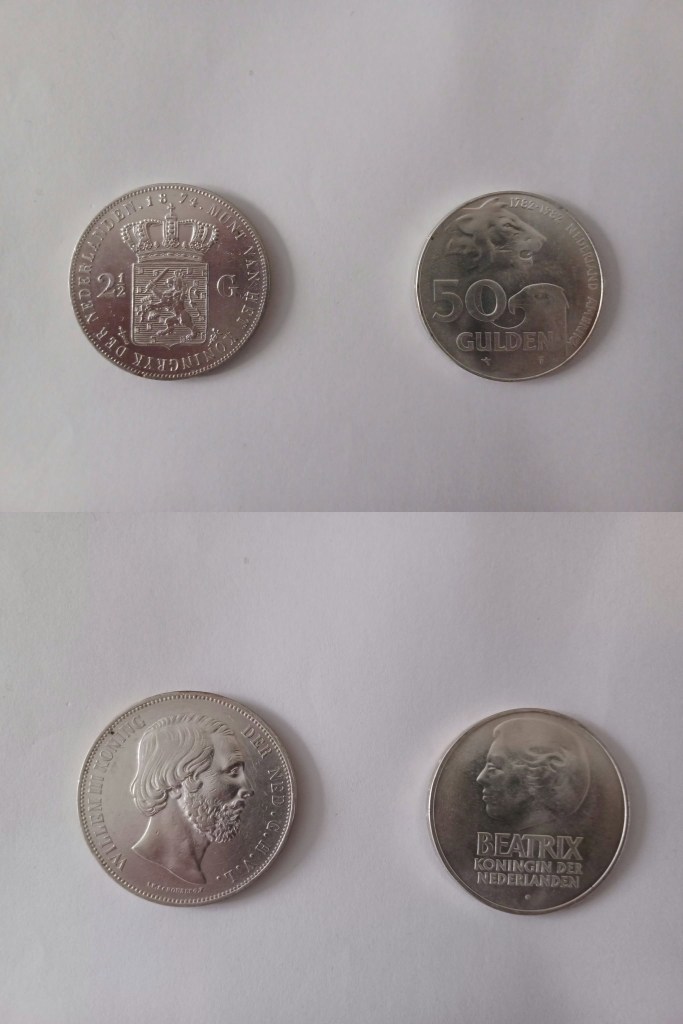
The first coin is a 2 1/2 Gulden from 1874 issued during the reign of William III. A king who presided over the Luxembourg Crisis in 1867 which led to the second Treaty of London guaranteeing the independence of Luxembourg as a country. He was a king well known for his scandals (which are equalled by those of the UK’s own Edward VII) and political chaos of his reign. He would die at the Het Loo palace in Apeldoorn in 1890.
The second coin is a 50 Gulden coin from 1982 commemorating the 200th anniversary of Dutch-American friendship after the USA gained independence from the UK.
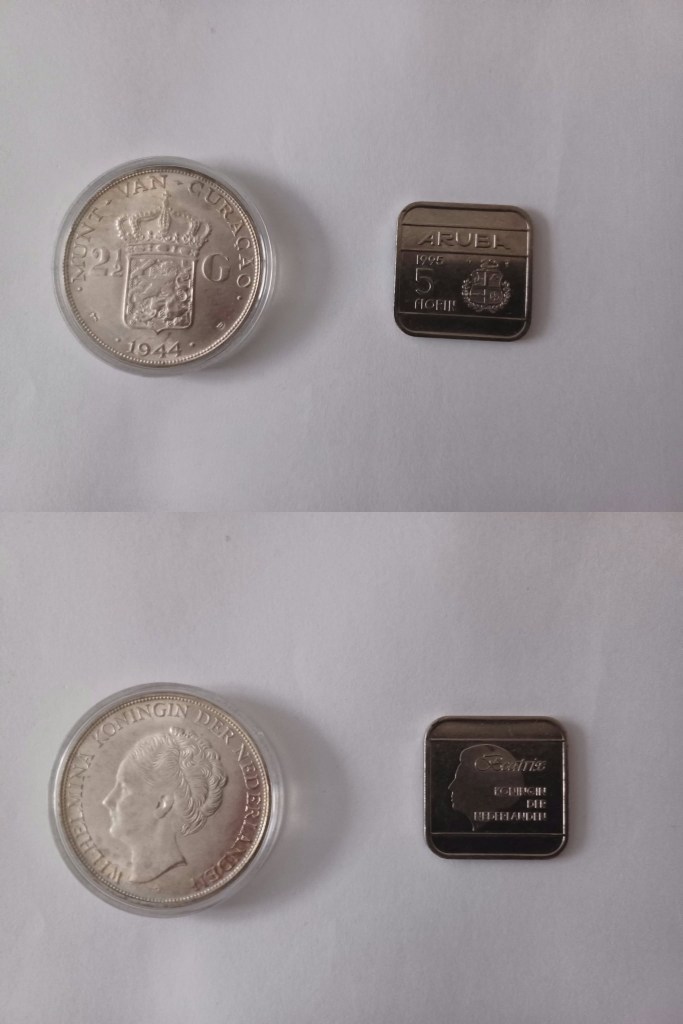
The next pair of coins are from two Dutch colonies, that from Curaçao and Aruba. Both colonies are islands in the Caribbean not far from the coat of Venezuela. Both islands were colonised originally by the Spanish, but after the Eighty Years War they were taken over by the Dutch, primarily by the Dutch West Indian Company (The Dutch East India Company’s less famous brother).
Due to their location within the Caribbean the islands, particularly Curaçao, became centres of the Dutch Atlantic slave trade. Both islands were used for growing cash crops, and would become the staging point for the Dutch to eventually expand their colonial ambitions to the mainland in South America leading to the colonisation of Suriname.
It wouldn’t be until 1863 that the Dutch would abolish slavery, and although free, many of the now emancipated slaves would have few places to go. Some would emigrate to other islands in the Caribbean such as Cuba, or to the Netherlands itself, whilst many would continue working on the farms they were slaves on but this time leasing the land from their former masters.
For Aruba, there was significant efforts made to obtain independence in the 1980’s with an agreement being made in 1983 to start a slow step process. However the main advocate of the deal in Aruba, Betico Croes, would suffer a severe car accident and would later die in 1986. This coupled with the economic downturn experienced on the islands in the mid to late 80’s it was thus agreed in 1990, and then put into practice in 1995, that independence for Aruba would be postponed until a successful referendum result could be obtained.
Curaçao meanwhile would seek independence at the same time as Aruba, but would experience further economic hardships throughout the 80’s and 90’s due to the volatility of the oil market at the time. With the main Shell refinery on the island being the cause of many economic and legal disputes. In 2007 it was voted that Curaçao would become an independent country within the Kingdom of the Netherlands with a majority of voters supporting the move in a referendum in 2009.
In 2010, Curaçao gained that independence with the Netherlands being only responsible for the island’s defence and foreign policy.
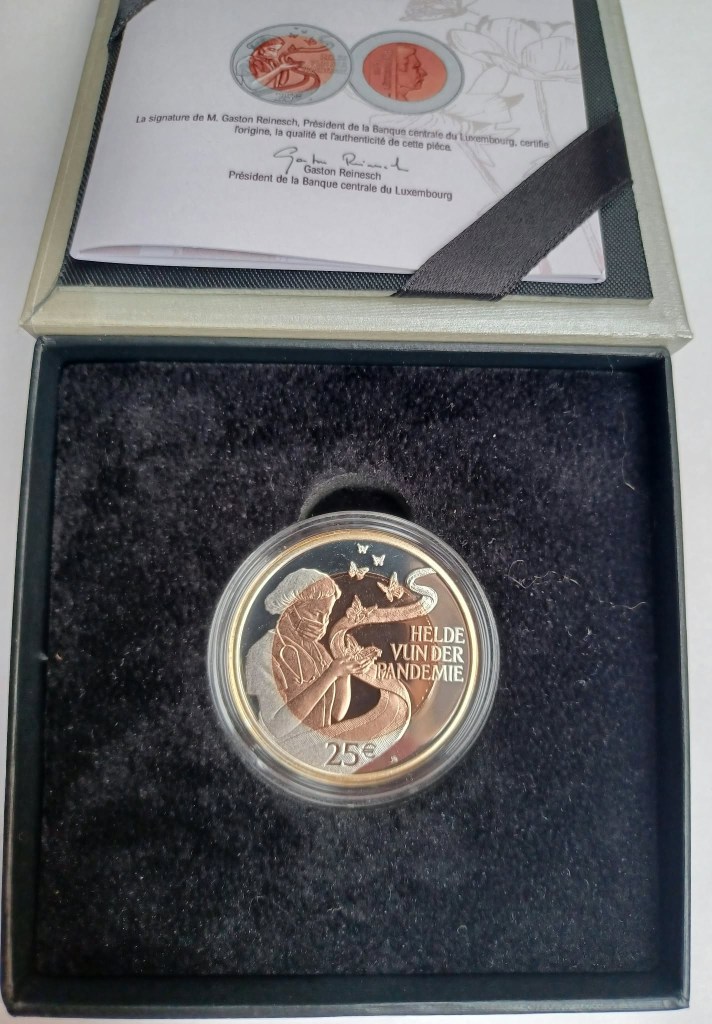
Finally, the last coin which was added to my collection was a 25 euro commemorative coin from Luxembourg which is part of a series remembering the heroes of the global pandemic which raged from 2019-2021. This particular coin of the series commemorates the doctors, nurses, and other health workers.

National Bank of the Netherlands Museum

This week I am in the Netherlands enjoying a nice break from my soggy island exploring the country and visiting some long time friends.

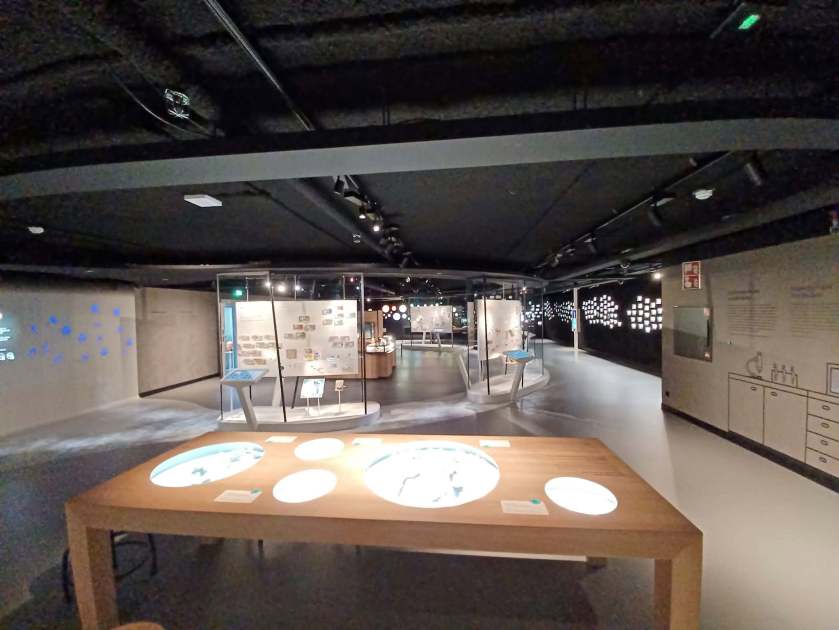
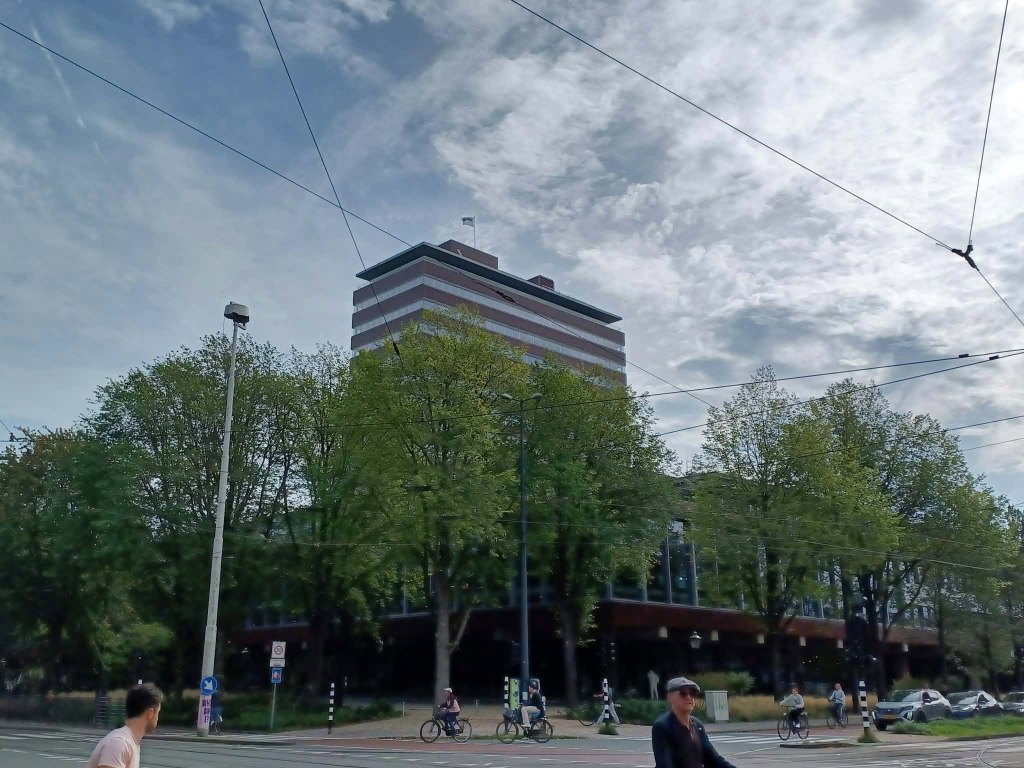
During this visit I had a chance today to visit the National Bank of the Netherlands museum. A small museum found in the southern outskirts of Amsterdam.

Whilst the bank itself is a large, but not a particularly attractive looking building, the museum only takes up a small part of the building in the basement areas. Free to enter, you are immediately greeted by friendly staff who guide you on where to access the exhibits, away from the more important and sensitive areas of the bank.
The museum is split over two floors, with the first sub-basement floor having exhibits in two of the old minor bank vaults. The second sub-basement floor is the old bank vault which housed the Netherlands’ gold supply until it was moved to a new location elsewhere within the country.

The two exhibits on the first sub-basement floor is split into two sections. The first explains economic theory and how banks handle the economy and deal with any potential crises which may arise. Much like the Geldmuseum in Frankfurt it is a very dry section of the museum, and although there is interactive games which can be played, it is probably geared more towards the educational side for schools than anything else.
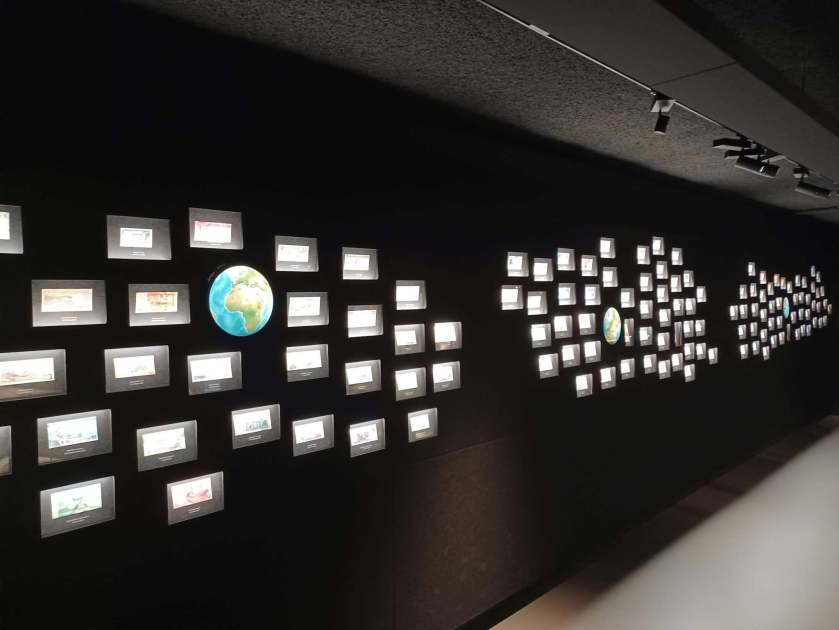
The second exhibit looks at money itself from it’s earliest origins to the present day, and how money has been used for a variety of reasons. It also explores different forms money has taken place, and the potential reasons why these items came about.
Finally, this second section also looks at the formation of the Dutch bank, and the currency used within the Netherlands since it’s creation as a country in the 17th century. Many of the exhibits which, have wonderful explanations of the artefacts on show to effectively explain the points being made.

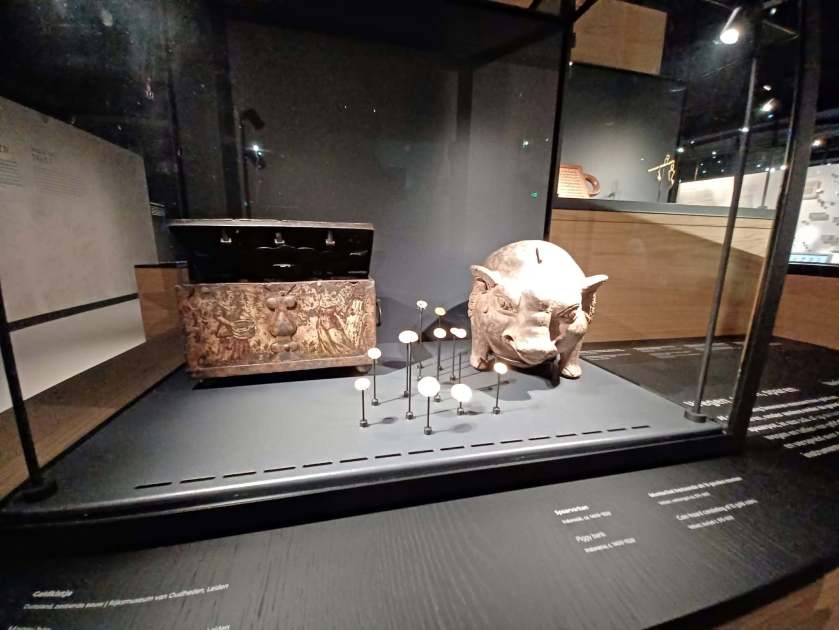
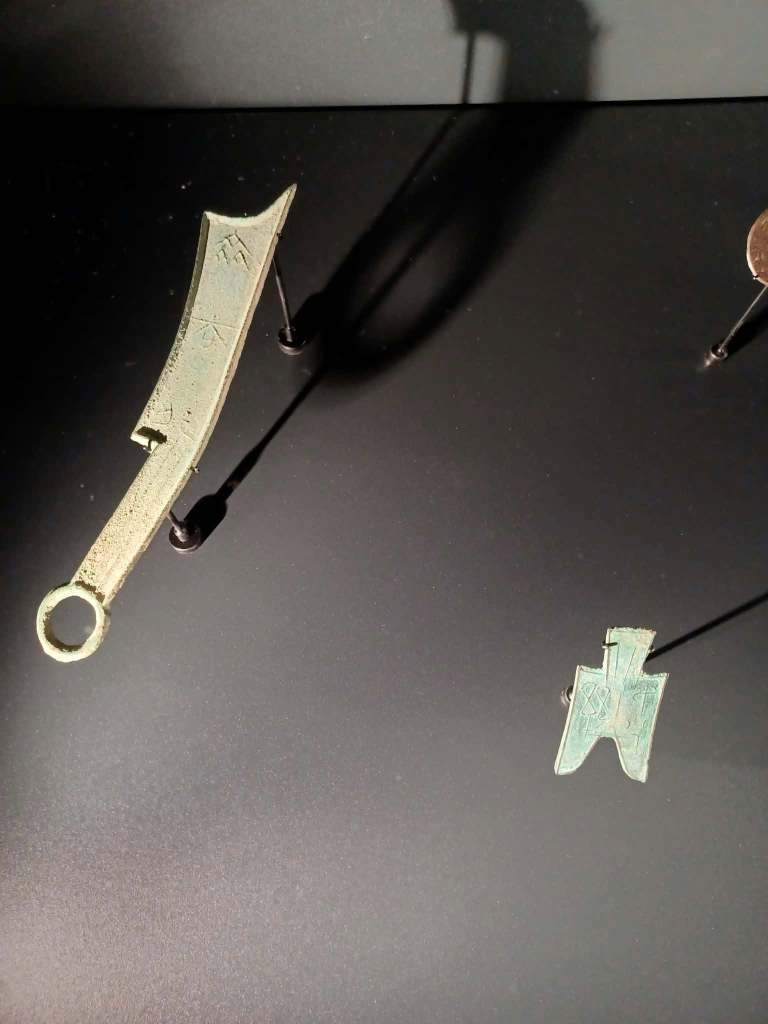
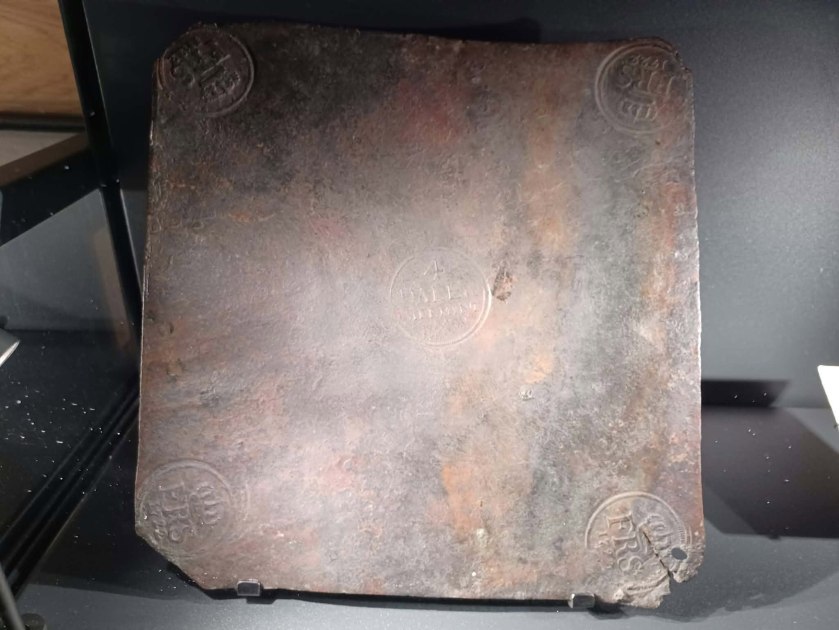
Amongst the exhibits on display there were some of the old favourites like Swedish plate coins, Chinese knife and spade coins, and shell necklaces from the Indian Ocean, however there was a few items which I have not seen before which interested me.
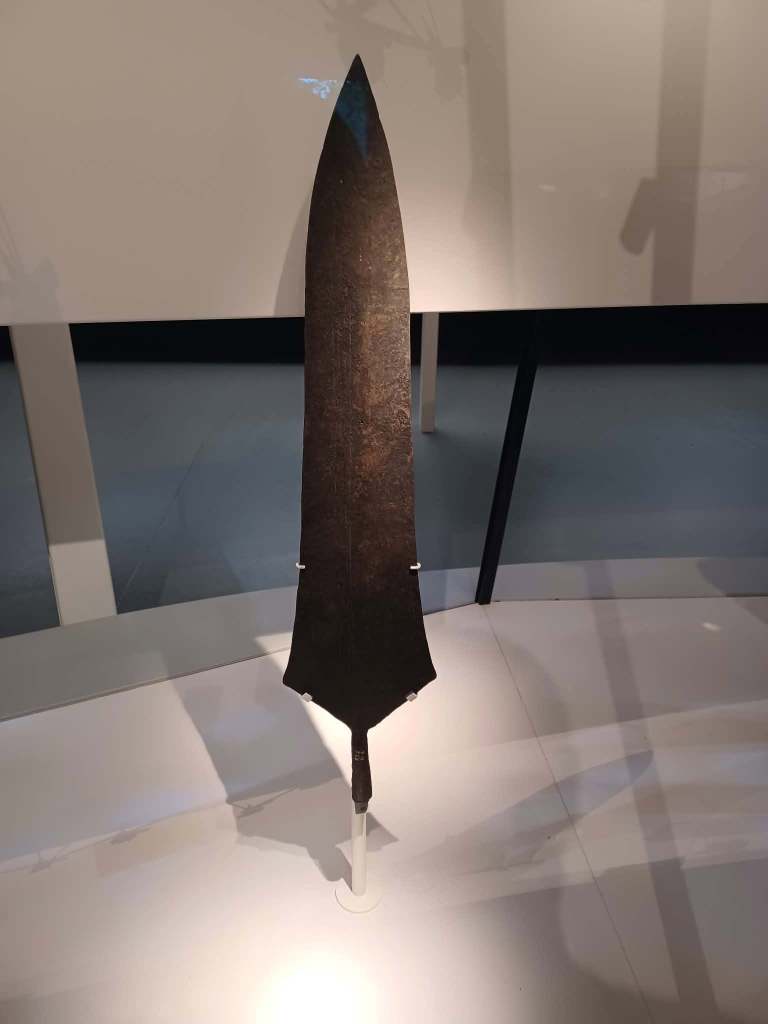
The one which stood out the most was the iron spear blade from the Democratic Republic of the Congo (Picture included in the slideshow above). Dating from around the turn of the 20th century, these blades were used by the Topoke tribe to show power and status within their community. Essentially the more spear blades you owned the more prestige you had. They were used as a form of currency rather than combat. They were used from anything to paying for goods at a market, dowries for brides, to even ransom of prisoners of war and the purchase of slaves.

The museum overall was very much like the Geldmuseum in Germany, but on a much smaller scale. Covering many of the same topics, the National Bank of the Netherlands keeps more of the Dutch attitude for brevity. Unlike the Geldmuseum which goes into impressive detail about the topic it is describing to ensure nothing is left out, the National Bank of the Netherlands is much more succinct in it’s telling, which I feel has led to the museum itself looking a bit sparse.
Despite only having such a small space for the museum itself, it still felt rather empty, and the exhibit in the old vault in the second sub-basement in the old gold vault felt…..pointless. The vault itself is a very large room, and it invites visitors to a small video presentation about gold itself. That’s it. So much wasted space. I feel further exhibits could have been placed here, maybe expanding on some of the topics shown on the floor above.

Now, I did enjoy my visit to the museum, and the interactive exhibits were definitely fun to play with. Some of the games actually had me thinking fast on my feet to win. It is certainly worth a small detour to visit if you are ever in Amsterdam and wish to while away an hour or so, but I feel there is so much more potential for the museum to improve and grow.

Collection Update Jun ’18

SDC12745

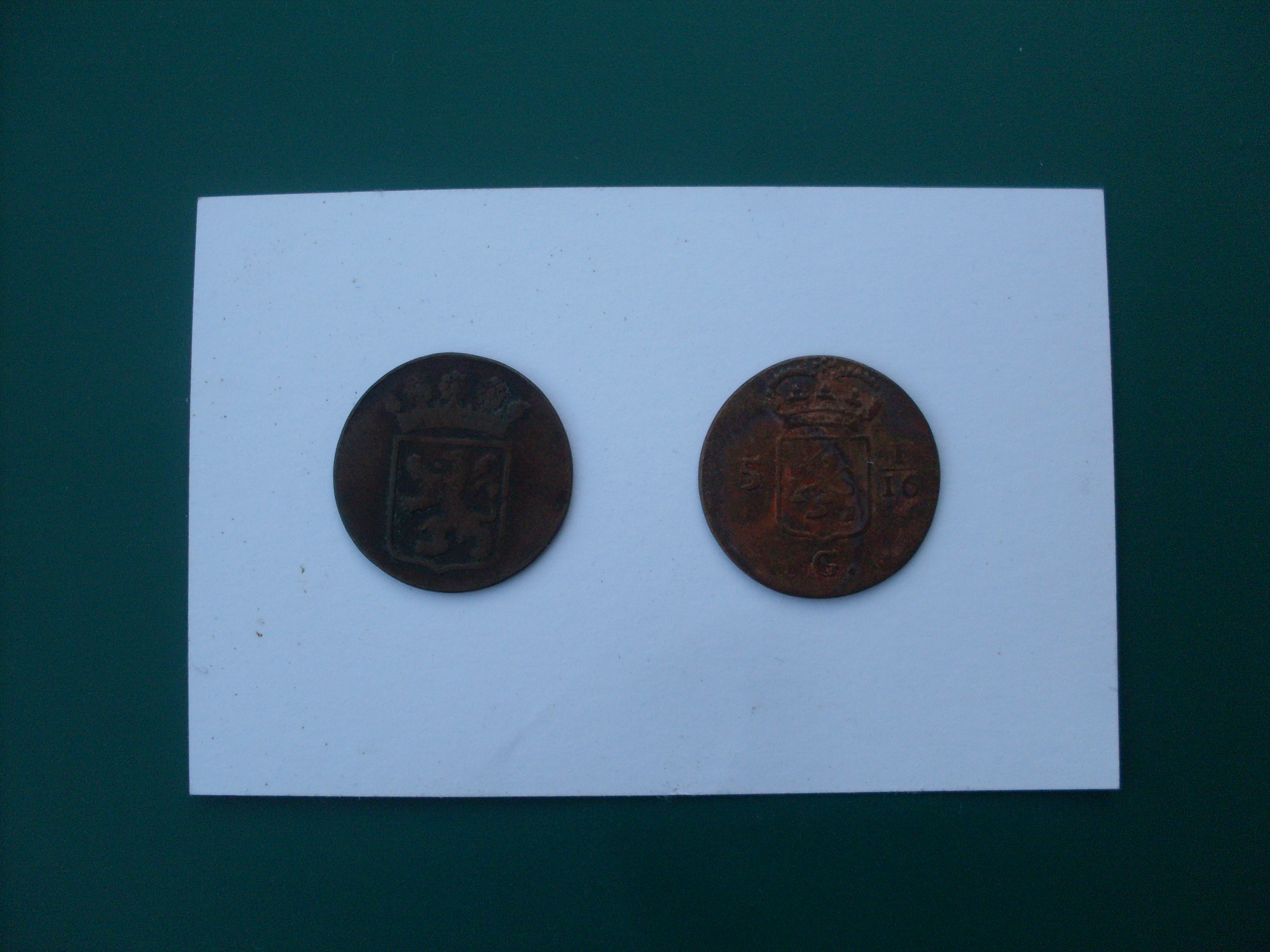
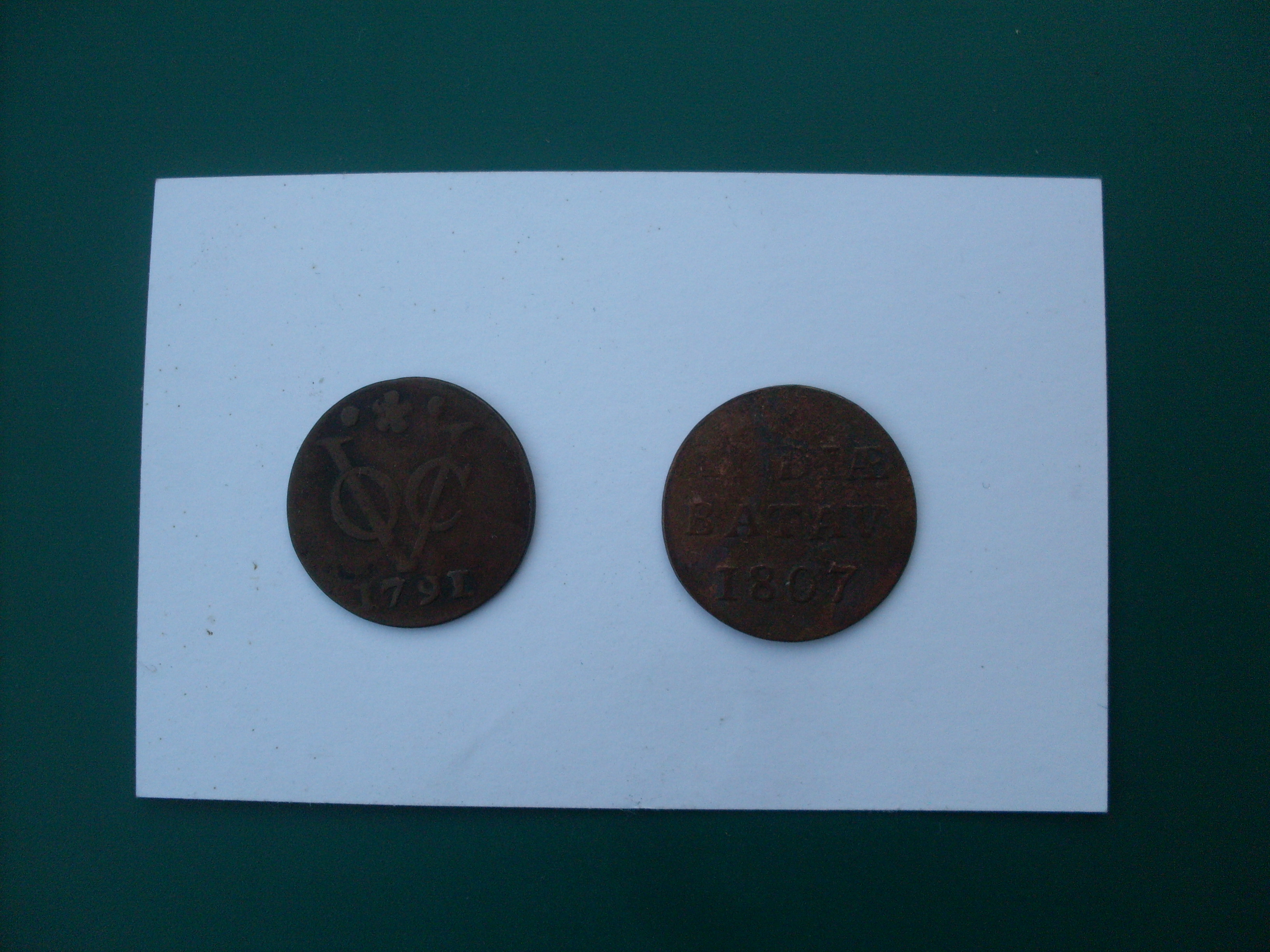
This month I have acquired two coins from the Dutch East Indies, what is now known as Indonesia.  Both coins are relatively small, about the same size as a 10c euro piece, or a British 20p coin.  Both are relatively well worn, and thus are thin, about 1mm in thickness.  Both are valued at 1 duit, with 160 duits equalling 1 gulden.

The coins themselves date from the late 18th and early 19th centuries.  The one on the left being struck and issued by the Dutch East India Company (VoC), as seen by the companies logo on the reverse side (The logo was used in an attempt to stop smuggling in it’s Indonesian colony).  The VoC, first founded in 1602, functioned along the same lines as it’s British contemporary working to capitalise on trade in India and the Far East.  The VoC was influential in the early modern period as it pioneered the rise of corporate-led globalisation.  It became the first corporation to be listed on a formal stock exchange, and at it’s peak was the most valuable corporation ever.

The coin was struck in 1791 close to the end of the VoC’s existence as 7 years prior it had taken part in the financially disastrous Fourth Anglo-Dutch war (1780-84).  Which would eventually cause for it to be part nationalised 5 years later in 1796, and eventually completely nationalised by 1799.

SDC12746

After it was nationalised all VoC territories were taken over by the Dutch government, and all it’s assets seized.  This can be seen in the following coin on the right which was issued for the region in 1807.  The Latinised form of the name Batavia is the colonial name of what is now central Jakarta.  Indonesia declared it’s independence from colonial rule after the Japanese surrender in WWII.  However, the Dutch government refused to relinquish control and an armed and diplomatic struggle broke out.  This would last until December 1949, when the Dutch finally recognised Indonesian independence due to international pressure.  The last part of Dutch owned territory in the area would not be gained by Indonesia until 1962 when the province of Netherlands New Guinea was handed over to them following the New York Agreement.